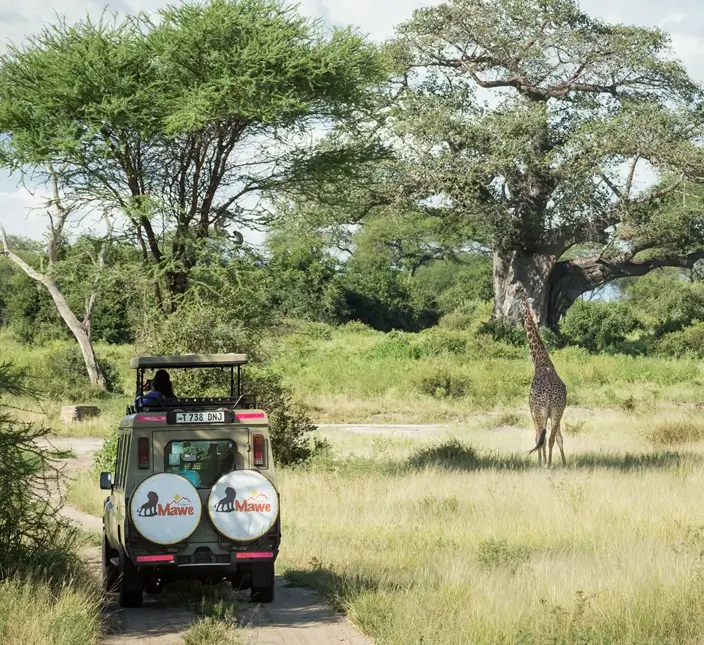
Photographic Safari in Tanzania
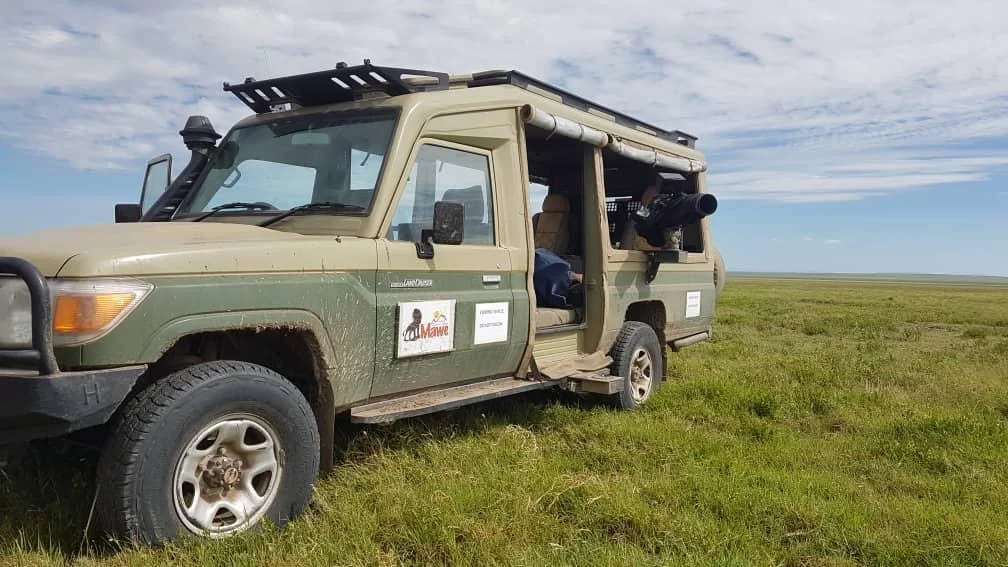
What Makes a Photographic Safari Different?
Golden Hour Starts at Your Doorstep
Where to Photograph in Tanzania

Serengeti
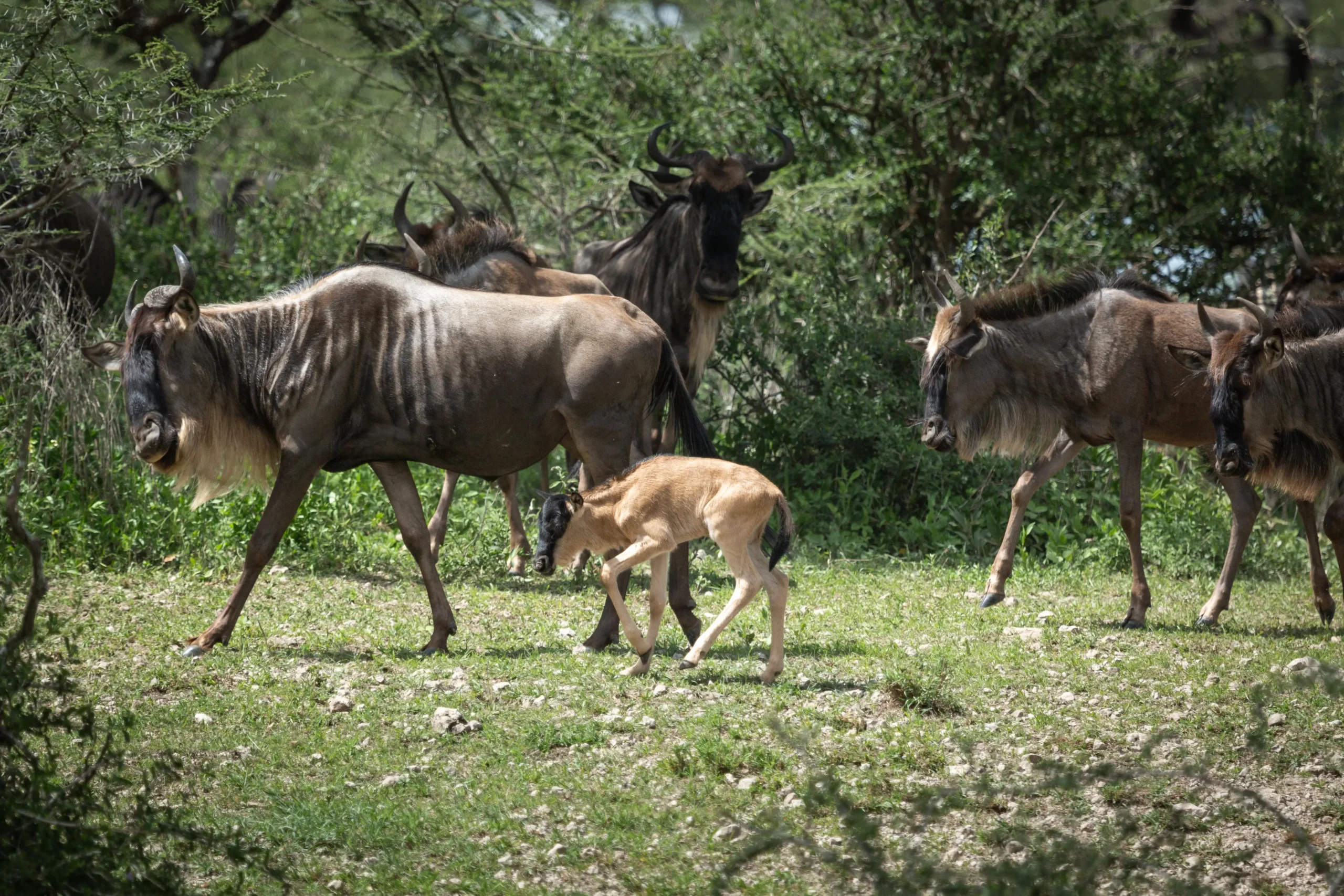
Ndutu
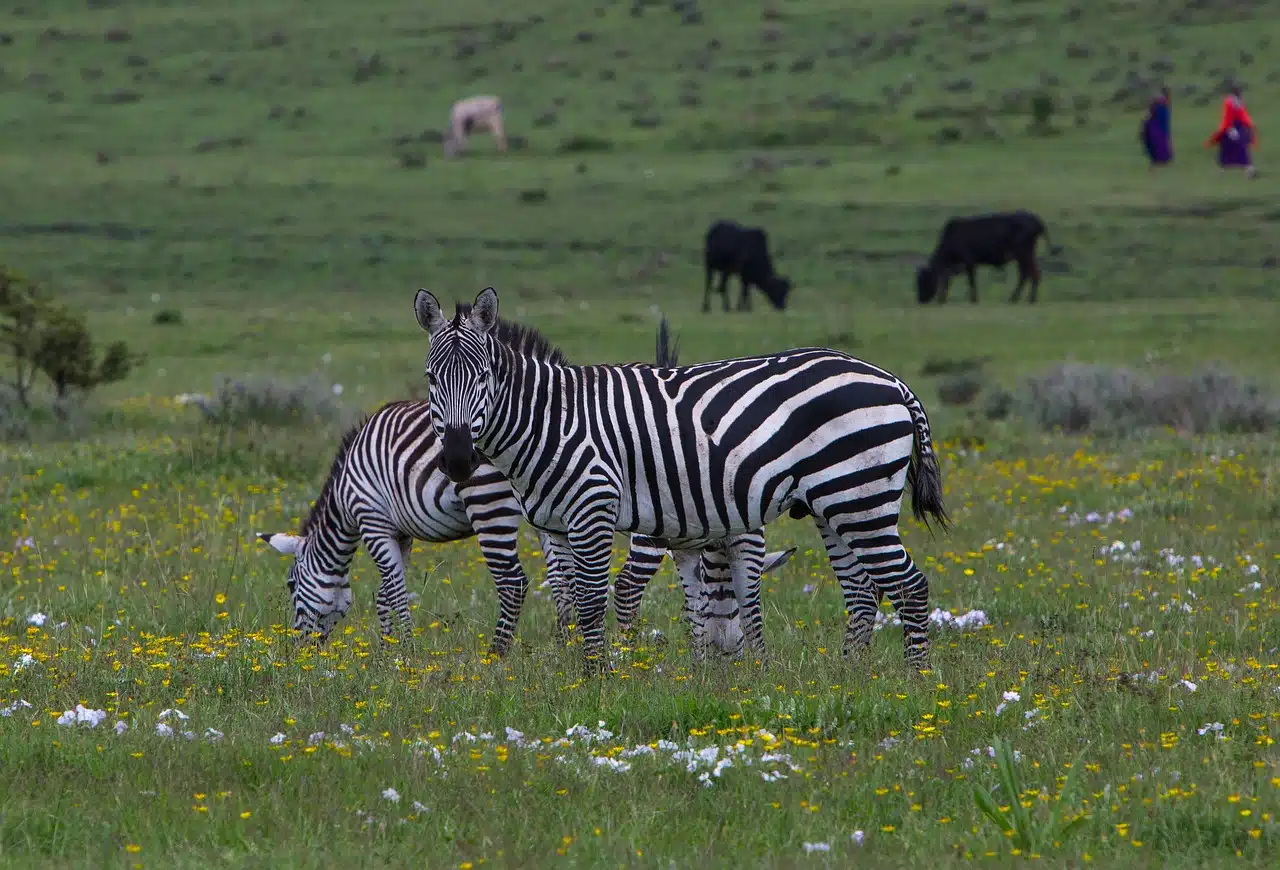
Ngorongoro Crater
Tarangire
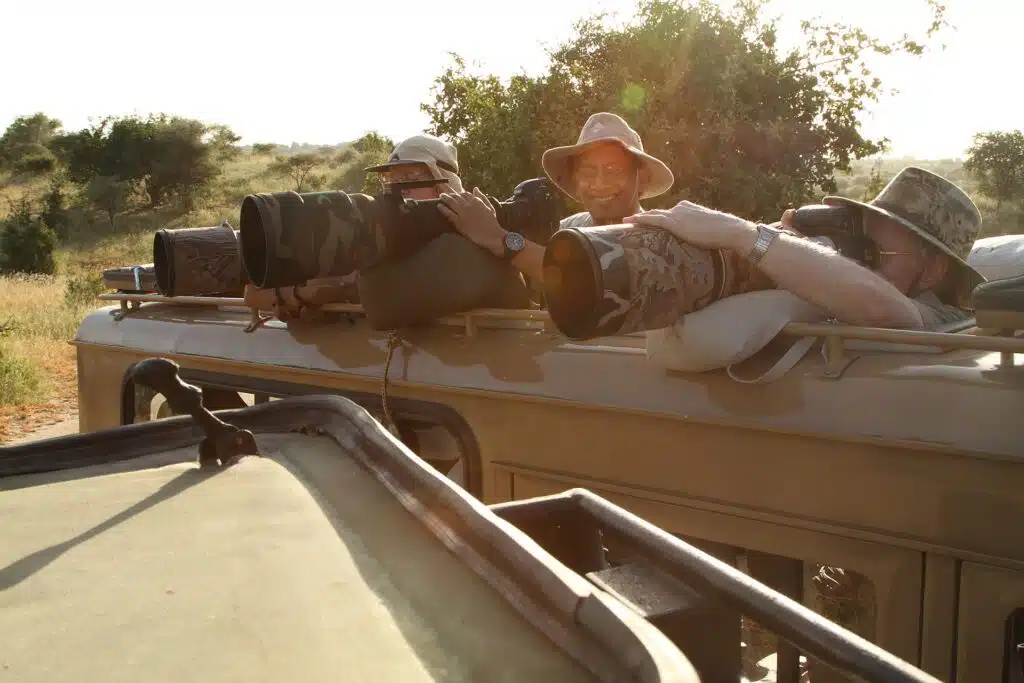
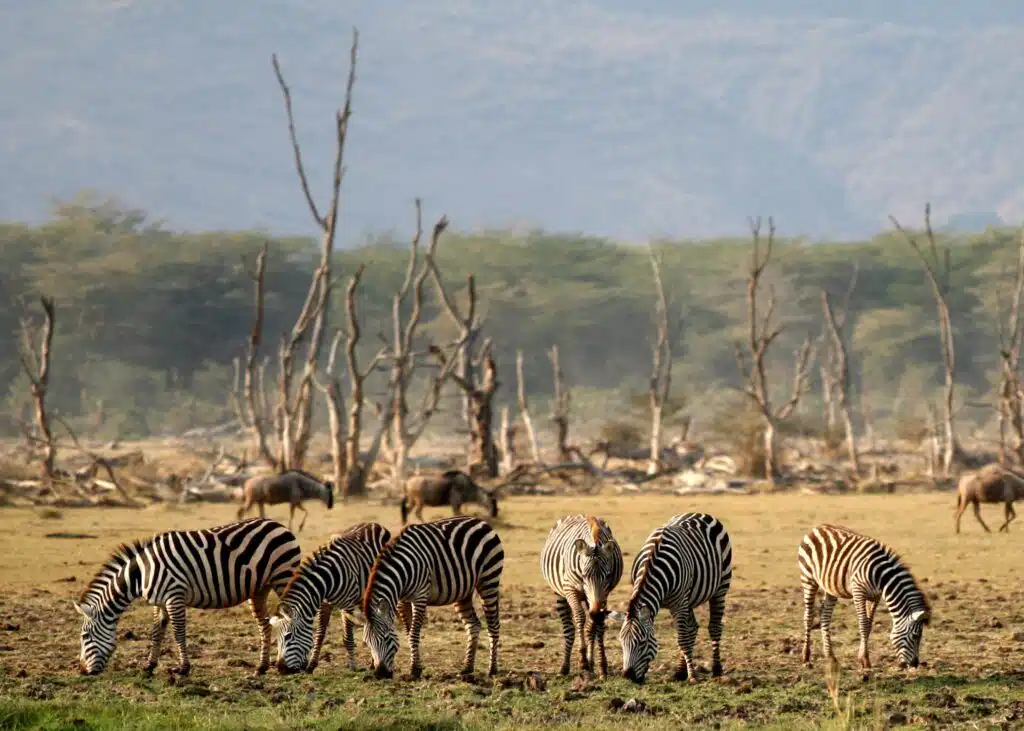
Lake Manyara and Lake Eyasi
Beyond the Vehicle: Night and Aerial Photography
Second, a sunrise balloon flight turns the landscape into graphics. Herds become patterns, rivers become lines, and shadows stretch across the plains. Bring a fast shutter and a strap for everything.
Best Time for a Photographic Safari in Tanzania
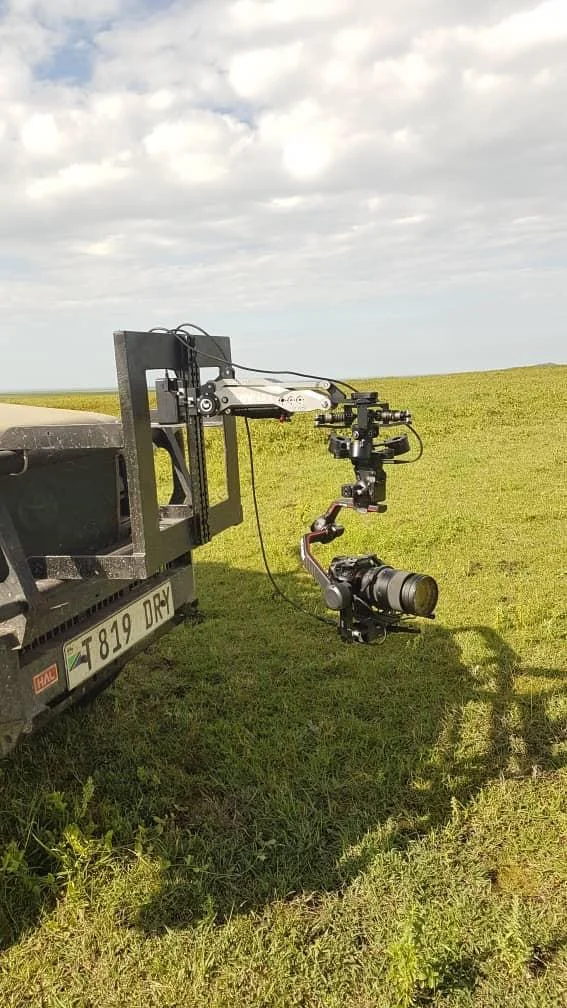
Vehicles and Setup for Photographers
What Camera Gear to Bring
- ›A telephoto lens of 200mm or longer for wildlife
- ›A second body or wide lens for landscapes, so you never swap in the dust
- ›Spare batteries and plenty of memory cards
- ›A beanbag or window support for stable long-lens shots
- ›A cleaning kit, since dry-season dust finds everything
- ›A dry bag or rain cover for the green season
For Professional Crews: Filming in Tanzania
Why Shoot with Mawe Lodges
Guest review, Tripadvisor
Frequently Asked Questions
What is a photographic safari?
+
A photographic safari in Tanzania is a safari planned around image-making rather than sightseeing. Guides position vehicles for light and angle, stay longer at sightings and time drives around golden hour. It suits everyone from phone photographers to working professionals.
How is a photographic safari different from a normal safari?
+
The difference is patience and positioning. A photo safari waits at sightings for behavior, moves the vehicle for the light and skips the checklist mentality. Private vehicles give photographers full control of the schedule.
When is the best time for a photographic safari in Tanzania?
+
June to October offers dry-season action and river crossings in the north. January and February bring the calving season at Ndutu. April and May reward photographers with dramatic skies and empty sightings.
Where is the best place to photograph the Great Migration?
+
It depends on the month. From late December to mid March, shoot the calving at Ndutu near our Gnu Ndutu Camp. From July to October, the Mara River crossings unfold near Gnu Mara River Camp.
Can I photograph at night in Tanzania?
+
Yes, on our night game drives in Tarangire National Park. Spotlights reveal leopards, genets and other nocturnal species, and the dark skies suit astrophotography. Night drives require an overnight stay inside the park at Baobab Tented Camp.
What camera gear should I bring on safari?
+
Bring a telephoto lens of 200mm or more, a second body, spare batteries and a beanbag. Add a cleaning kit for dust and a rain cover for the green season. Charge everything at camp each night.
Do I need a permit to film in Tanzania?
+
Yes. Professional crews need a Tanzania Film Board permit, plus TANAPA or NCAA permissions inside the parks. General permits cost roughly 1,000 to 3,000 US dollars, and approval takes two to four weeks. We handle the process for our production clients.
Are drones allowed in Tanzania?
+
Only with a permit from the Tanzania Civil Aviation Authority, and park authorities add their own rules. Equipment must be declared at customs with serial numbers. Recreational drone use in the national parks is not permitted.
Can beginners join a photographic safari?
+
Absolutely. A photographic safari in Tanzania teaches beginners faster than any course. Our guides help with positioning and timing, and your images improve by the second day.
Tanzania · Northern Circuit
Book your stay with Mawe Lodges
Our own lodges and camps, our own guides, our own 4×4 vehicles. One team from arrival to departure.
-
12+
years operating -
Own
lodges & camps -
Own
guides & 4×4 vehicles