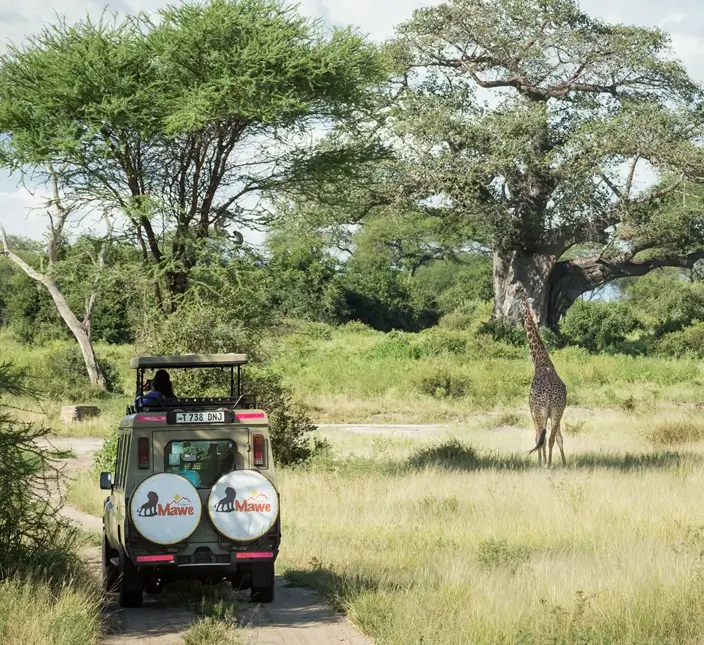
Lake Manyara National Park Safari
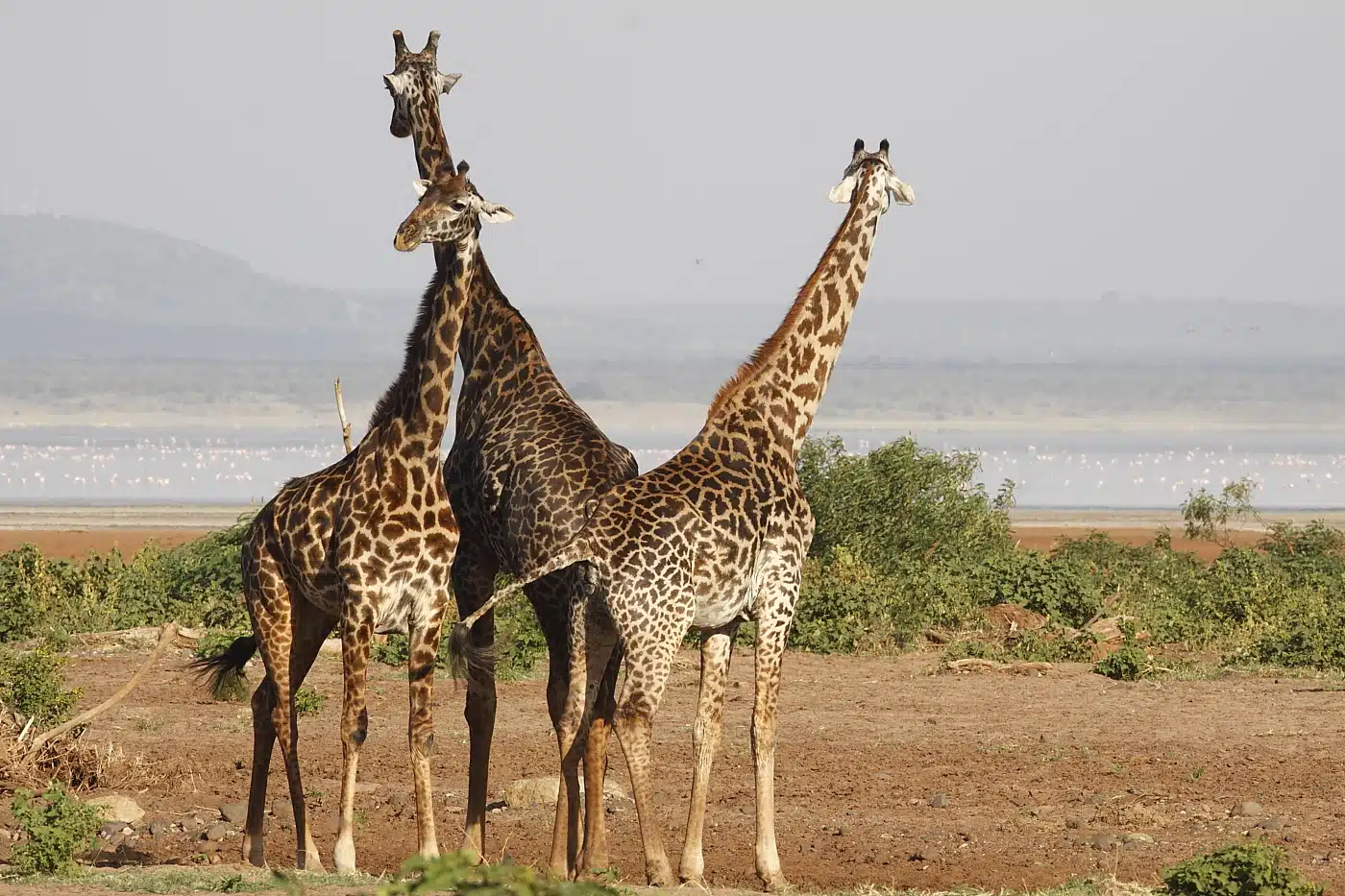
Why Visit Lake Manyara National Park
Wildlife in Lake Manyara
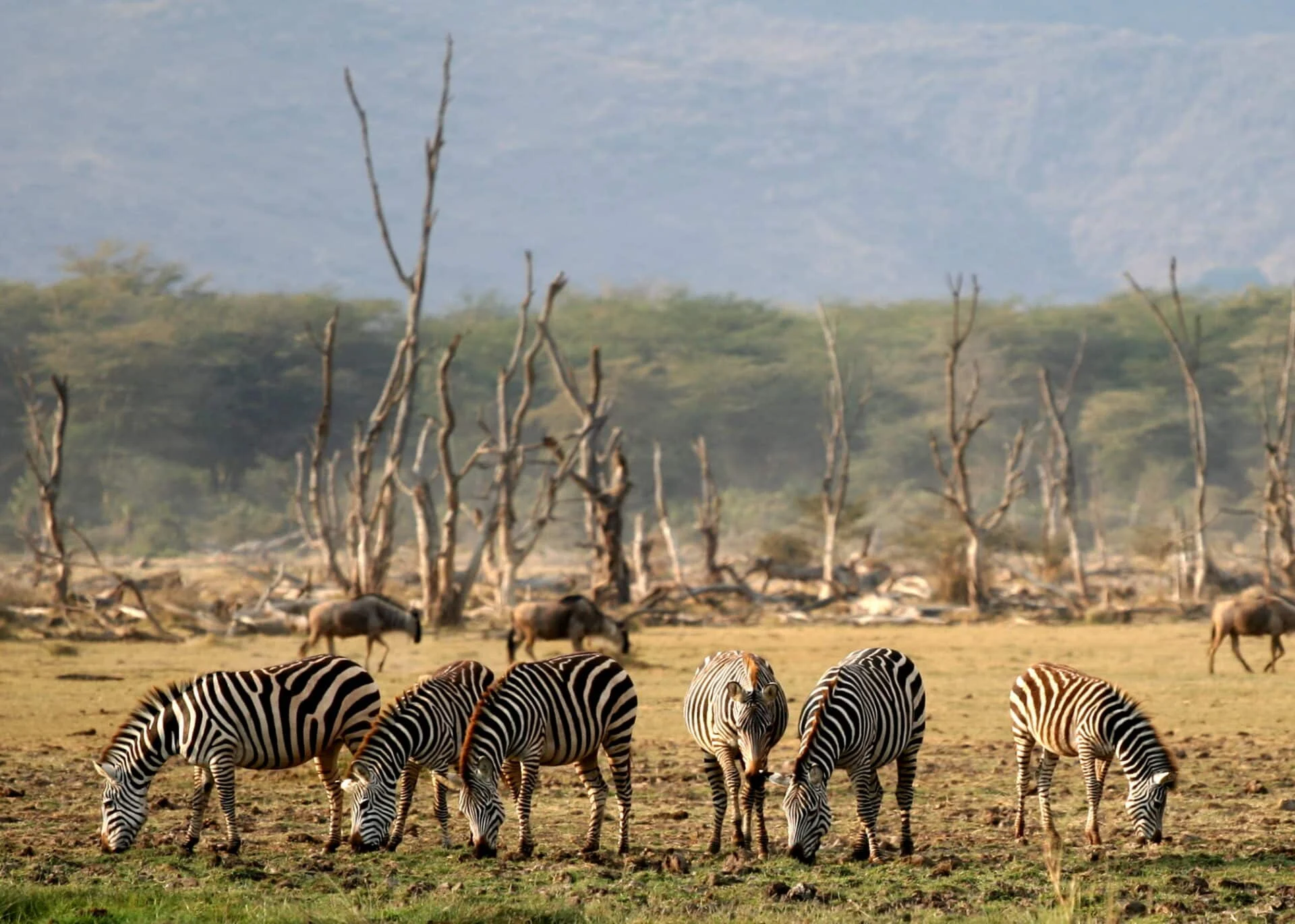
What to See and Do on Lake Manyara National Park Safari
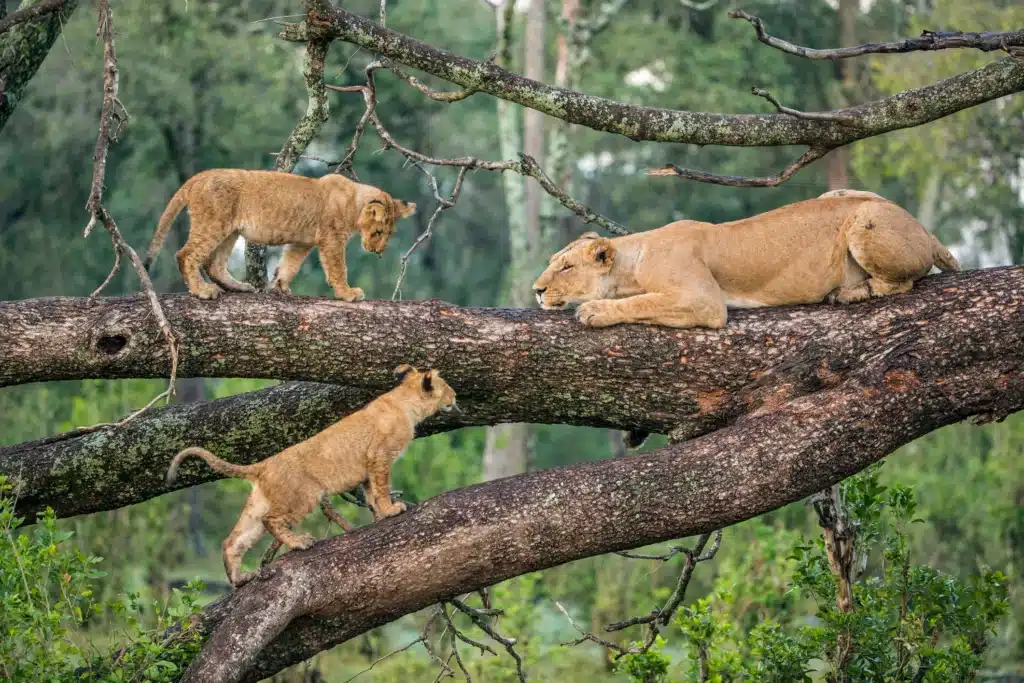
Tree-Climbing Lions
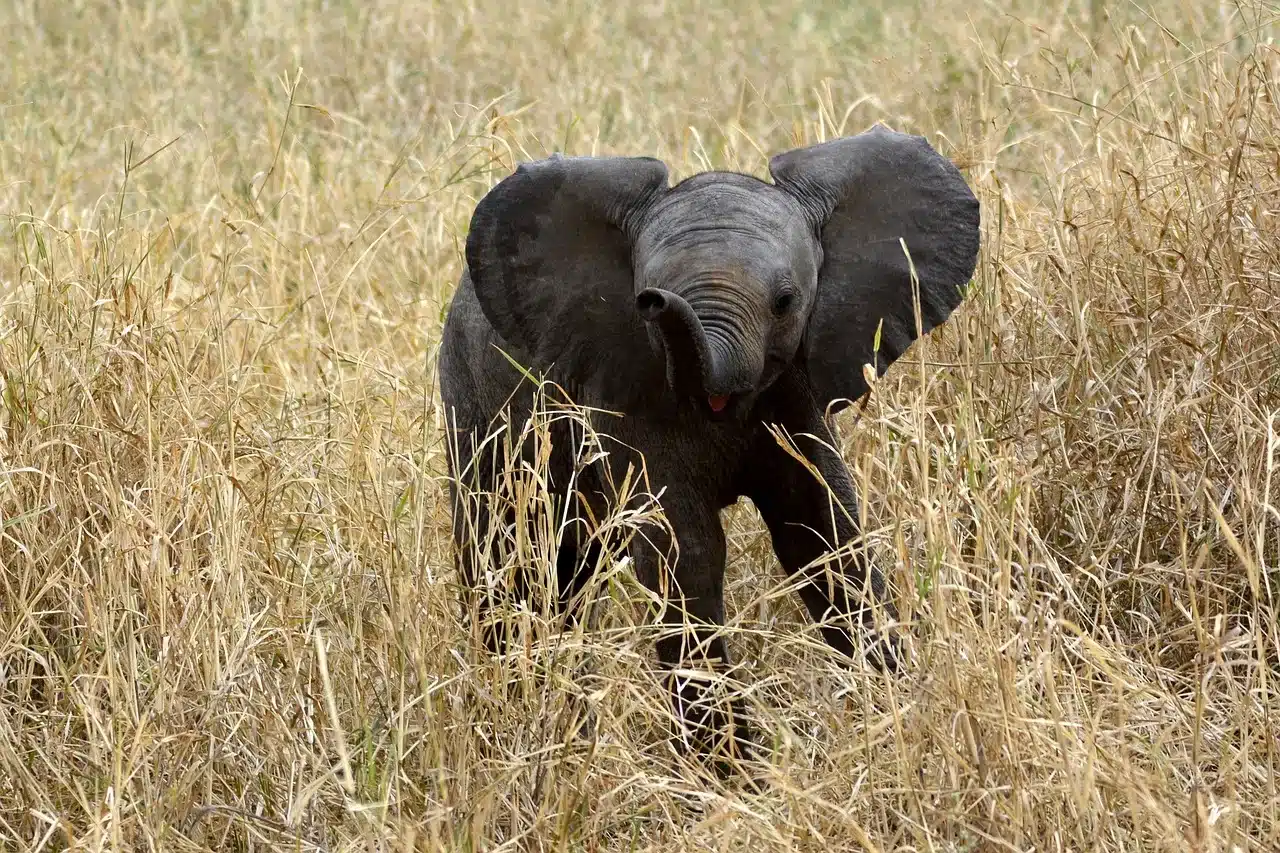
Elephants
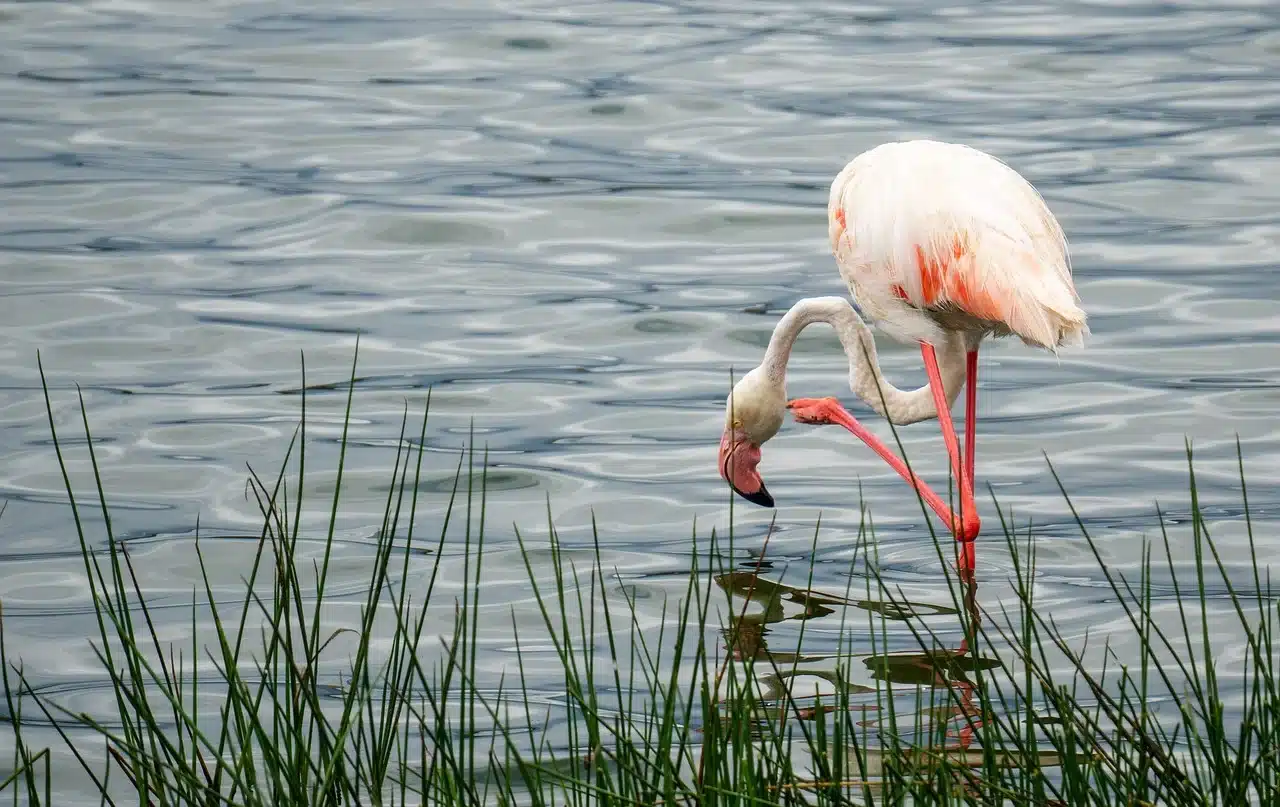
Birdlife and Flamingos
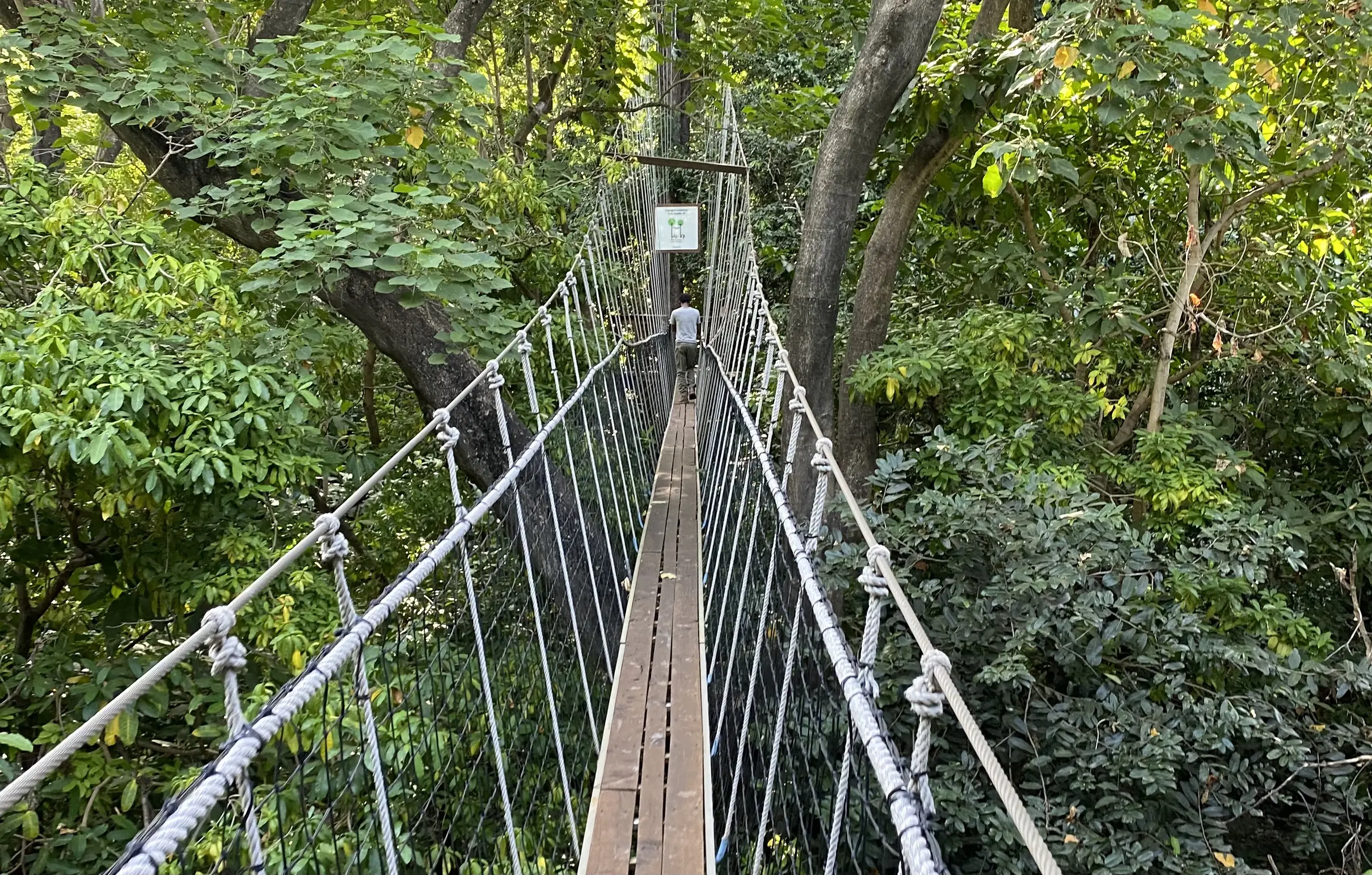
Treetop Walkway
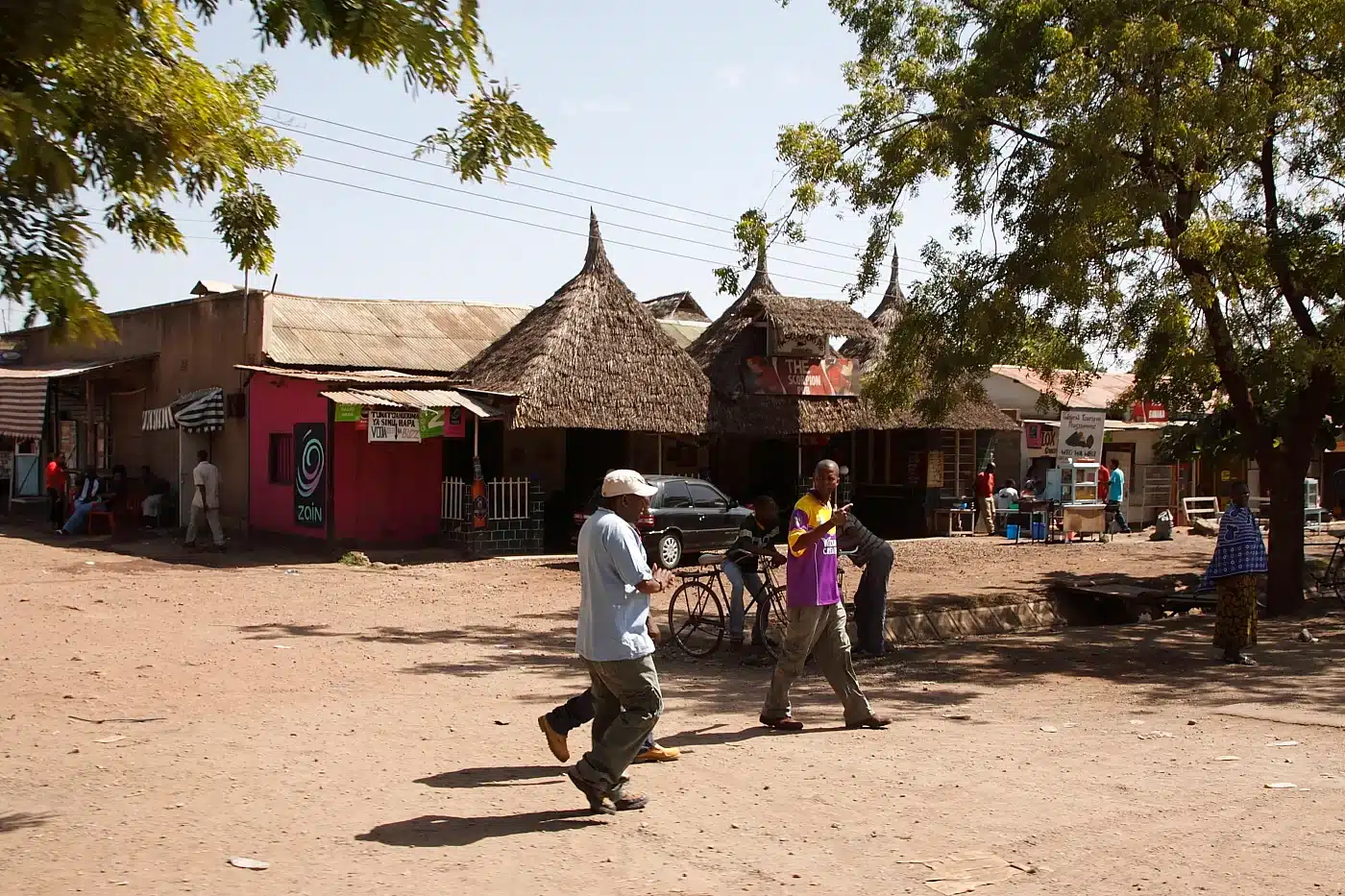
Cycling in Mto wa Mbu
Game Drives, Day and Night
Best Time to Visit Lake Manyara
How to Get to Lake Manyara
Lake Manyara Entrance Fees
- Adults (16+): around US$50 per day, plus 18% VAT — roughly US$59 in total
- Children (5–15): around US$15–20 per day
- Children under 5: free
- East African Community citizens and Tanzania residents: lower rates apply
- A safari vehicle entry fee and activity fees (canoeing, canopy walkway) are charged separately
How Much Does a Lake Manyara Safari Cost?
Lake Manyara vs Tarangire National Park
Lake Manyara
- Size: about 330 km², mostly lake
- Signature draw: tree-climbing lions, flamingos, forest
- Wildlife density: lower — variety over volume
- Scenery: forest, lake, Rift Valley escarpment
- Ideal length: half a day to one day
- Best for: birders, families, short-on-time visitors
- Distance from Arusha: about 1.5–2 hours
Tarangire
- Size: about 2,850 km², much larger
- Signature draw: huge elephant herds, baobab trees
- Wildlife density: high, especially in the dry season
- Scenery: open savannah, iconic baobabs
- Ideal length: one to two days
- Best for: elephant lovers, longer game drives
- Distance from Arusha: about 2 hours
A Half-Day or Full-Day Visit
A Multi-Day Stay
Where to Stay Near Lake Manyara
Frequently Asked Questions
Lake Manyara is famous for its tree-climbing lions, its large flocks of flamingos on the alkaline lake, its groundwater forest and its exceptional birdlife of more than 400 species. It is also known as a scenic first stop on Tanzania’s Northern Safari Circuit.
Most visitors need about half a day to a full day. The park is compact, so a single game drive of three to five hours covers its main habitats. Birders and photographers may prefer a longer visit or an overnight stay nearby.
Not all five. You have a good chance of seeing elephants, buffalo and lions, including the tree-climbing lions, and leopards are present but elusive. Rhinos are effectively absent from the park, so Lake Manyara is not a reliable Big Five destination.
Yes, for the right traveller. It is worth visiting for its scenery, birdlife, forest elephants and the chance of tree-climbing lions, especially as an easy half-day or day stop on the way to Ngorongoro. If your main goal is dense big-game viewing, pair it with Tarangire or the Serengeti rather than relying on Manyara alone.
Lake Manyara is roughly 126 kilometres west of Arusha, about a 1.5 to 2-hour drive along a good sealed road.
No. Tree-climbing lions are a highlight of Lake Manyara, but sightings depend on timing and luck and are never guaranteed. It is best to treat them as a special bonus rather than an expectation.
The dry season, June to October, is best for general game viewing, while the green season, November to May, is best for birds, flamingos and lush scenery. The park can be enjoyed year-round.
Non-resident adults pay approximately US$50 per day plus 18% VAT, around US$59 in total. Children aged 5 to 15 pay a reduced rate and under-5s enter free.
Tanzania · Northern Circuit
Book your stay with Mawe Lodges
Our own lodges and camps, our own guides, our own 4×4 vehicles. One team from arrival to departure.
-
12+
years operating -
Own
lodges & camps -
Own
guides & 4×4 vehicles