Kogatende · Northern Serengeti · Tanzania
Gnu Mara River Camp

- 10 en-suite tents
- Open 1 June to 15 November
- Full board dining
- The camp moves with the migration
The Camp
Great Migration Camp on the Mara River
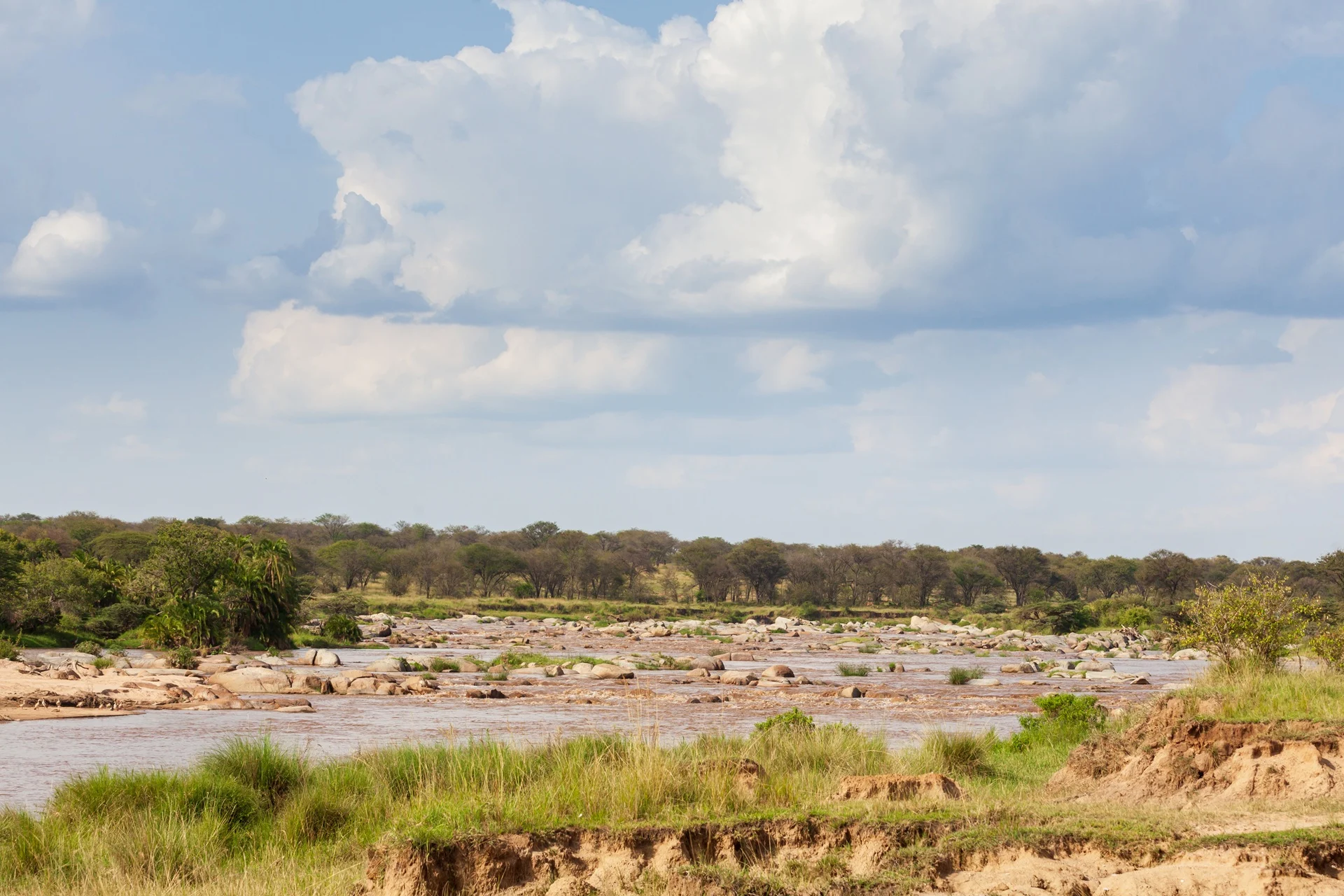
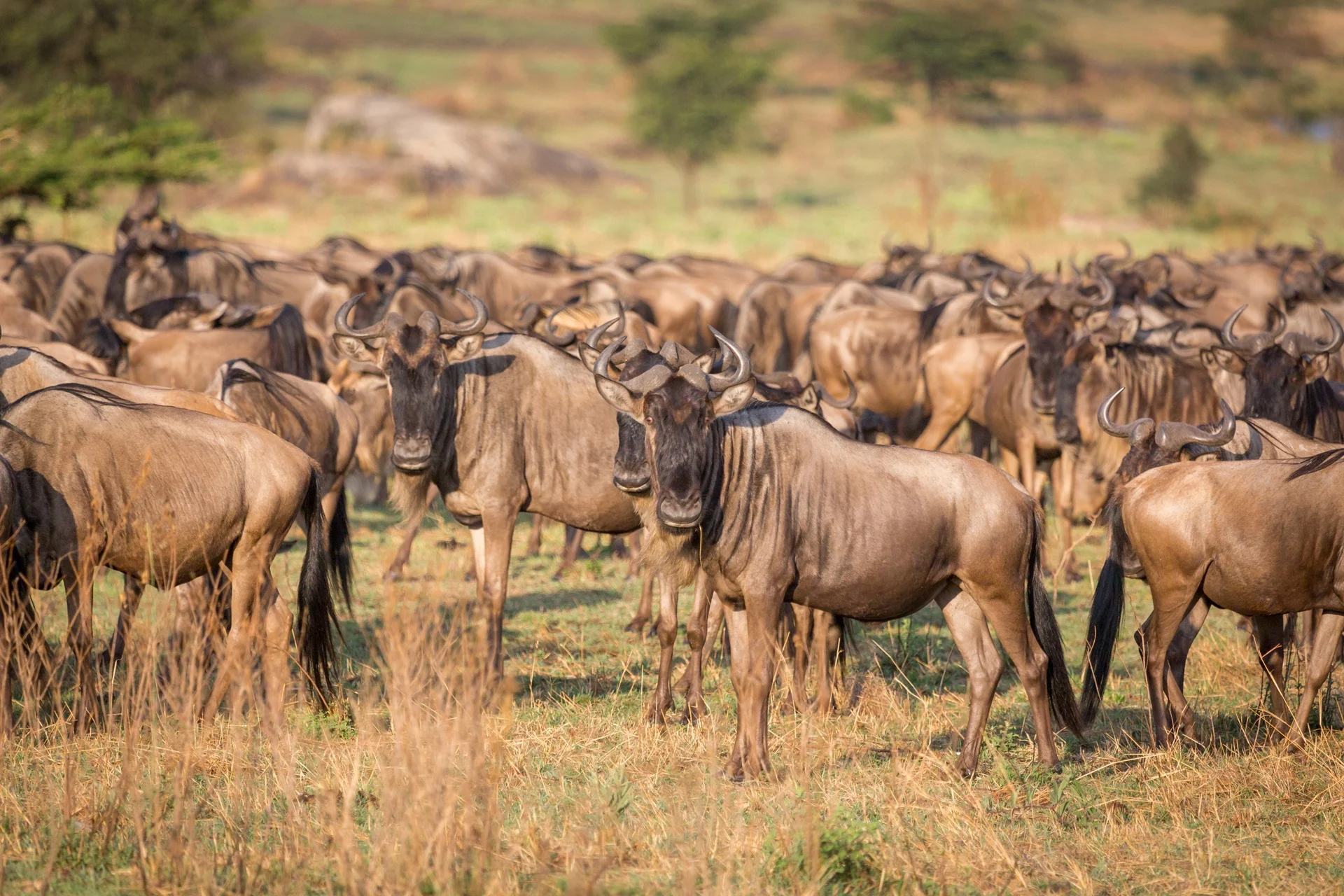
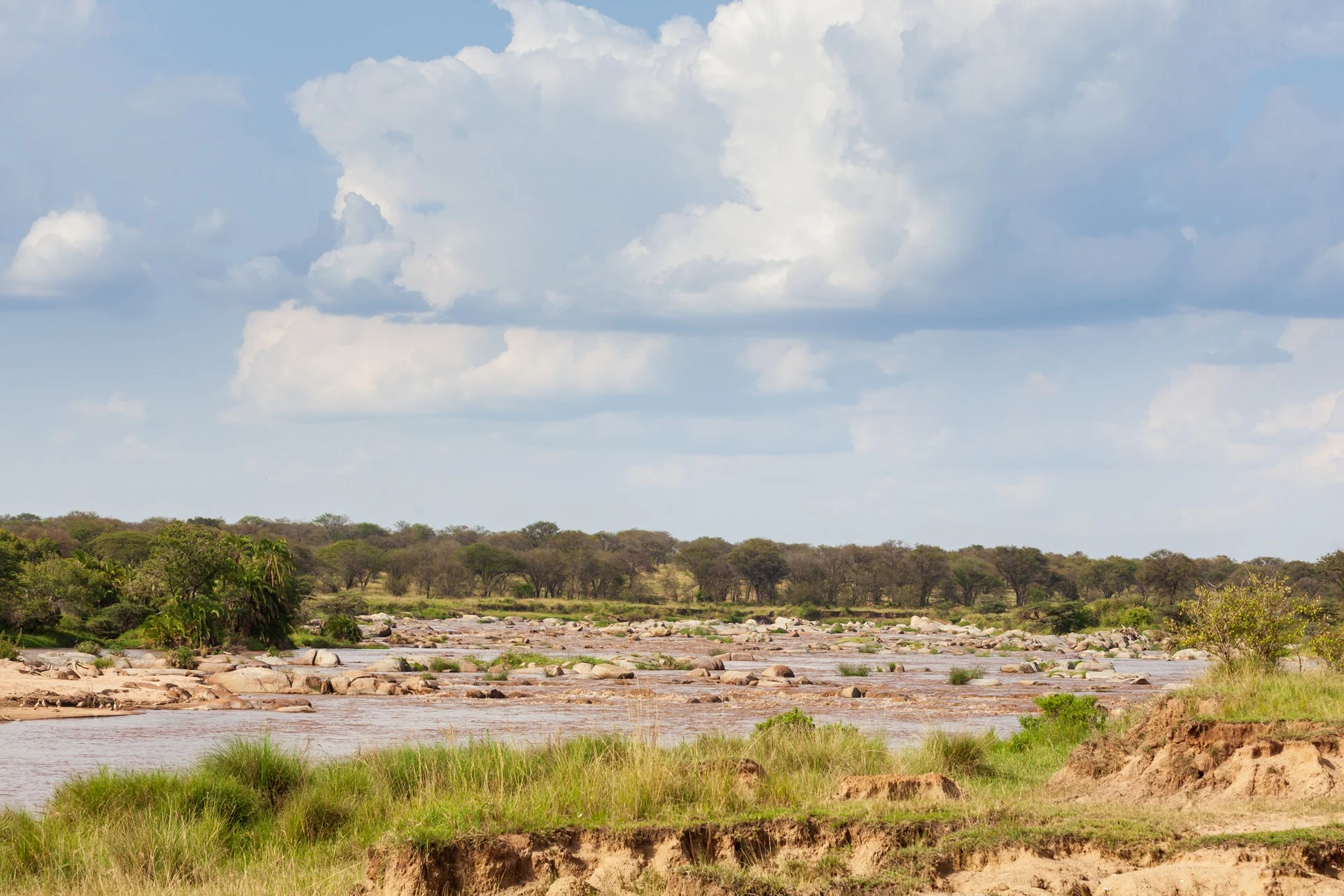
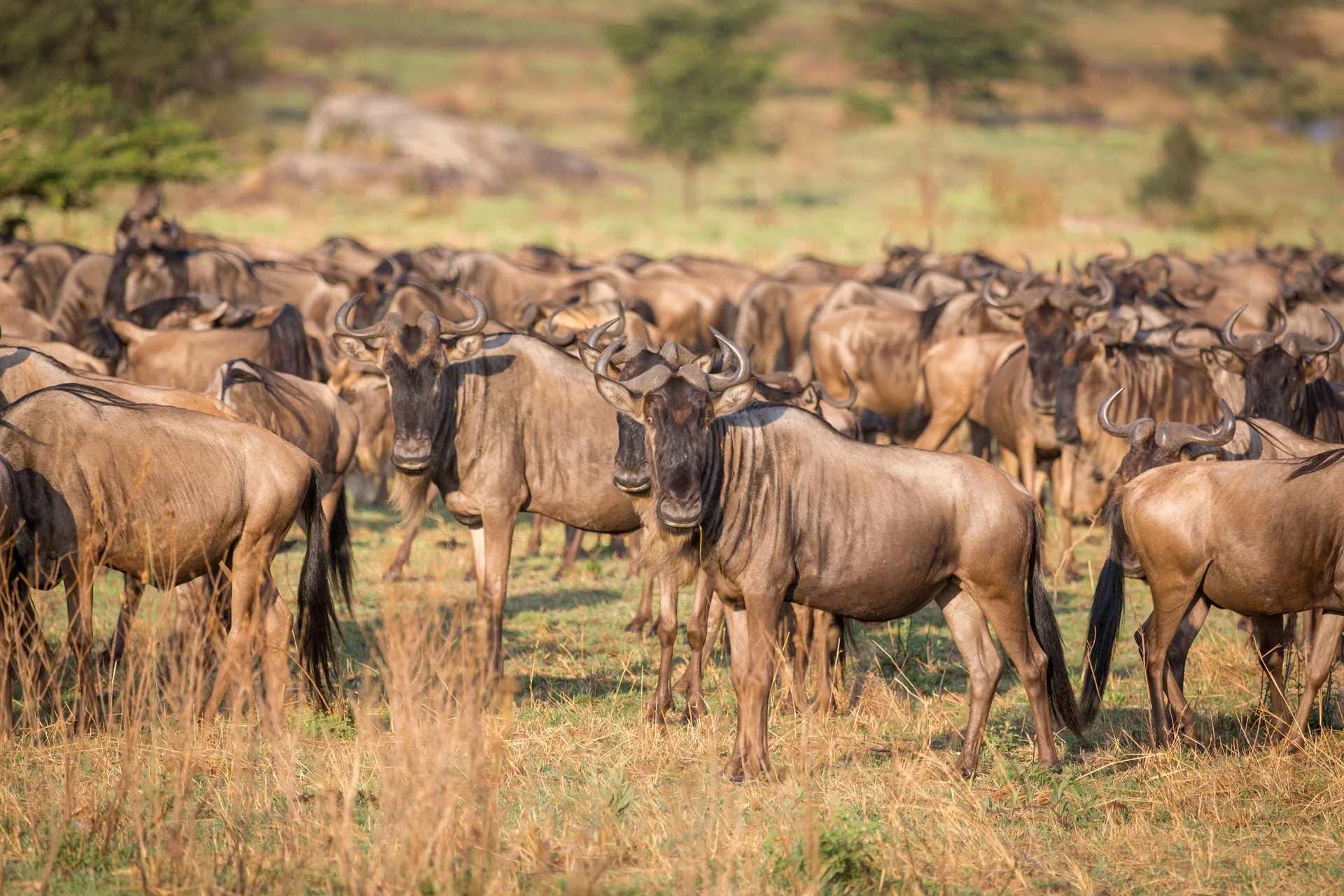
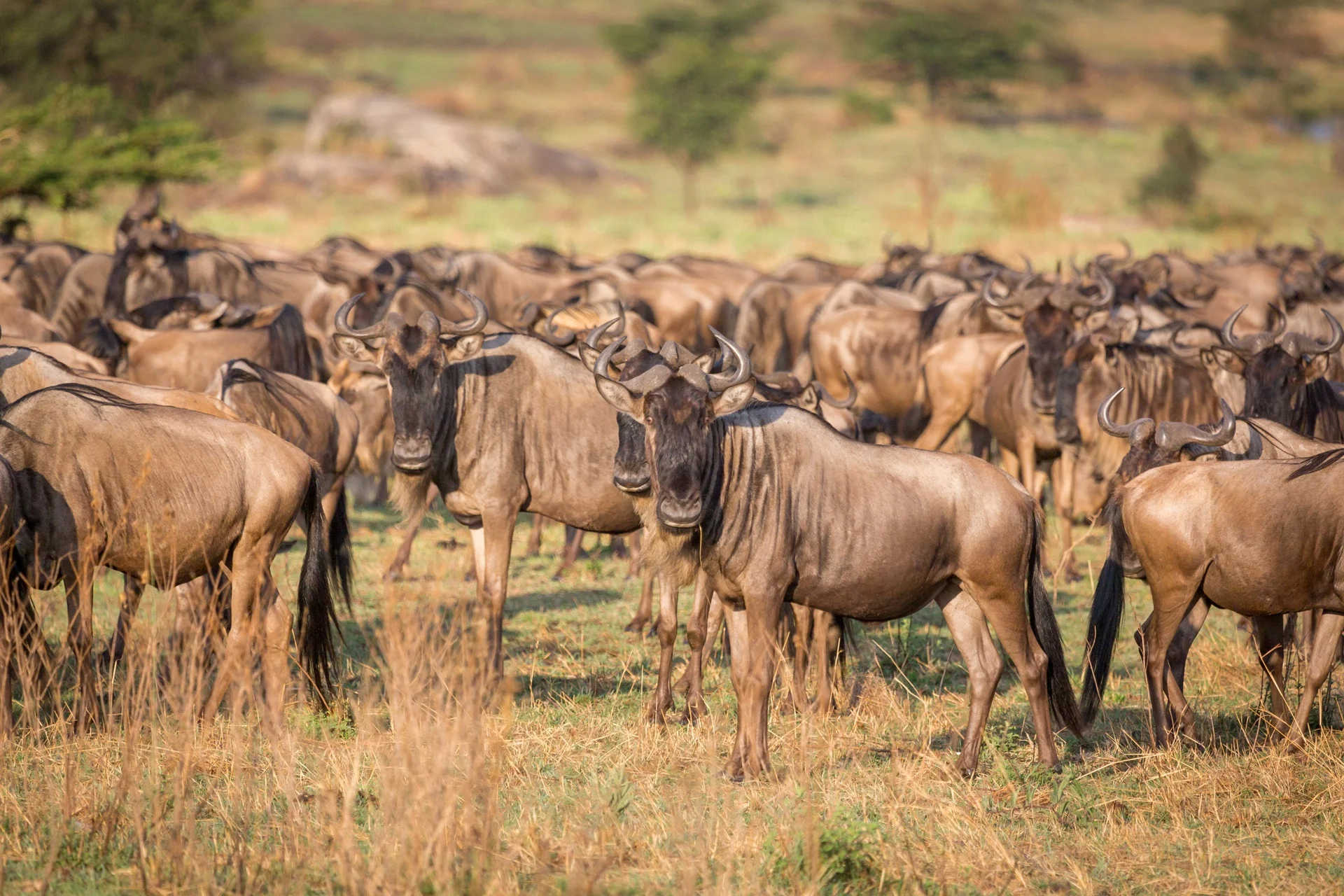
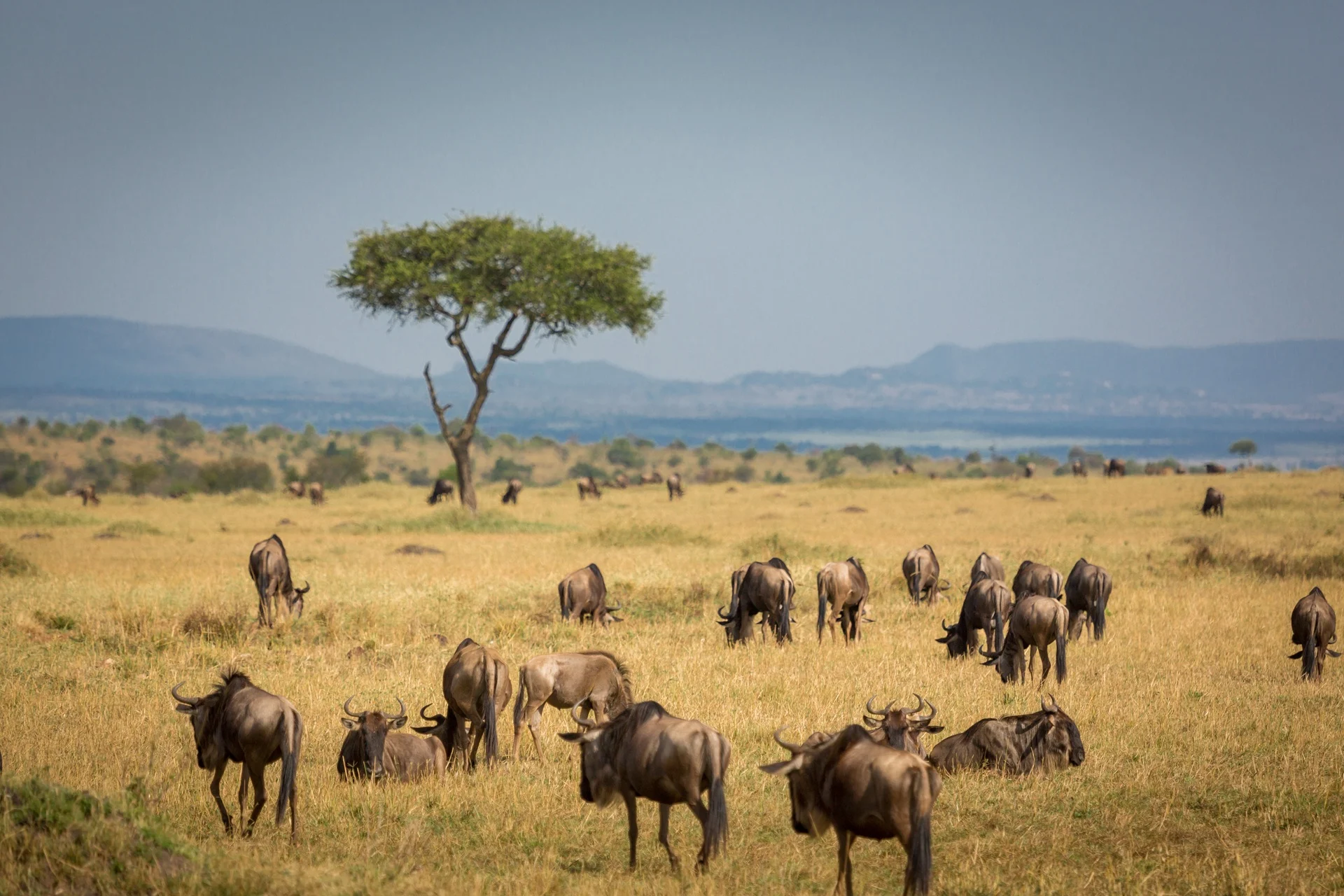
The great migration is a year-long circle, and the Mara River is its most dramatic chapter. Between July and mid-November, the herds cross the river again and again, following rain and grass between Tanzania and Kenya. Crocodiles wait in the water, and lions and leopards wait on the banks.
Our camp exists for this chapter. It stands in Kogatende, on the Tanzanian side of the river, close enough that guests reach the crossing points in about 40-45 minutes.
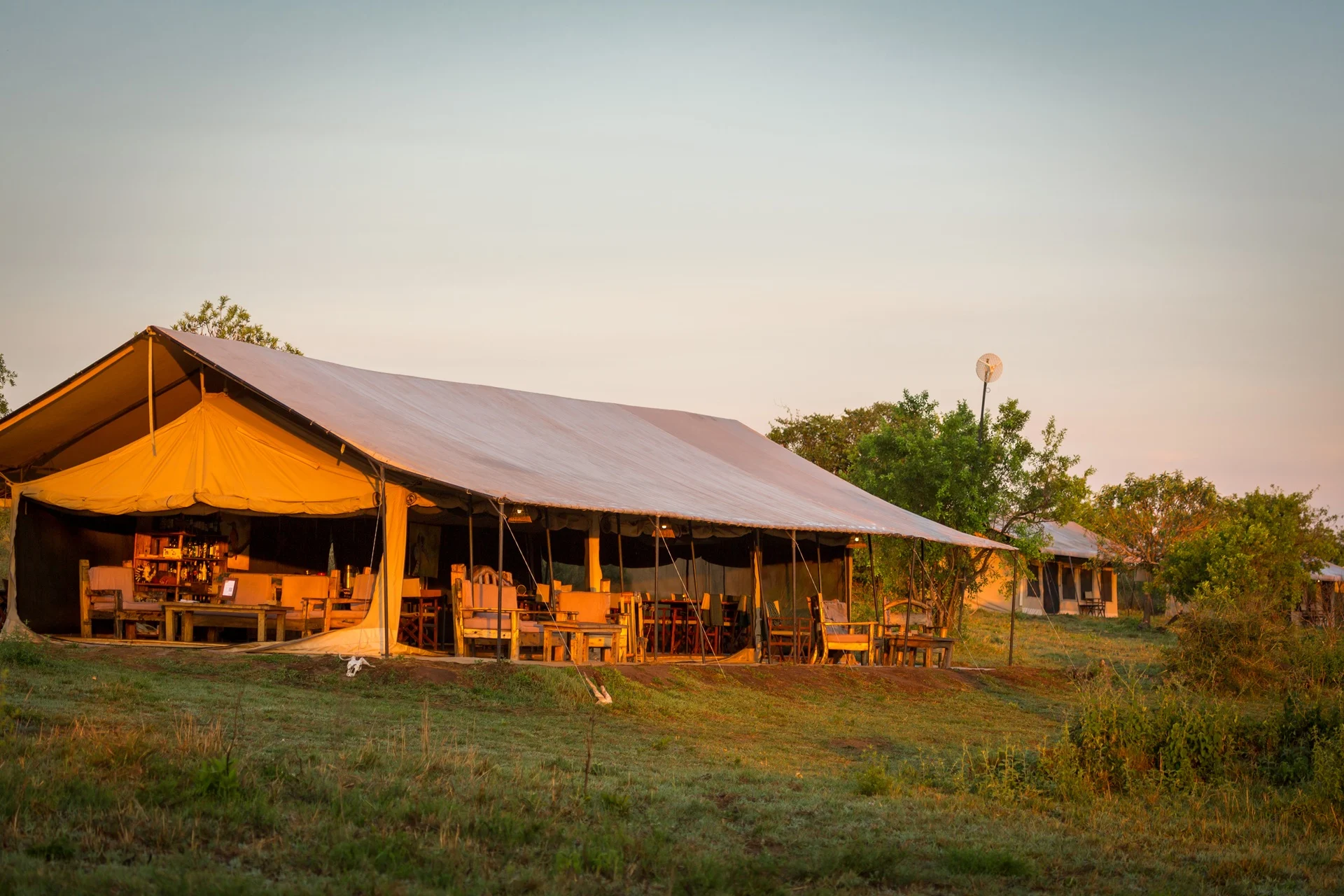
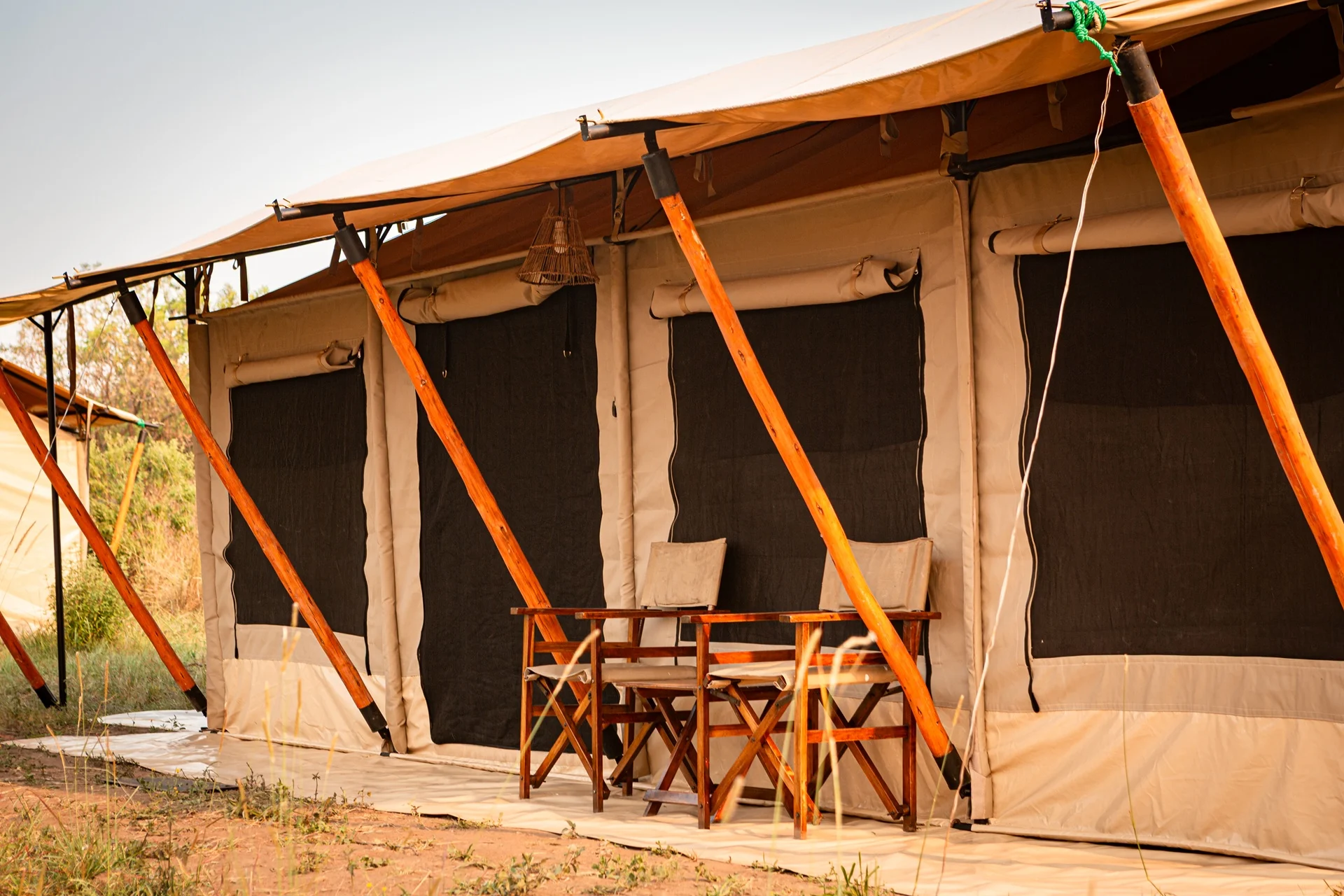
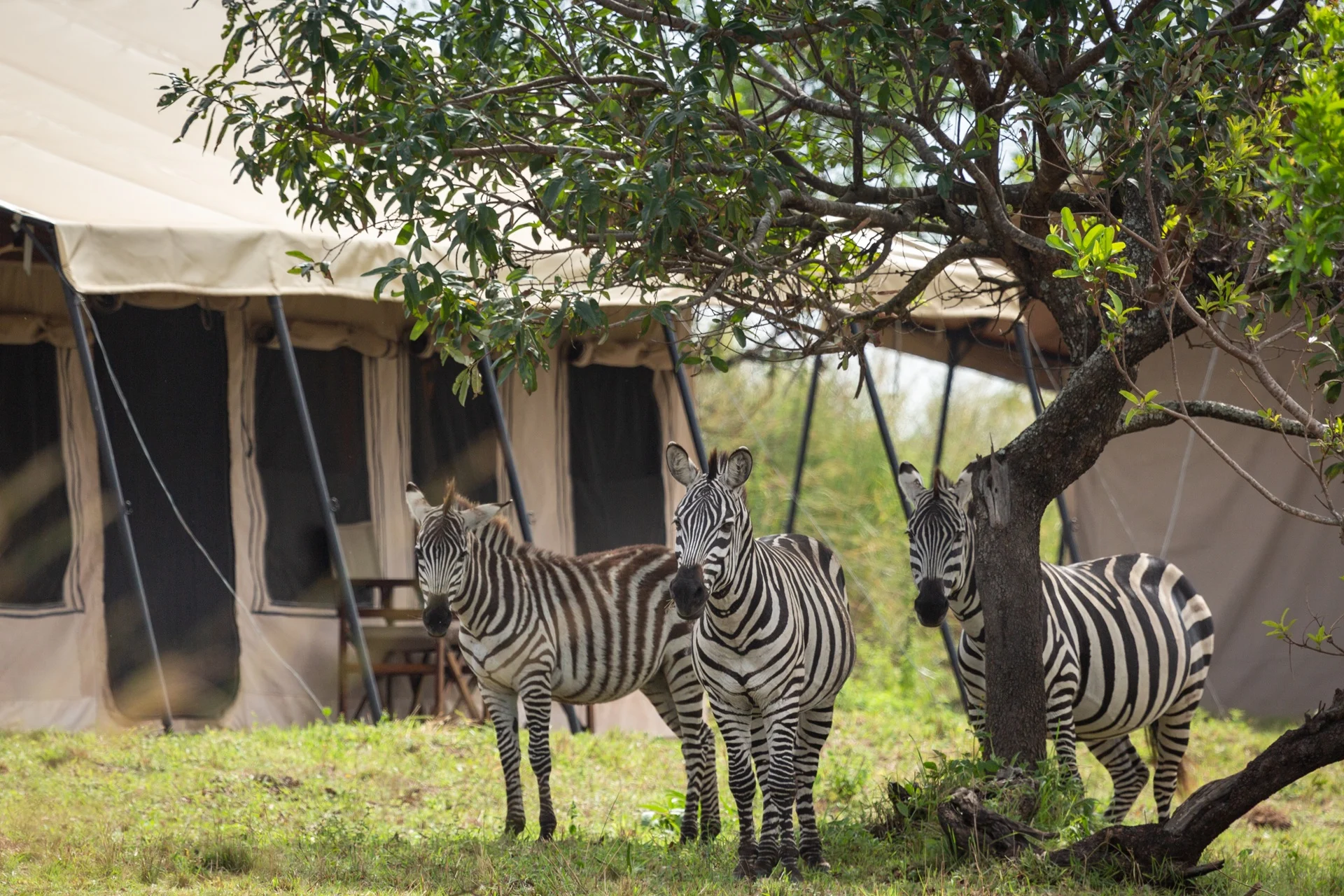
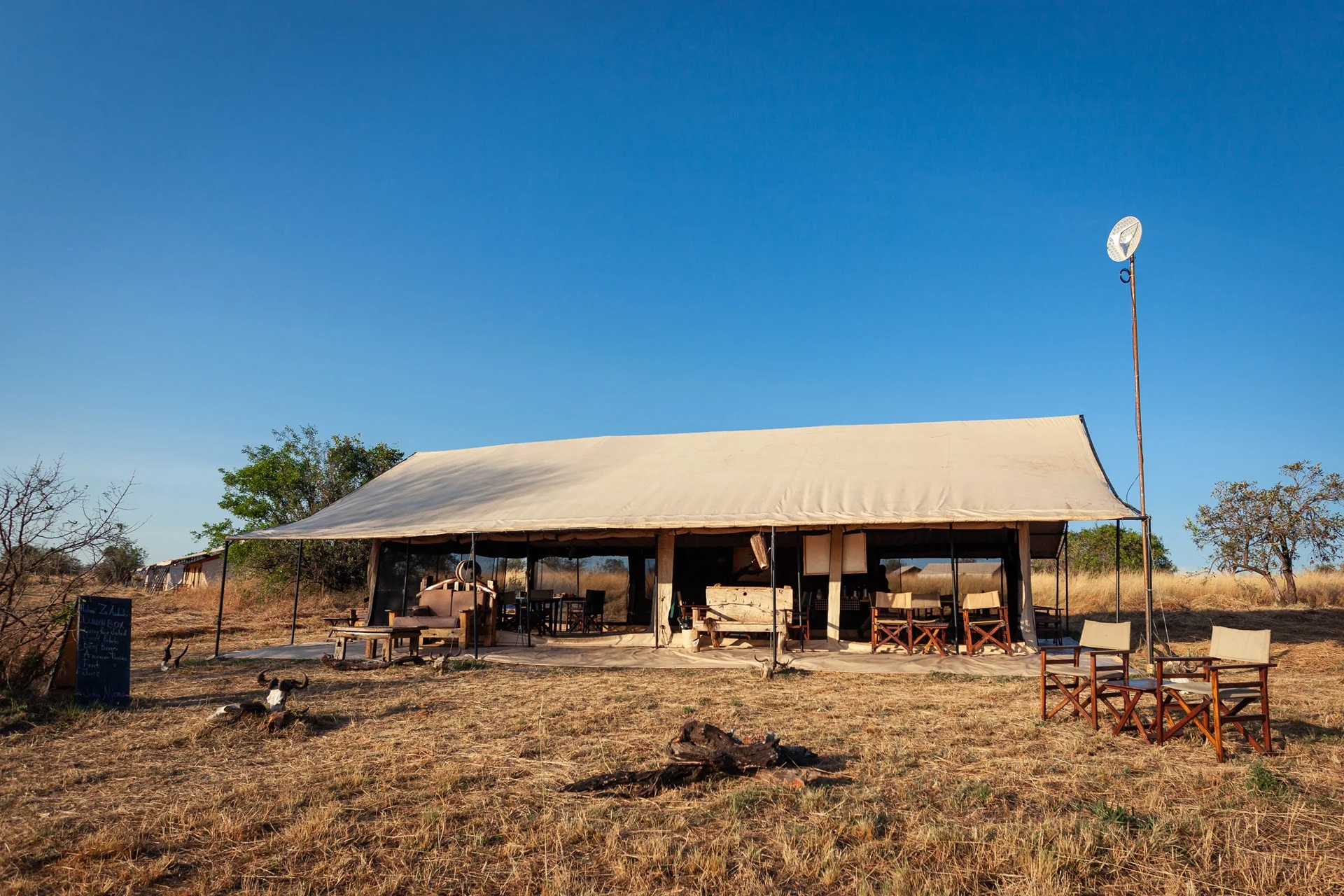
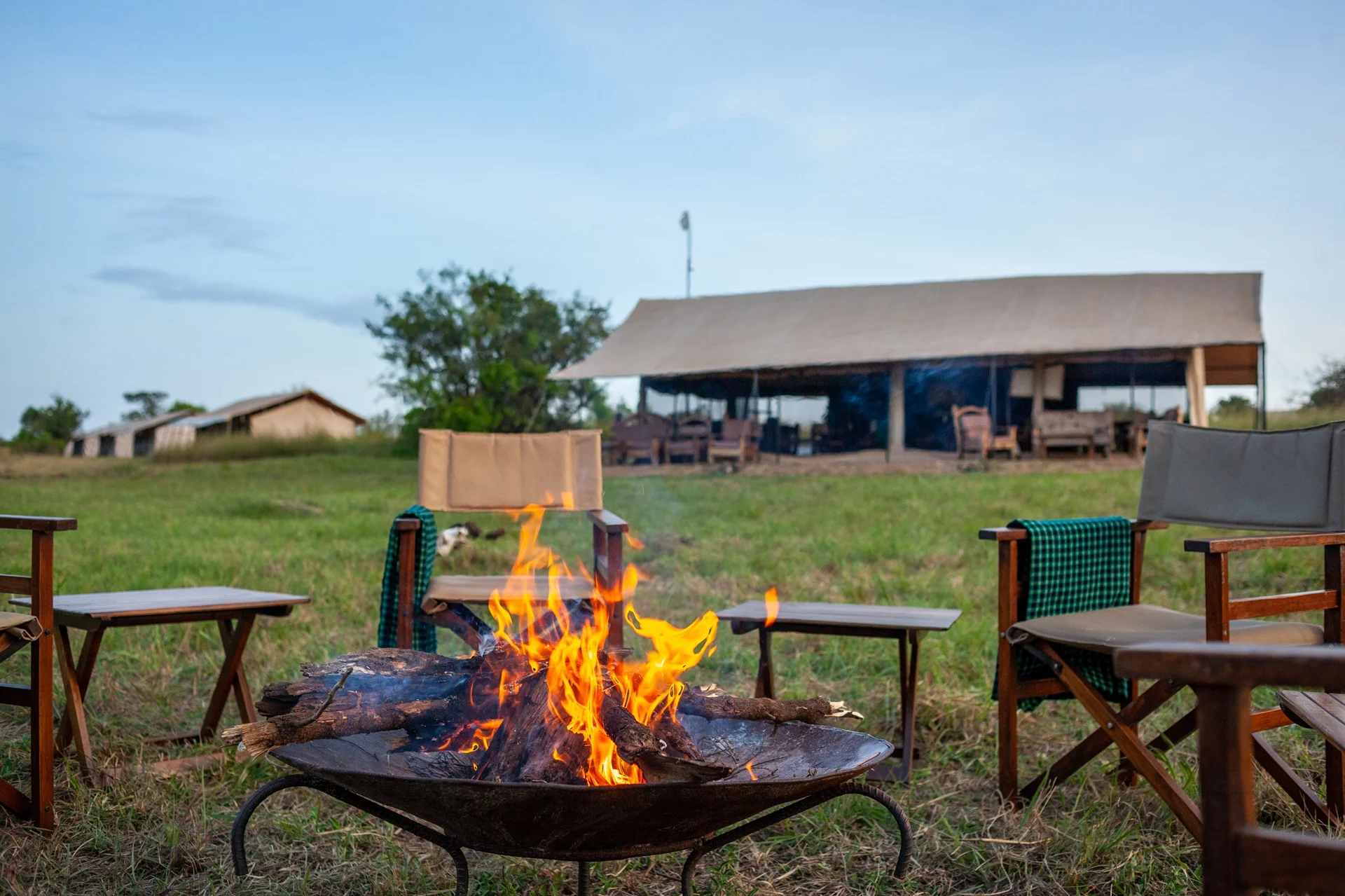
The camp itself stays small, with ten tents facing the plains. Decks look out over the grassland. Waterholes near camp bring animals to you between drives, and elephants sometimes feed at the entrance.
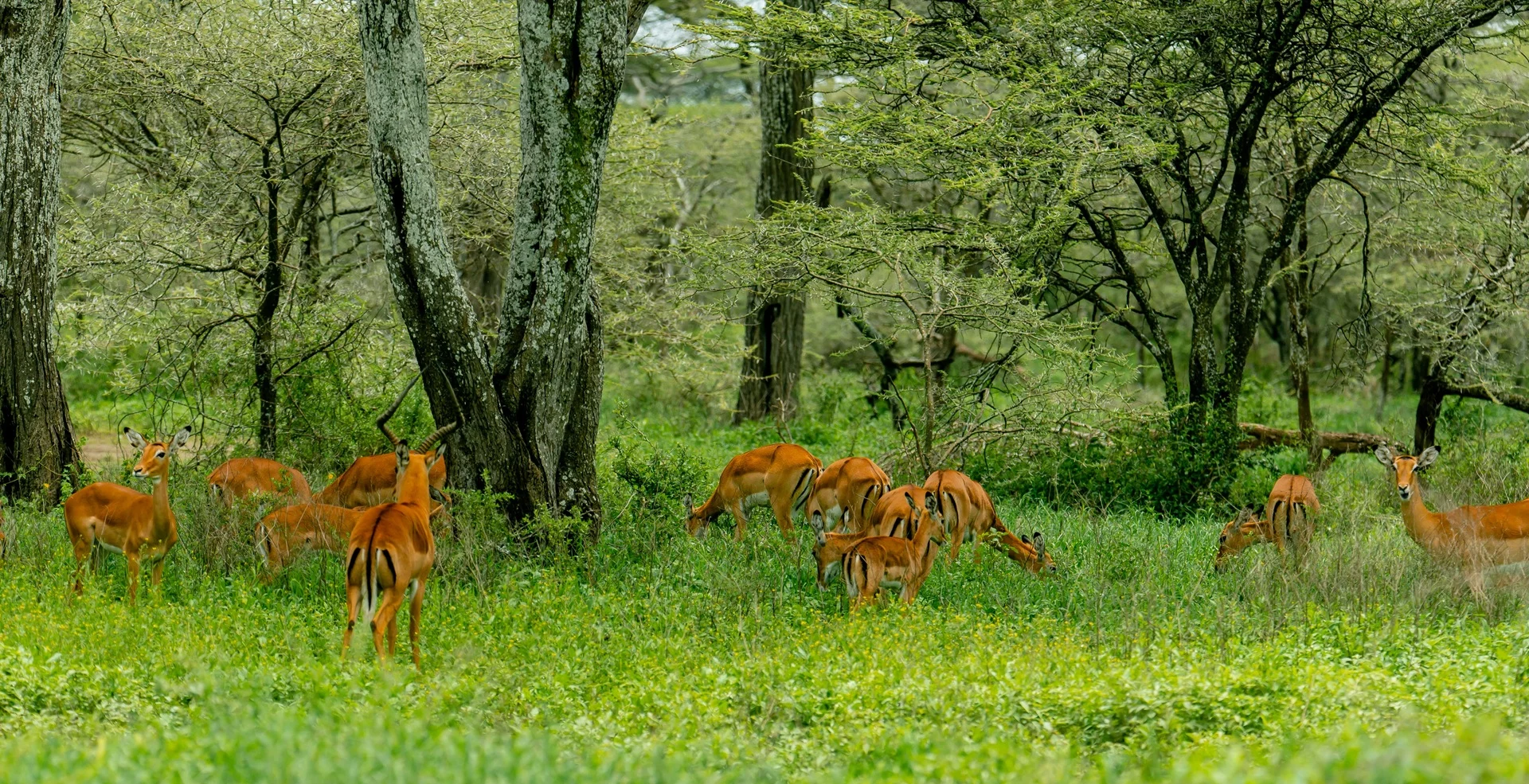
Even without the herds, the north stays generous. Resident lions, elephants, giraffes, and hyenas live here all year. Guests who came outside the crossing weeks still describe the area as their favourite part of the Serengeti.
Rooms
Rooms and Accommodation at our Mara River Camp
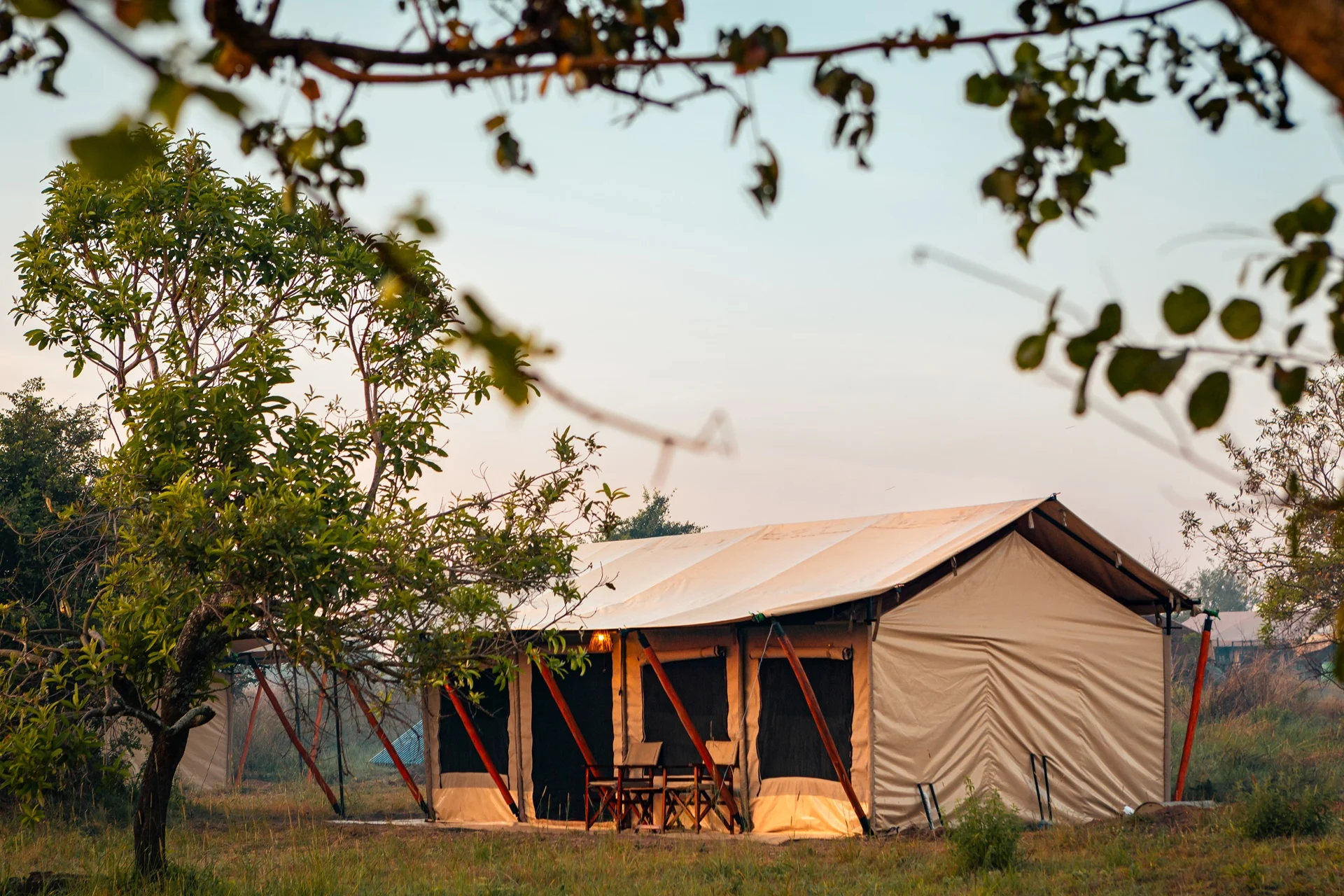
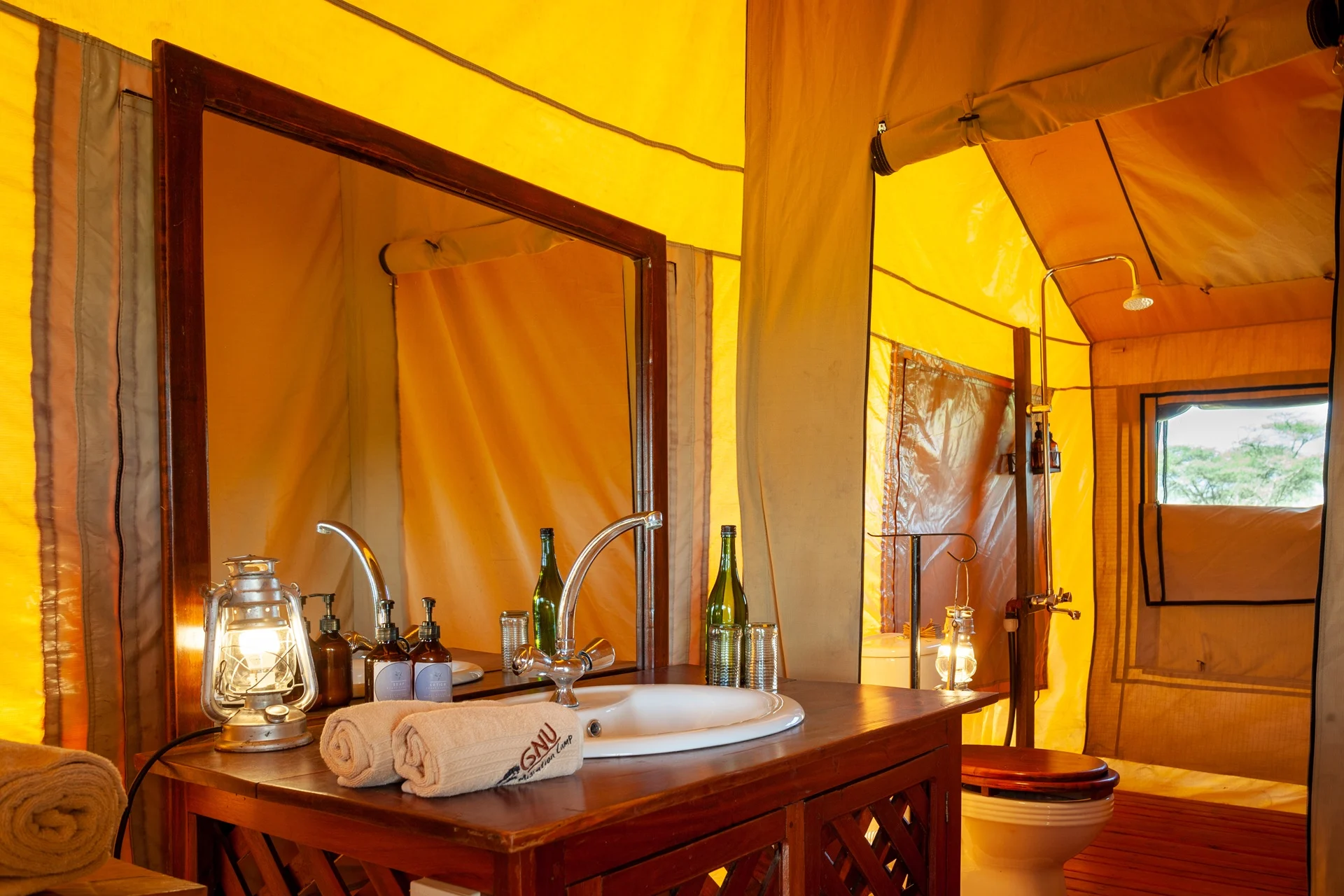
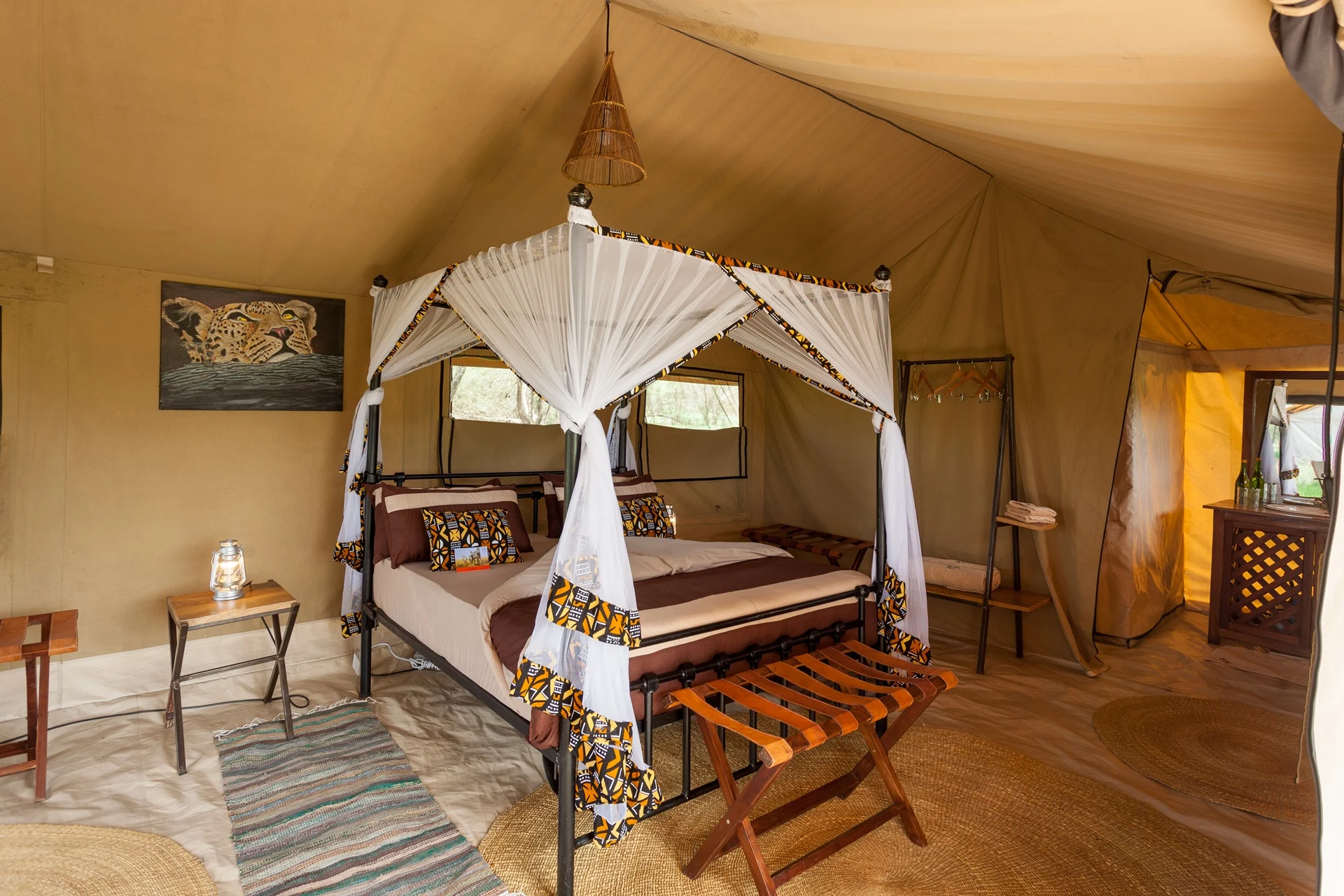
All ten tents are en-suite, with a flush toilet and a hot shower. Solar power runs twenty-four hours a day, so lighting and charging work at any hour. Each tent has a deck facing the plains, proper beds with mosquito nets, bottled water, and daily housekeeping. All tents are non-smoking.
The tents are spacious, and reviewers often mention the room to move. The floors are carpeted, which keeps the tents warm during the cold northern mornings. The walls are canvas, so the herds, the hyenas, and the river country reach you at night.
Double or Twin Tent (6 tents)
Our double and twin tents take two guests, with a double bed or two twin beds. These are the tents most couples and photographers book.
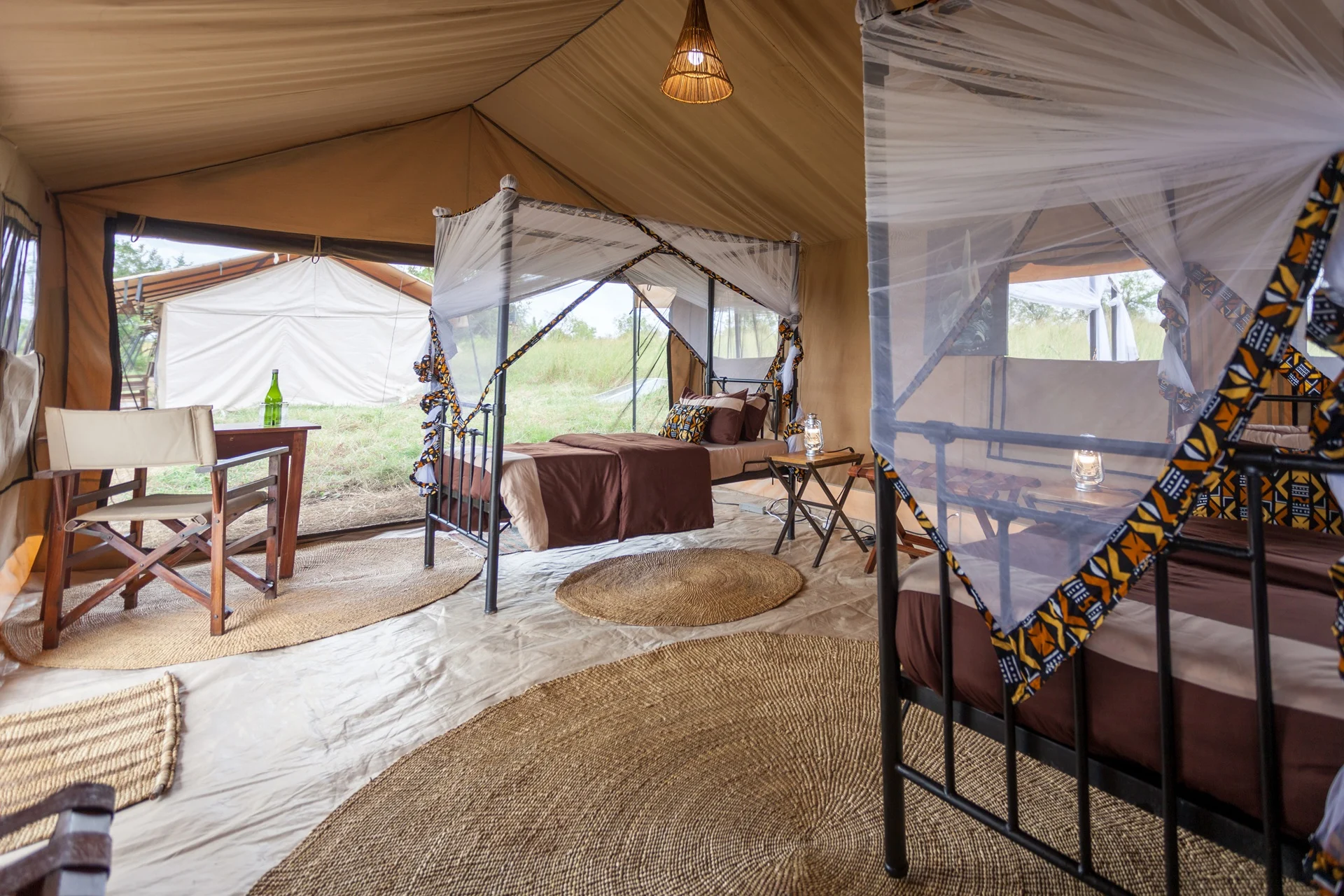
Triple Tent (2 tents)
The triple tents take three guests. Friends travelling together and parents with one child use them most.
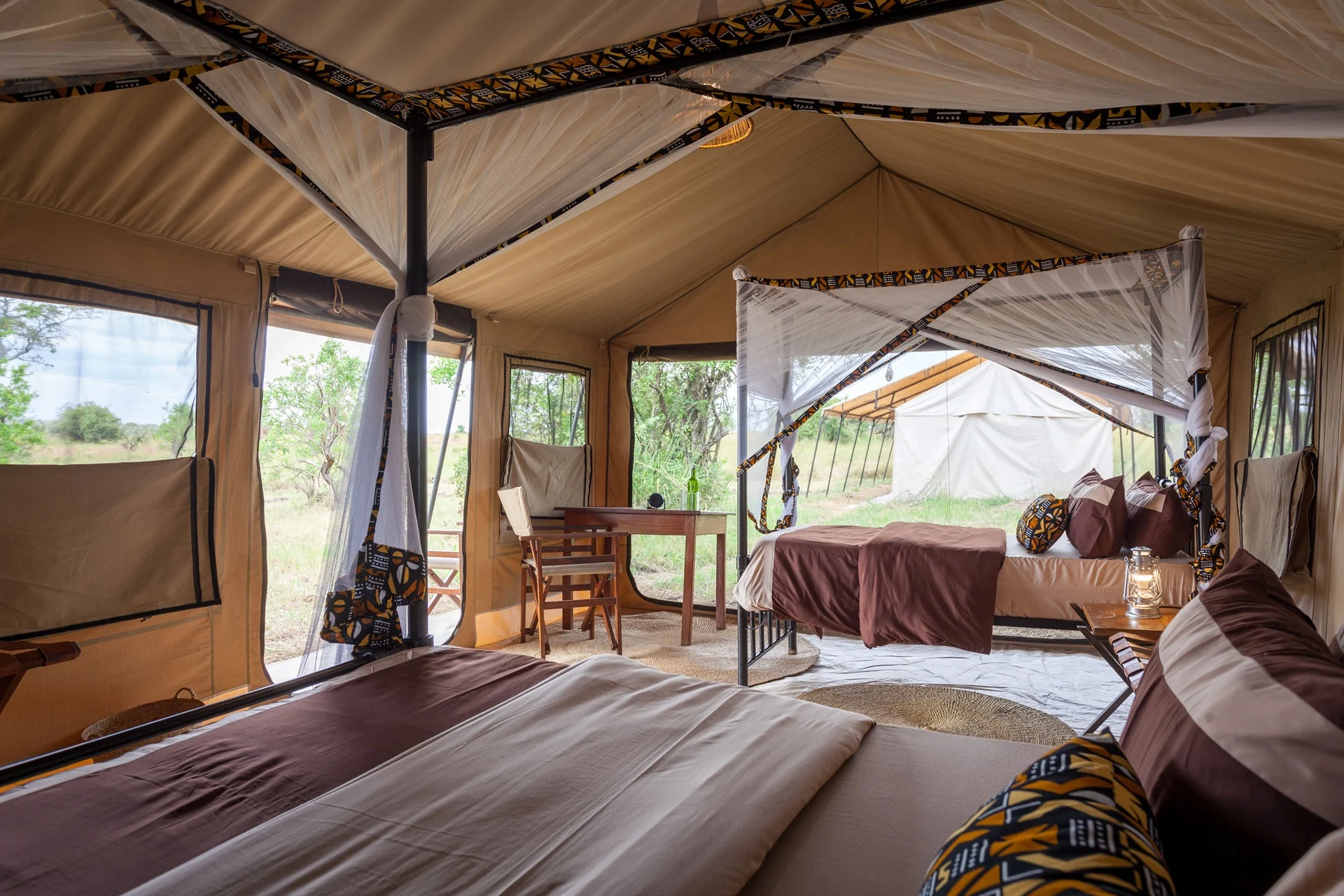
Family Tent (2 tents)
The family tents keep parents and children together in one unit, with separate sleeping areas. Tell us your family size when you enquire, and we will match you to the right tent.
- En-suite bathroom with hot shower
- 24-hour solar power with charging points
- Private deck terrace the plains
- Carpeted floors
- Wi-Fi in the main areas
- Mosquito nets and bottled water
- Daily housekeeping
- Escort to your tent after dark
- Laundry service
Chances to See the Mara River Crossings
The Great Migration is one of nature’s most spectacular events, but the Mara River crossings do not happen according to a timetable. Rather than promising a crossing on a particular day, we prefer to explain how the experience really works.
The herds usually begin reaching the northern Serengeti from late June through July. From then until around mid-November, wildebeest and other migrating animals may cross the Mara River in both directions, often making multiple crossings throughout the season.
A crossing can involve a few hundred animals or tens of thousands. It might be over within ten minutes or continue for two hours. The timing is completely unpredictable.
The herds may gather along the riverbank for hours, appear ready to cross, and then suddenly turn away for no obvious reason. At other times, one animal will take the first step into the river and thousands can follow almost immediately.
What We Can Promise
We cannot promise that you will see a crossing on a particular day. What we can promise is the right location, experienced guides and patience.
Our guides monitor the movement of the herds each morning and identify where animals are gathering along the river. Our Mara River Camp is located near the main migration crossing points, allowing you to spend time waiting at the river without losing an entire day.
If the herds are not ready to cross, you can continue doing safari, watching other animals like lions, leopards, and elephants, and continue when the herd is closer to the river.
For the best chance of witnessing a crossing, we recommend staying at least three nights during the migration season. While no stay can guarantee a crossing, spending several days in the area gives you significantly better opportunities. Some guests witness several crossings during their stay, with one recent guest even experiencing two crossings in a single stay.
The magic of the Mara River crossing is precisely what makes it so special: it happens on the animals’ terms, not ours.
Facilities & Dining
Facilities and Dining Gnu Mara River Camp
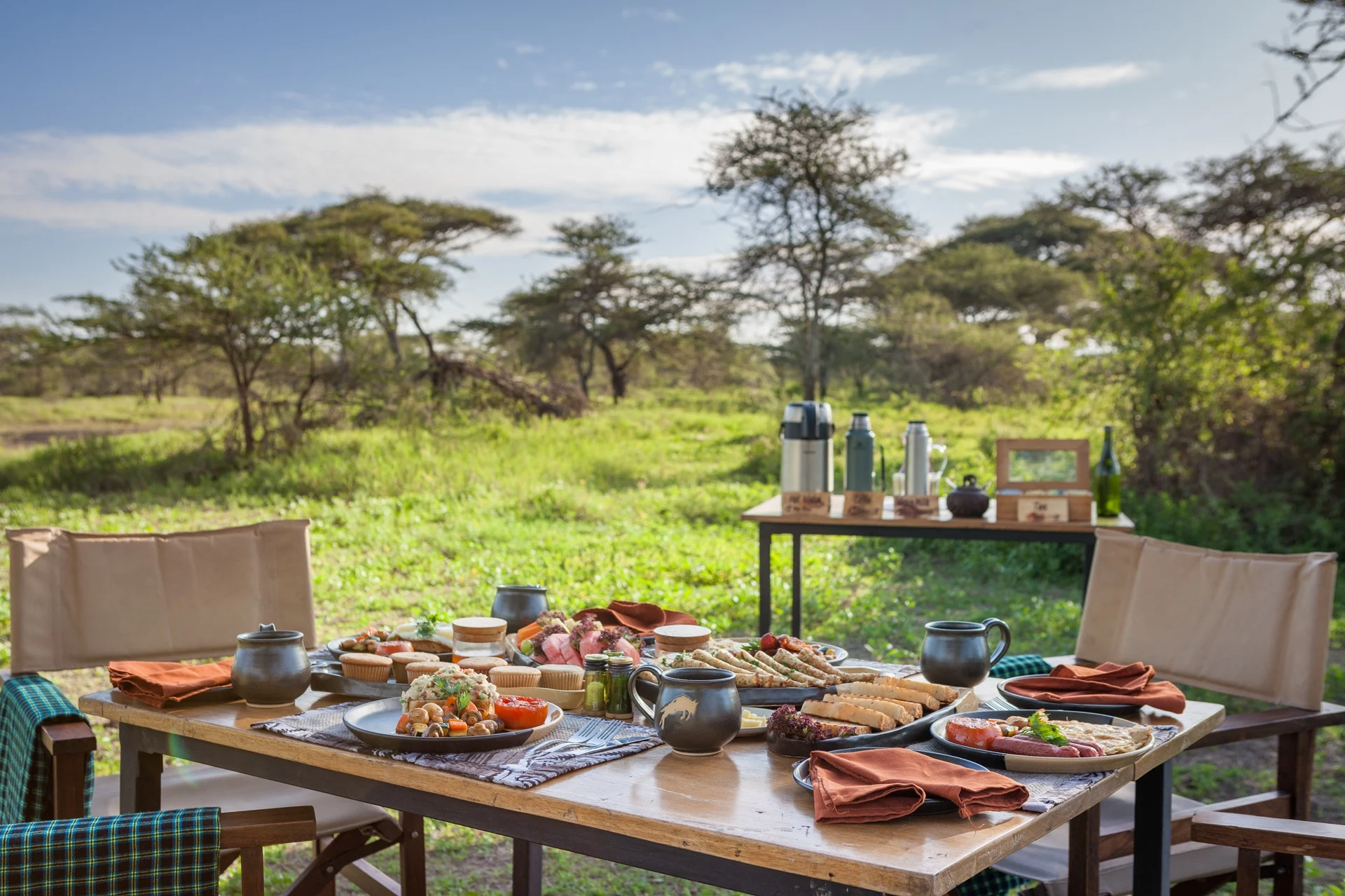
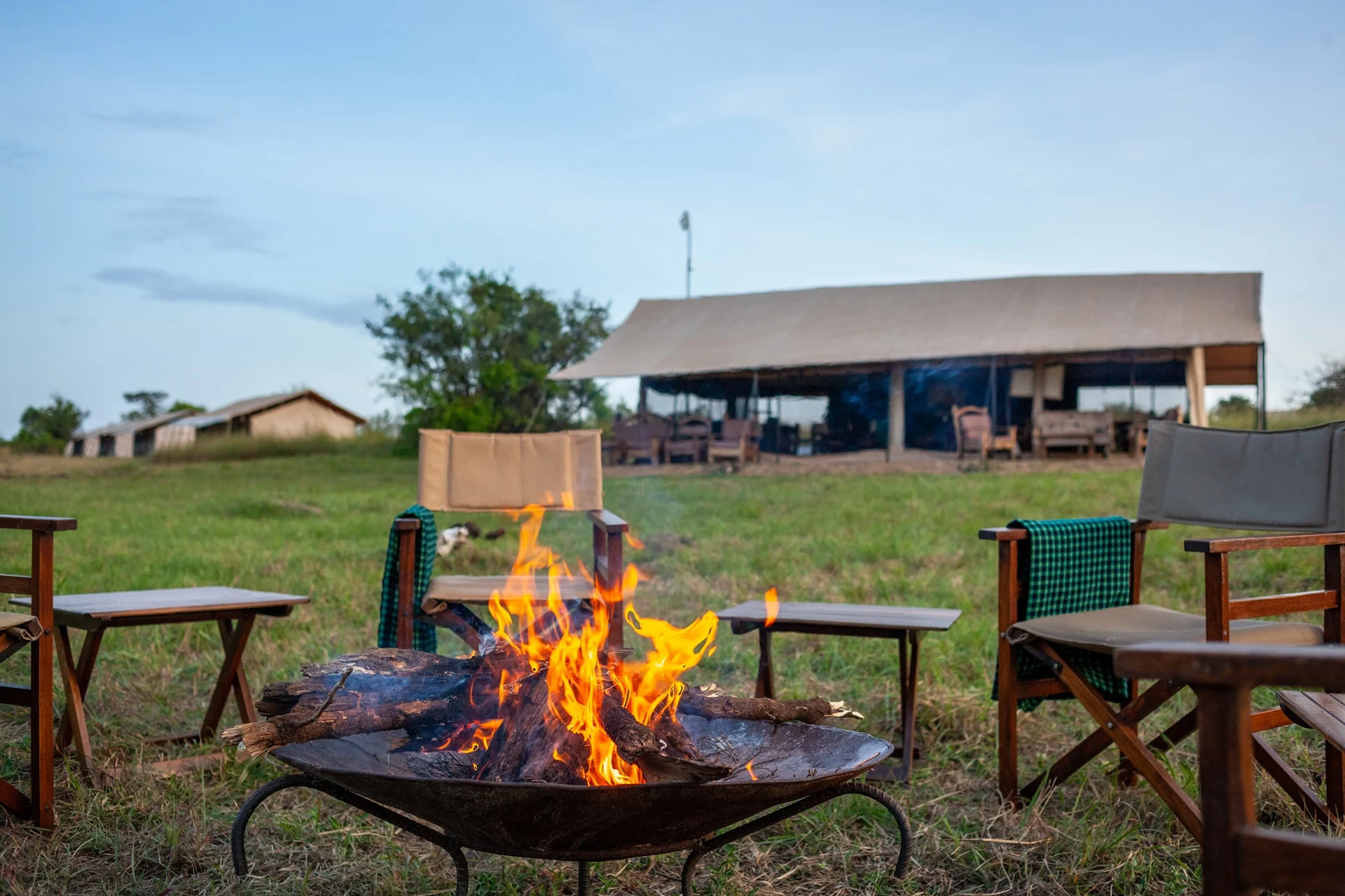
The main tent is the heart of Gnu Mara River Camp, bringing together the restaurant, bar and a comfortable lounge with Wi-Fi. Breakfast is served early, giving you the opportunity to head out to the Mara River while the herds are beginning to move.
In the evening, enjoy a freshly prepared, full-service dinner with a choice of dishes. Our kitchen is an important part of the camp experience, and we are proud that one family who stayed at several Serengeti lodges during their safari rated our food as the best of their entire trip.
If you plan to spend the middle of the day waiting at the river, our kitchen can prepare a breakfast box or packed lunch for you to take along. We are happy to accommodate dietary requirements, including vegetarian, vegan, and gluten-free diets, as well as most other dietary requests. Simply let us know when booking or speak to our team when you arrive.
Your stay at Gnu Mara River Camp is on a full-board basis, with breakfast, lunch and dinner included in your accommodation rate. Drinks and beverages from the bar are charged separately.
Our Commitment to Sustainability
Gnu Mara River Camp is sustainability certified, and our mobile nature makes responsible operation an essential part of how we work.
The camp moves twice a year, allowing us to carefully manage our environmental footprint. Solar power provides our energy, all waste is taken out of the national park with us, and each campsite is restored when the camp moves on.
Our goal is simple: to leave the wilderness as we found it, with nothing behind but our tracks.
Location
Our Location in Kogatende, Northern Serengeti
Kogatende is the heart of Tanzania’s crossing country. It faces the Mara River in the far north of Serengeti National Park, and it stays quieter than the central Serengeti even in peak season. This is also the greenest corner of the park, with rolling hills that surprise guests expecting flat plains.
The camp stands minutes from the river, and the main crossing points spread along a short stretch of it. Most guests fly into Kogatende Airstrip, with daily flights from Arusha and connections from Zanzibar. The transfer to camp is a game drive of about forty minutes.
Guests combining regions usually fly between camps. A common route pairs the north with our Mawe Tented Camp in the central Serengeti, and road travellers break the journey at our Karatu Tented Lodge near Ngorongoro.
Best Time to Stay at our Gnu Mara River Camp
July to October
These are the crossing months. The herds shuttle across the river in both directions, and predator activity peaks on the banks. This is the busiest and best window, and tents sell out months ahead. Book early for July to September.
June
The camp opens on 1 June, ahead of the main herds. The advance columns begin arriving in the north from late June. Rates and crowds stay lower, and the resident game is already here. June suits travellers who want the north without peak pressure.
November
The herds begin drifting south as the short rains start, and crossings continue into early November. By mid-November the migration has moved on, and the camp closes and follows it. The camp reopens in the south for the calving season from late December.
Activities
Things to Do at Gnu Mara River Camp
Every activity starts at camp. Book ahead where you can, so we can arrange guides and permits.
01 — Crossing vigils and game drives
Crossing vigils and game drives
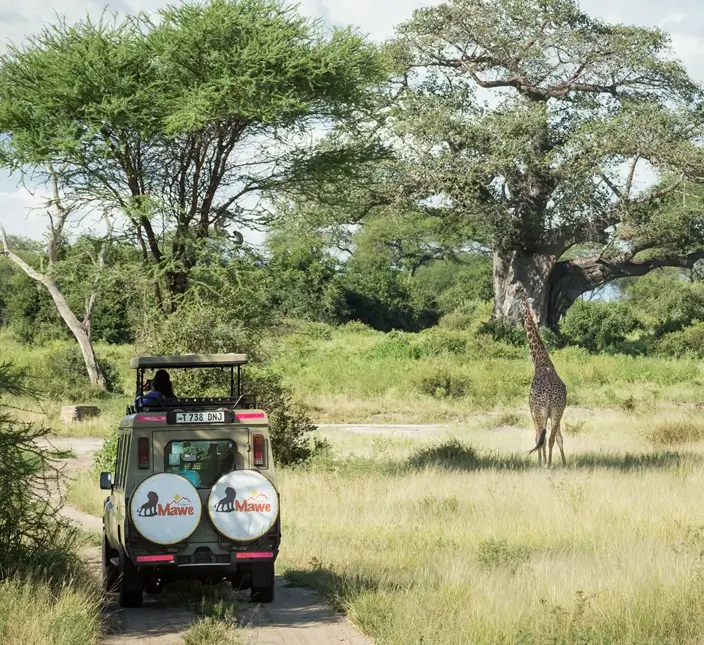
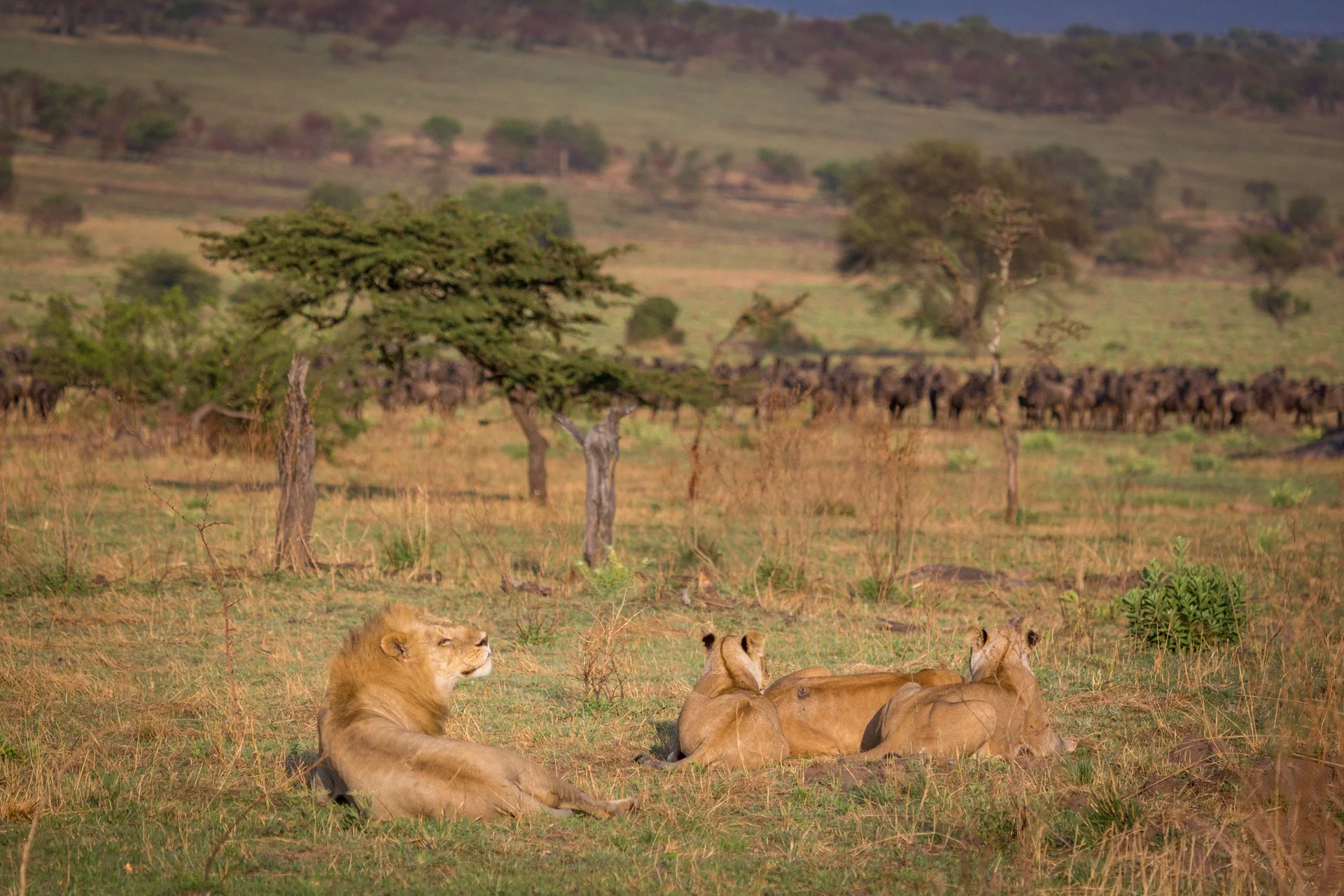
Game drives run in our 4×4 vehicles with our own guides. During crossing season, drives are built around the river, with our guides tracking where the herds gather each morning. The rest of the north, with its resident cats and elephants, fills the quieter hours.
02 — Hot air balloon safari
Hot air balloon safari
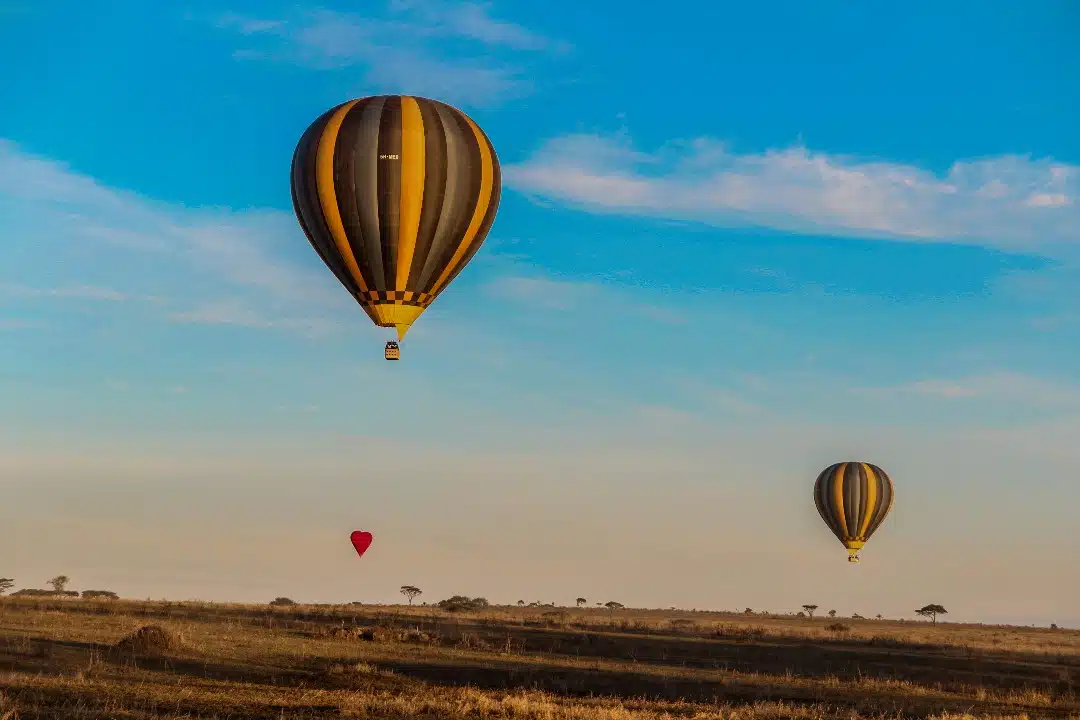
Balloons fly over the northern Serengeti at dawn, drifting above the herds and the river country. The flight ends with a bush breakfast. Seats are limited in season, so book this one well ahead.
03 — Evening drives and bush dinners
Evening drives and bush dinners
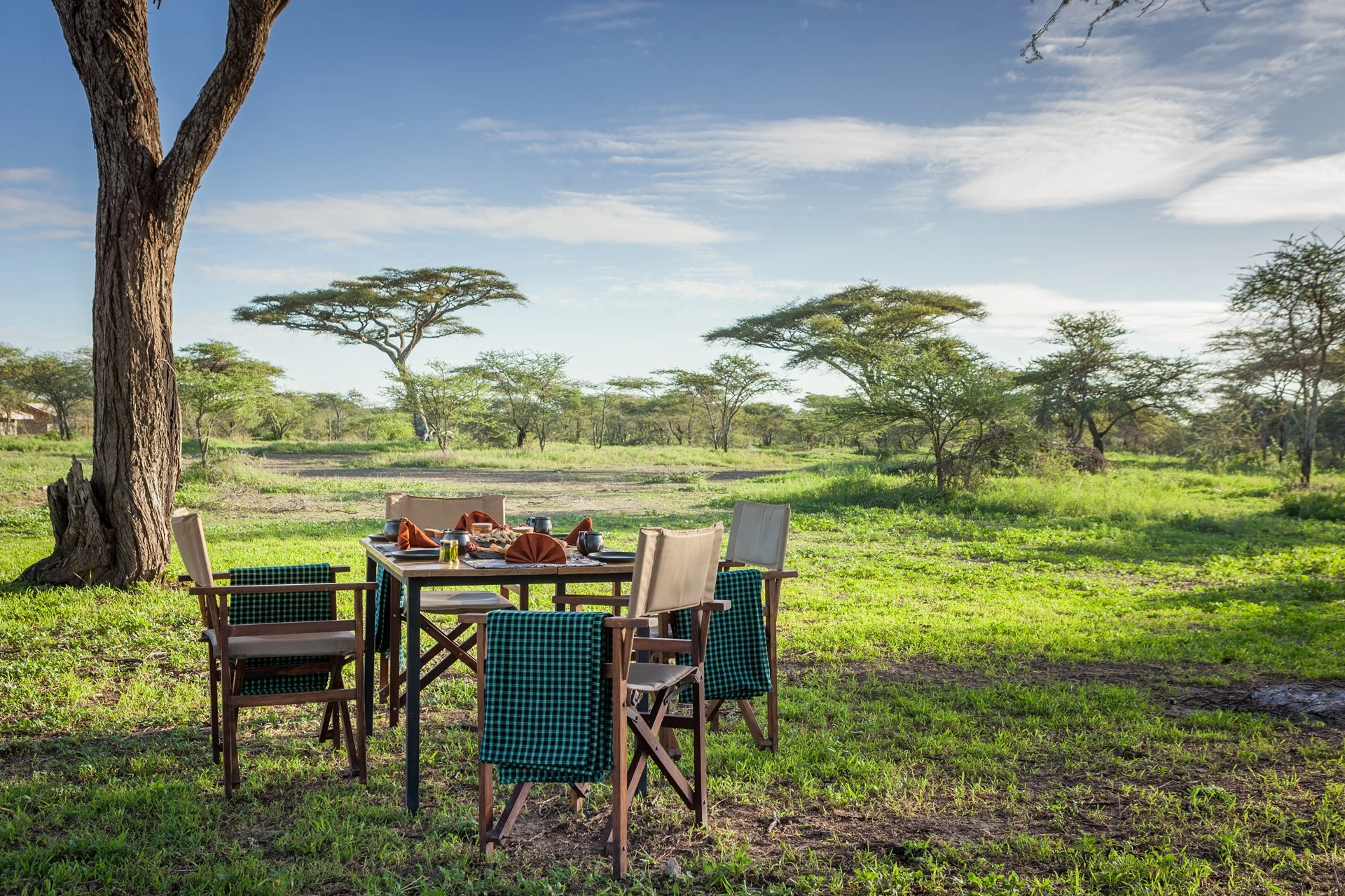
The day can end with an evening drive and a bush dinner under the stars. These need advance notice, and our team arranges the rest.
04 — Watching from camp
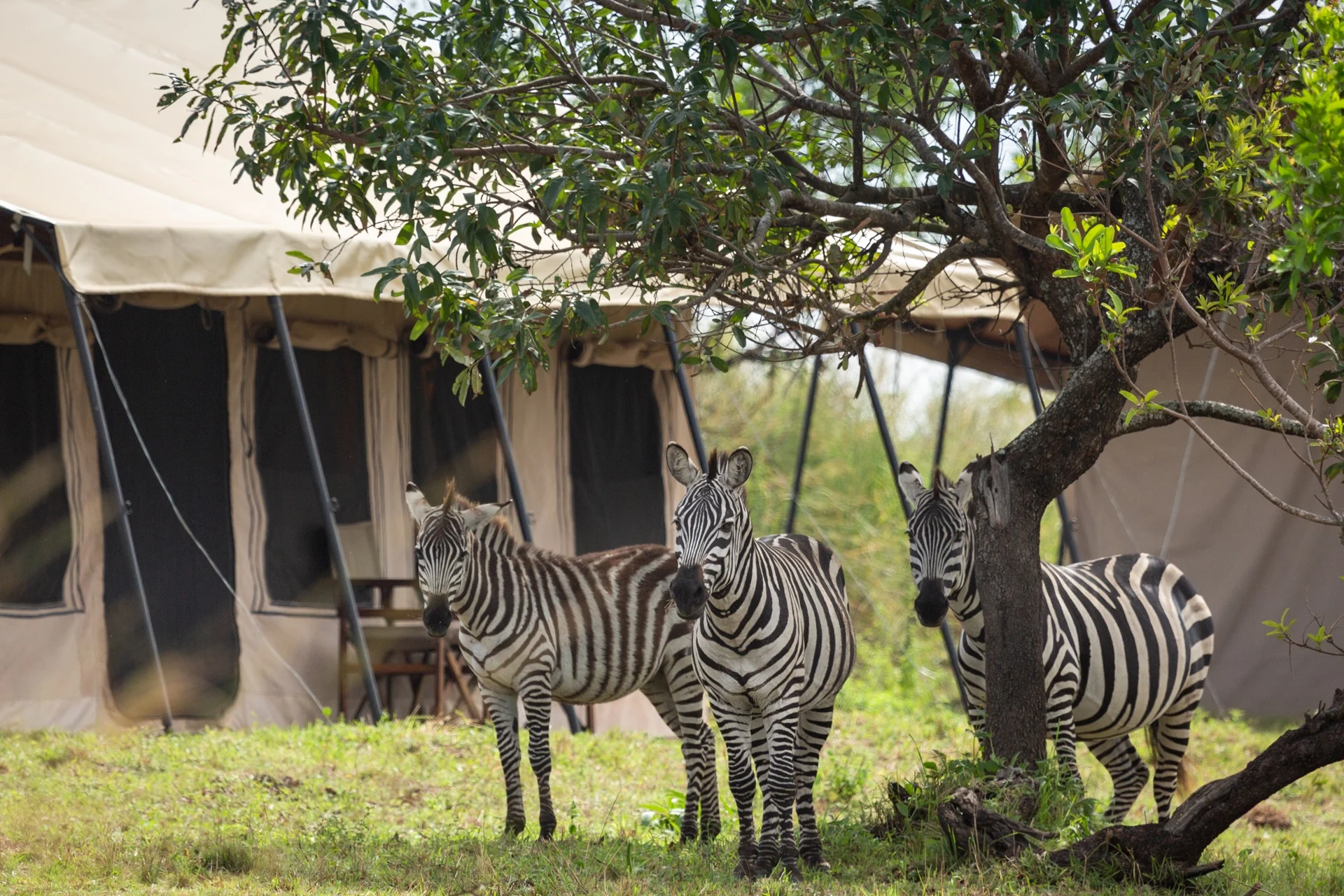
Watching from camp
The waterholes near camp draw animals through the day, and elephants sometimes feed by the entrance. Between drives, a deck chair and binoculars do real work here.
Rates and Booking at Our Mara River Migration Camp
Rack rates, per person per night, full board. One rate applies across the season:
| Room type | 1 June – 15 November |
|---|---|
| Single (single occupancy) | $350 |
| Double / Twin (per person sharing) | $286 |
| Triple (per person sharing) | $262 |
| Family Suite (per person sharing) | $265 |
Included
Full board meals (breakfast, packed lunch or lunch, dinner), Wi-Fi in main areas, VAT and government fees, parking.
Not included
Serengeti park entrance fees, concession fees, and campsite fees, which TANAPA collects separately, drinks from the bar, activities such as balloon flights and bush dinners, transfers, gratuities.
For a camp minutes from the crossing points, these rates are best-value luxury. The crossing weeks from July to September sell out first, so enquire early for those dates.
Check live availability, or send us an enquiry, and we will reply with dates and a full quote.
What Our Guests Say
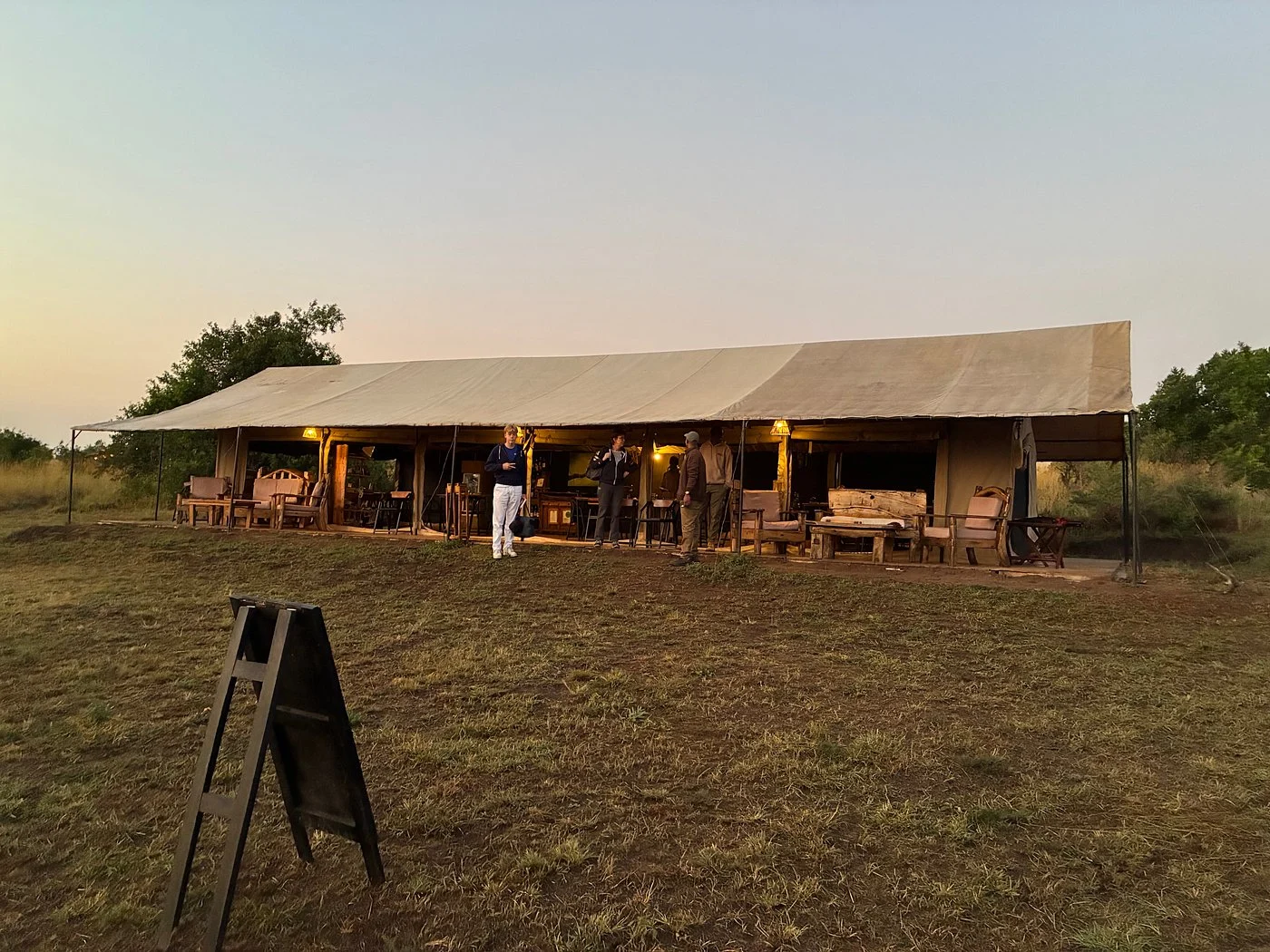
Marcel Z, July 2026
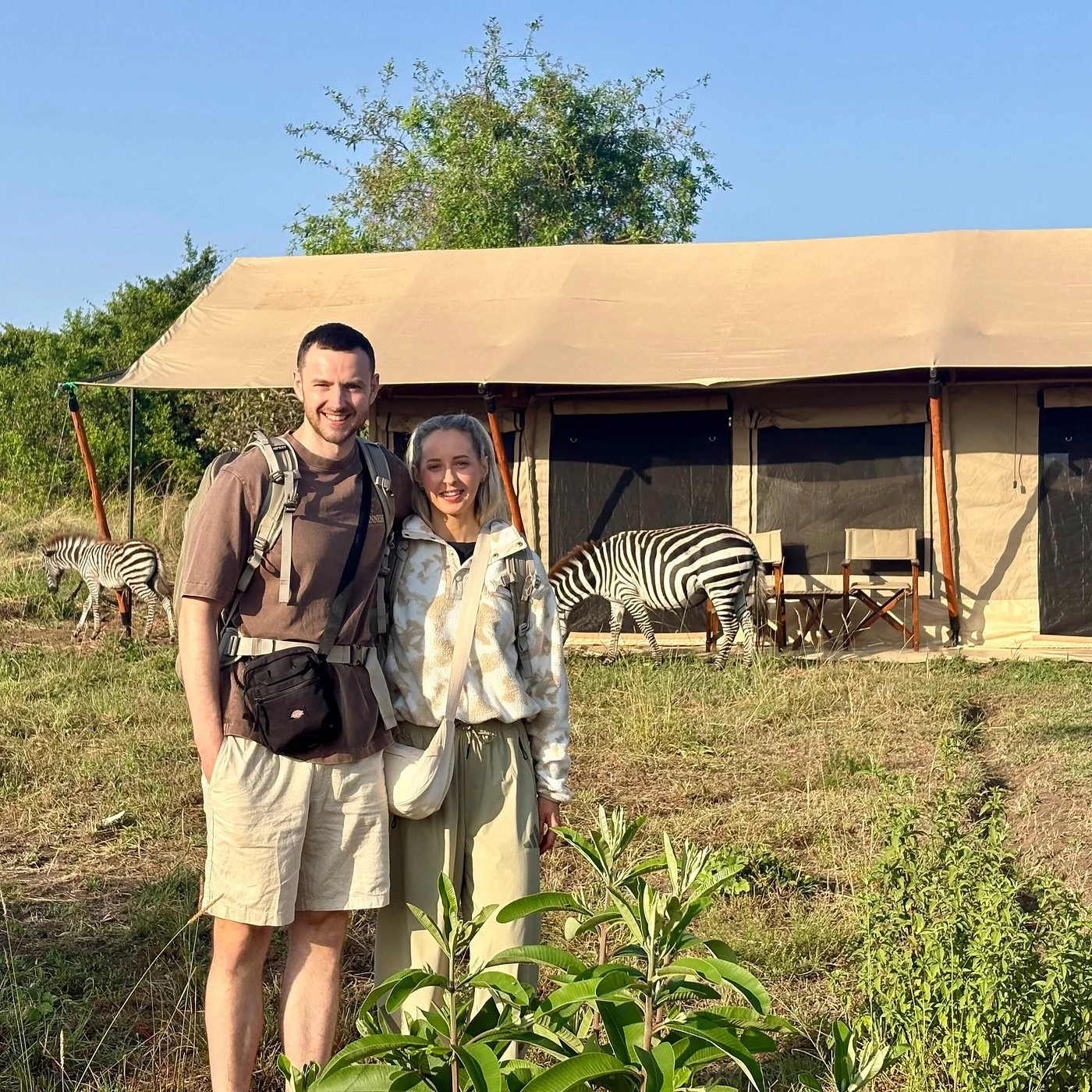
Edel M, July 2026
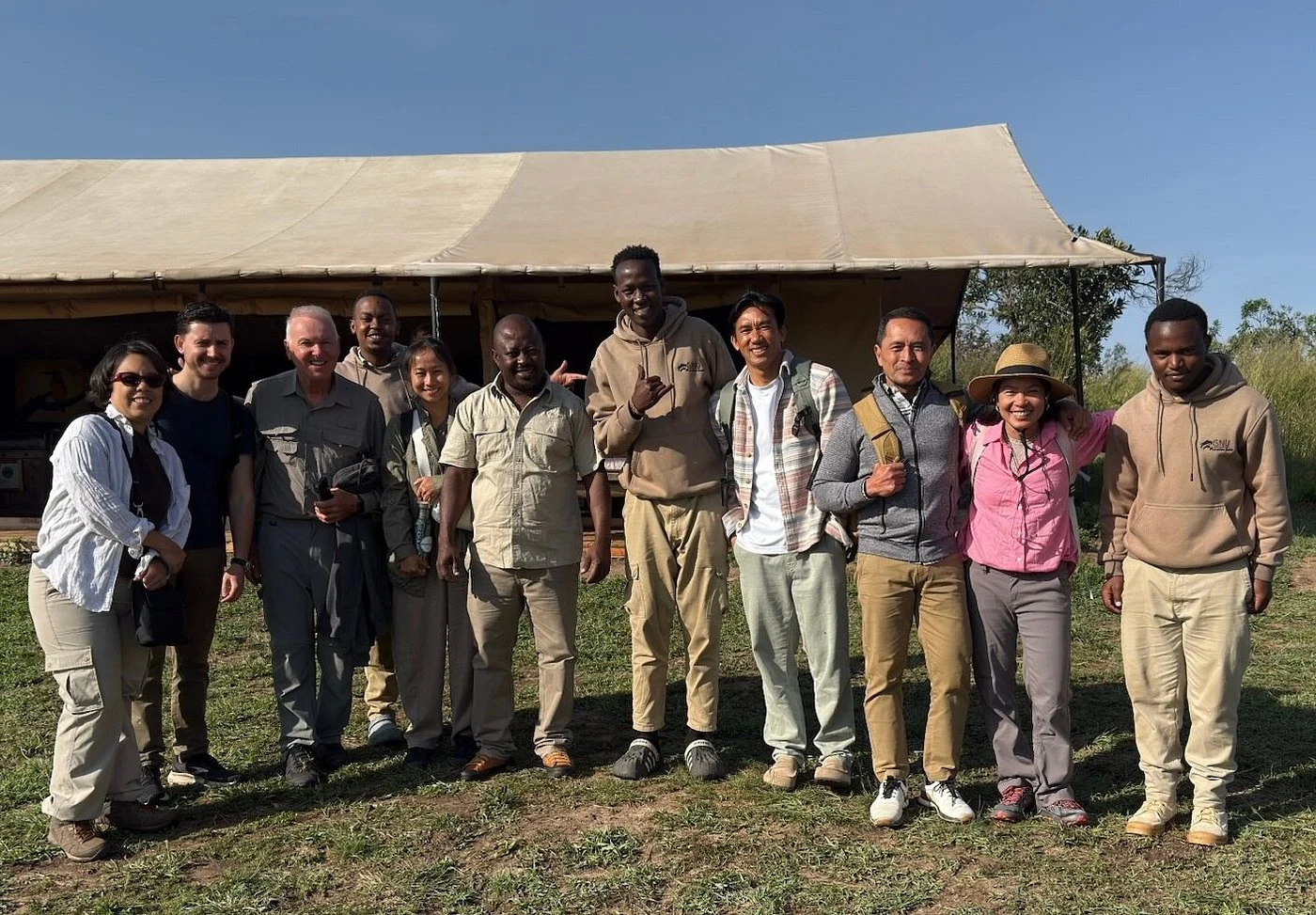
“Gnu migration camp “
J D, Oct 2025
Read all our reviews on TripAdvisor under Gnu Mara River Migration Camp, the listing that travels with us. Guests return most often to three subjects: the staff, the food, and the river.
Frequently Asked Questions
The same river and the same herds serve both sides. The Serengeti side in Tanzania offers a longer window, since the herds cross here in both directions from July to mid-November. Kogatende also stays quieter than the busiest parts of the Masai Mara. Our camp stands on the Serengeti side, 40-45 minutes from the crossing points.
The main window runs from July to October, with crossings continuing into early November. Within that window, crossings happen on no fixed schedule. The herds cross in both directions, many times, following rain and grass.
No, and no honest camp will promise one. The herds decide when to cross. What improves your odds is time and position. Staying three nights during the season, five minutes from the crossing points, gives you very good chances.
The camp is in the Kogatende area of the northern Serengeti near Kichwa Tembo, in Tanzania. It is on the Tanzanian side of the border, inside Serengeti National Park.
Kogatende Airstrip, with daily flights from Arusha and connections from Zanzibar and elsewhere. The transfer to camp is a game drive of about forty minutes.
The camp operates in Kogatende from 1 June to 15 November each year. Outside those dates, it moves south and runs as Gnu Ndutu Camp for the calving season, from late December to the end of March.
Because the migration moves. The camp follows the herds between the Mara River in the north and the Ndutu plains in the south. You always book the camp where the migration actually is.
Rates are per person per night, sharing a tent, on full board. A couple in a double tent pays twice the listed rate for the tent. Park, concession, and campsite fees are separate, and TANAPA collects them.
Yes. Two family tents keep parents and children in one unit, and the triple tents suit small families. Tell us the ages of your children when you enquire, so we can advise on river days.
Yes. We arrange everything from single game drives to complete multi-day safaris across the Northern Circuit, with our own vehicles and guides.
Continue Your Safari With Mawe Lodges
Gnu Mara River Camp is one of five Mawe properties across northern Tanzania. Many guests link two or three of them in one route.
Gnu Ndutu Camp
The same camp in its southern season, for the calving months.
Mawe Tented Camp
Resident big cats in the central Serengeti, all year.
Karatu Tented Lodge
Your base near Ngorongoro Crater, on the road route.
Baobab Tented Camp
Your nights inside Tarangire National Park.
Tanzania · Northern Circuit
Book your stay with Mawe Lodges
Our own lodges and camps, our own guides, our own 4×4 vehicles. One team from arrival to departure.
-
12+
years operating -
Own
lodges & camps -
Own
guides & 4×4 vehicles