Tanzania · Ngorongoro

Ngorongoro Crater Safari
A Ngorongoro Crater safari puts you inside an extinct volcano with around 25,000 large animals. Lions hunt on the open grass. Black rhinos graze near the swamps. Elephants with huge tusks feed along the forest edge. Few places in Africa pack this much wildlife into one morning.
The crater sits in northern Tanzania, about 180 km west of Arusha. It forms the heart of the Ngorongoro Conservation Area, a UNESCO World Heritage Site. Here, Maasai herders and wild animals have shared the land for generations. That mix of culture and wildlife makes this place unlike any national park.
We are Mawe Lodges, a local safari company based in Arusha. Our lodge in Karatu sits a short drive from the crater gate. Therefore, our guests often reach the crater floor before the crowds arrive. This guide covers everything you need: wildlife, costs, the best time to visit, and how to plan your trip.
The Caldera

What Is a Ngorongoro Crater Safari?

A Ngorongoro Crater safari is a game drive across the floor of a collapsed volcano. The volcano erupted and caved in around two to three million years ago. Some geologists believe the original peak matched Kilimanjaro in height. Today, the caldera holds grassland, forest, swamps, and a soda lake.
The crater belongs to the wider Ngorongoro Conservation Area, which covers 8,292 km². This area also includes Olduvai Gorge, the Empakaai Crater, and part of the southern Serengeti plains. Unlike a national park, the conservation area allows Maasai communities to live and graze cattle inside it.
The Big Five

Why the ngorongoro Crater is Best for Big Five

The crater walls create a natural bowl with water and grass all year. As a result, most animals stay on the floor instead of migrating. This gives Ngorongoro the highest density of large predators and grazers in Africa. Many visitors see the Big Five in a single day.

Animals You Will See

Around 60 to 70 lions live in prides across the crater floor. In addition, the crater protects one of East Africa’s last stable black rhino populations. Spotting a rhino here is far easier than anywhere else in Tanzania.
Old elephant bulls with heavy tusks feed near the Lerai Forest. Buffalo herds move across the plains in large numbers. Leopards are shy, yet guides sometimes find them along the forested rim.
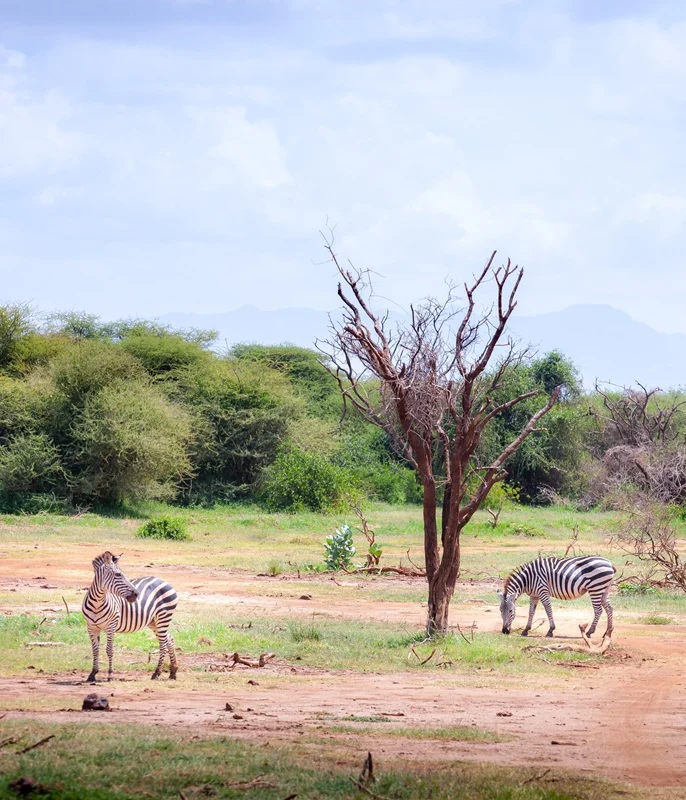
You will also see hyenas, zebras, wildebeest, gazelles, hippos, and jackals. Meanwhile, Lake Magadi in the crater centre draws flocks of pink flamingos. Birders can record some of the 400 plus species found in the area.
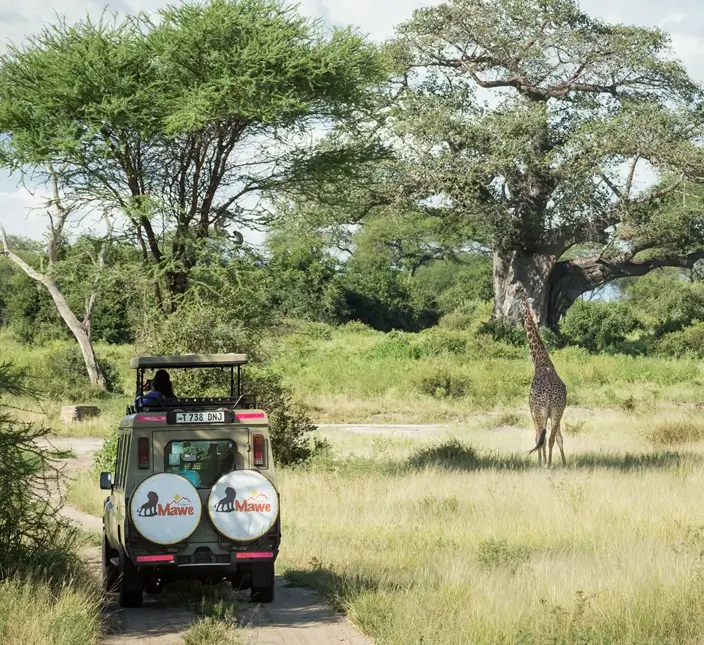
One honest note: giraffes do not live inside the crater. The steep walls and short grass do not suit them. You will see giraffes in Tarangire or Lake Manyara instead, so plan your route with that in mind.
When to Go

Best Time to Visit the Ngorongoro Crater

The crater offers strong game viewing in every month. Animals stay inside the caldera all year, so there is no bad season. However, each period has its own advantages.
The dry season runs from June to October. Short grass makes animals easy to spot, and the roads stay firm. On the other hand, this is also the busiest period on the crater floor.
The green season covers November to May. Rains fall mostly in short afternoon bursts. Fewer vehicles enter the crater, lodge rates drop, and the scenery turns bright green. Moreover, from December to March, wildebeest calve on the nearby Ndutu plains. You can pair the crater with the Great Migration during these months.
MonthWeatherWildlife ViewingCrowds
Jan - FebWarm, some rainExcellent, calving in Ndutu nearbyModerate
Mar - MayLong rainsVery good, lush sceneryLow
Jun - OctDry, cool morningsExcellent, easiest spottingHigh
Nov - DecShort rainsVery good, green landscapeLow to moderate
Our advice is simple. Pick June to October if you want the classic dry season drive. Pick April, May, or November if you prefer quiet roads and lower prices.
Experiences

Top Things to Do on a Ngorongoro Safari

Crater Floor Game Drive

The main event is a full day on the crater floor. Vehicles descend at sunrise, follow the road network, and stop at a hippo pool for a picnic lunch. Park rules keep vehicles on the tracks, which protects the grassland.

Maasai Village Visits

Maasai families live across the conservation area. A guided visit to a boma shows daily life, cattle herding, and traditional dance. We work with communities that welcome guests on fair terms.

Empakaai Crater Hike

Empakaai is a smaller, quieter caldera northeast of Ngorongoro. A steep forest trail leads down to a soda lake ringed with flamingos. Few travelers make it here, so you often hike alone with your ranger.

Olmoti Crater Walk

Olmoti offers a gentle hike to a waterfall and wide highland views. It suits families and anyone who wants to stretch their legs after game drives.

Olduvai Gorge

Olduvai Gorge sits between the crater and the Serengeti. Archaeologists found some of the oldest human fossils here. Consequently, many call it the Cradle of Mankind. The small museum makes a rewarding stop on the drive west.

Walking on the Crater Rim

Walking is not allowed on the crater floor. Still, guided walks along the rim and through the highlands are possible. Our walking safaris page covers the routes we recommend.
The Day

What a Day on Safari Looks Like in Ngorongoro Crater
Our guests in Karatu leave the lodge around 6:00 am with packed breakfast boxes. The vehicle reaches Loduare Gate soon after it opens. Then the descent road drops 600 m to the crater floor in golden morning light.
Predators are most active in the first hours. Lions often walk the tracks before the sun gets hot. By midday, you stop for lunch beside the hippo pool. Afterwards, the drive continues through the Lerai Forest and along Lake Magadi.
Vehicles must climb out of the crater by late afternoon. Finally, you return to the lodge for a hot shower and dinner by the fire.
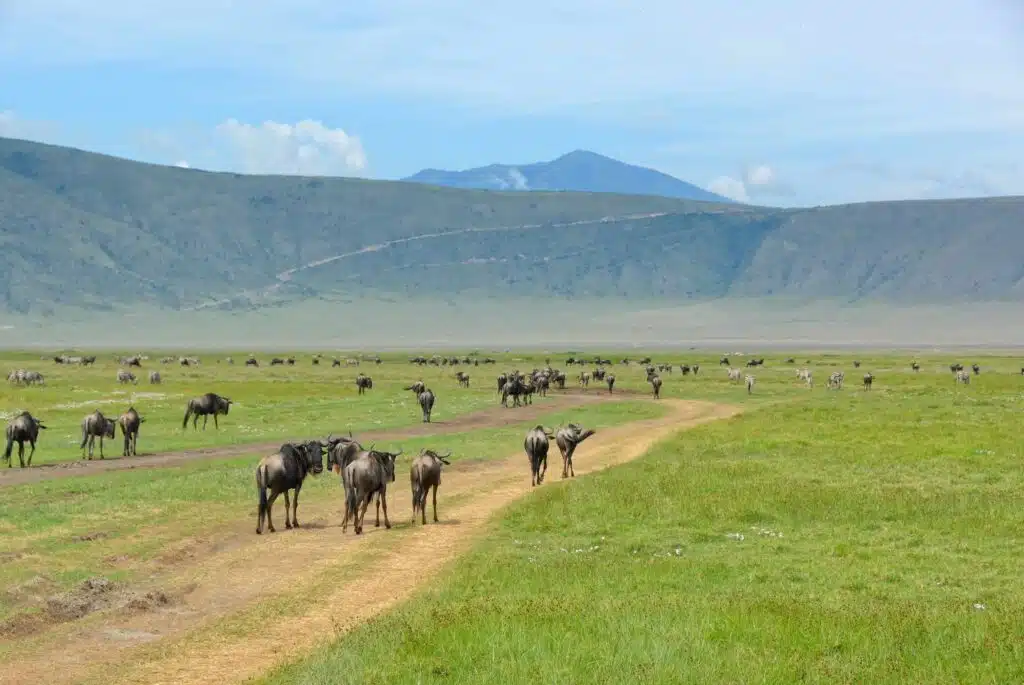
A large herd of wildebeests and zebras walking along a dirt track on the lush green floor of the caldera, with the towering volcanic crater walls in the background during a Ngorongoro Crater Safari.
Getting Here

How to Get to the Ngorongoro Crater

Most travelers fly into Kilimanjaro International Airport near Arusha. From Arusha town, the drive to the crater takes about three hours on a paved road. The route passes Lake Manyara and the farming town of Karatu.
You can also fly to the Lake Manyara airstrip from Arusha or the Serengeti. A road transfer then takes you up to the highlands. Flying saves time, yet driving costs less for groups.
Most itineraries combine the crater with Tarangire, Lake Manyara, and the Serengeti. Together, these parks form the famous Northern Circuit.

Ngorongoro Crater Day Trip from Karatu

You do not need a rim lodge to enter the crater early. Karatu sits just outside the conservation area gate. From our Karatu Tented Lodge, the gate is a short morning drive away.
Therefore, a full day trip from Karatu is easy and costs far less than rim accommodation. You get the same crater, the same animals, and a warmer night at a lower altitude. For many travelers, this is the smartest way to plan a Ngorongoro Crater safari on a budget.
Costs

Ngorongoro Safari Cost and Park Fees

Park fees make up a large part of any Ngorongoro Crater safari cost. The table below shows the official conservation area fees for the 2025/26 season. All fees attract 18% VAT.
FeeNon-resident Rate
Conservation area entry, adult$60 per 24 hours
Conservation area entry, child (5 to 15)$20 per 24 hours
Children under 5Free
Crater service fee$250 per vehicle per descent
On top of fees, your trip cost covers the vehicle, guide, fuel, meals, and accommodation. As a rough guide, a group day trip from Karatu starts around [From $XXX] per person. A private three day mid-range safari, including the crater and Lake Manyara, starts around [From $XXX] per person.
Our quotes always include park fees, so you never face surprise charges. Fees verified in July 2026. We update this table every season.
Where to Stay

Where to Stay: Crater Rim or Karatu?

You have two main choices near the crater. Rim lodges sit on the crater edge with direct views of the floor. However, they cost the most, and nights on the rim get cold.
Karatu offers coffee farms, gardens, and a wider range of lodges. Prices are lower, evenings are warmer, and the gate is close. In our view, Karatu gives the best balance of comfort, access, and value.

Our Lodges and Camps

Our base near the crater, set among gardens outside Karatu town. Guests reach Loduare Gate within a short morning drive.
Located near Tarangire National Park, about 1.5 hours from Karatu. It pairs well with the crater on a Northern Circuit route.
A seasonal camp in the Ndutu area, open from mid December to the end of March. Stay here to combine the crater with the calving season.
Sample Routes

Ngorongoro Safari Itineraries and Packages

Every trip we run is private and tailored. Even so, these sample routes show what works well:
1 Day
Ngorongoro Crater Day Trip. Full crater game drive from Karatu with picnic lunch. From 760$ per person, inclusive of accommodation
3 Days
Crater and Lake Manyara. Two parks, one relaxed pace, ideal for short holidays. 1448$ per person, inclusive of accommodation
5 Days
Tarangire, Manyara, and Ngorongoro. The classic short Northern Circuit.
7 Days
Crater and Serengeti Migration. Add Ndutu or central Serengeti for the full circuit.
Culture

The Maasai and the Conservation Area

The Ngorongoro Conservation Area began in 1959 as a shared landscape. Maasai pastoralists graze cattle across the highlands, as they have for centuries. The name itself comes from the Maasai word for the sound of cowbells.
When you visit a boma, part of your fee goes to the host family. We ask guests to travel with respect, ask before taking photos, and buy crafts directly from makers.
Good to Know

Practical Tips for Your Crater Safari

Pack warm layers. The rim sits above 2,200 m, so dawns feel cold even in dry season. A fleece, a windproof jacket, and a hat cover most mornings.
Bring binoculars and a camera with a zoom lens. Animals often sit close to the tracks, yet rhinos may stand far out on the plains.
Enter the gate early. The first vehicles on the floor get the best predator sightings and the quietest roads. Also, carry your passport for park registration, and drink bottled water through the day.
Most visitors need a Tanzania visa, and many apply online before travel. Ask your doctor about malaria protection for the wider safari circuit.
Questions

Ngorongoro Safari FAQs

Is the Ngorongoro Crater worth visiting?

+

Yes. The crater holds Africa's densest big game population inside a dramatic volcanic bowl. Most travelers rate it among the top highlights of any Tanzania safari, even on a short visit.

Can you see the Big Five in the Ngorongoro Crater?

+

Yes, and often within one day. Lions, buffalo, elephants, and rhinos are seen on most drives. Leopards are harder, yet guides spot them along the forested slopes.

How much does a Ngorongoro Crater safari cost?

+

Park fees start at $60 per adult, plus a $250 crater vehicle fee. A full day trip from Karatu starts around [From $XXX] per person. Multi day packages cost more, depending on lodges and group size.

How many days do you need in the crater?

+

One full day on the crater floor covers it well. Two nights nearby works best, so you can enter the gate at sunrise without rushing.

What is the best time of day to enter the crater?

+

Sunrise. Predators hunt in the cool early hours, and the roads stay quiet. Vehicles arriving after mid morning meet more traffic and less action.

How far is the crater from Arusha?

+

About 180 km, which takes roughly three hours by road. From Kilimanjaro International Airport, add another hour.

Can you do a Ngorongoro Crater day trip?

+

Yes. Day trips run easily from Karatu, which sits close to the entry gate. Our Karatu Tented Lodge makes an ideal base for an early start.

Are there giraffes in the Ngorongoro Crater?

+

No. The steep walls and short grass do not suit giraffes. You can see them in nearby Tarangire, Lake Manyara, or the Serengeti instead.

Can you stay inside the crater?

+

No lodges exist on the crater floor. Accommodation sits on the rim or in Karatu, and vehicles must leave the floor before evening.

Is Ngorongoro better than the Serengeti?

+

They offer different things. The crater gives dense wildlife in one compact day. The Serengeti gives space, the migration, and longer drives. Most itineraries include both, and we recommend that.

How busy does the crater get?

+

Peak season mornings bring many vehicles, especially from July to October. An early gate entry or a green season visit keeps your drive much quieter.

Do you need a 4x4 vehicle?

+

Yes. Only 4x4 vehicles may descend the crater roads. All our safaris use custom Land Cruisers with pop-up roofs.

Plan Your Safari

Plan Your Ngorongoro Crater Safari With a Local Team

Our guides live and work in northern Tanzania. We know the gate times, the quiet corners, and the best picnic spots. Send us your dates, and we will build a crater itinerary around your budget.