Tanzania · The Elephant Park

Tarangire Safari

A Tarangire safari is the smartest decision most Tanzania travelers never make. The crowds rush past toward the Serengeti. They leave behind the park with the biggest elephant herds in northern Tanzania. So the real questions deserve answers. What makes Tarangire special, when should you visit, and is it worth adding to your route?
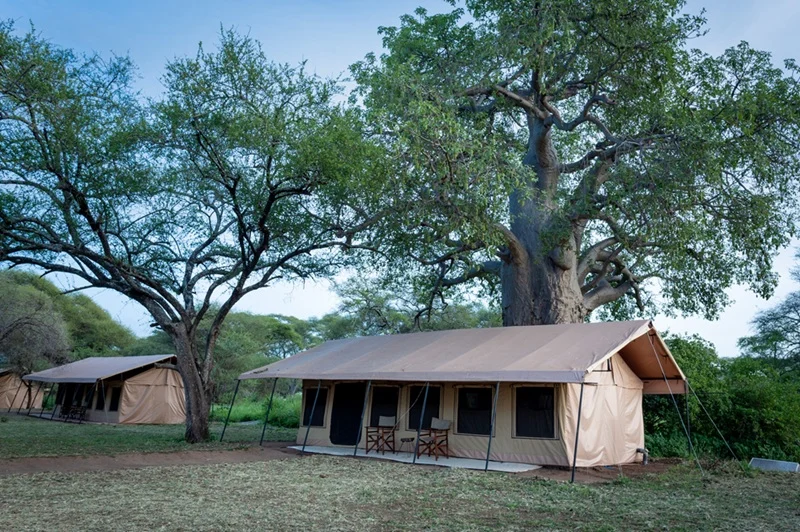
We can answer from the inside, literally. Mawe Lodges runs Baobab Tented Camp within the Tarangire ecosystem, among the ancient trees the park is named for. From camp, we offer the park’s full activity menu: game drives, night drives, walking safaris and balloon flights. No other northern park allows that range, and few operators deliver all of it.
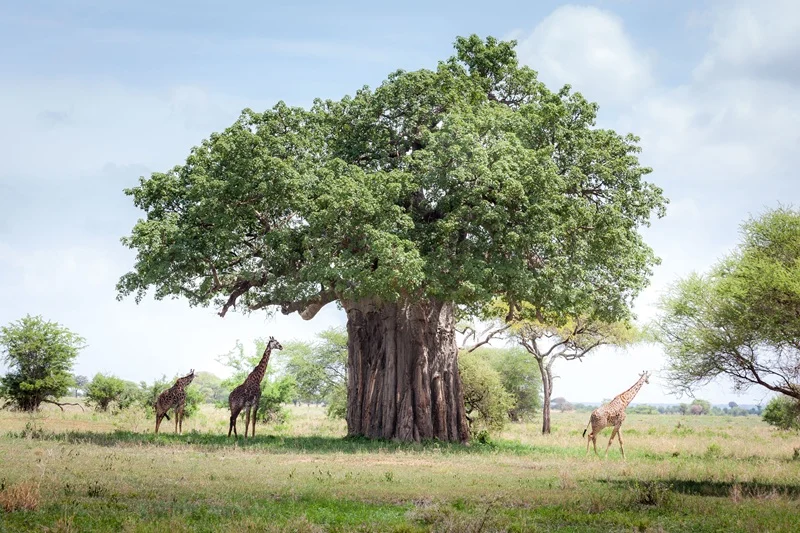
Three wild giraffes standing and walking near a massive, ancient baobab tree in the grassy savannah during a tarangire safari.
Why Tarangire

Why Go on a Tarangire Safari?

Tarangire is the underdog of Tanzania’s Northern Circuit, and that is exactly its charm. The park covers 2,600 square kilometres of baobab woodland, river valley and swamp. Yet it receives fewer visitors than any of its famous neighbors. Consequently, you watch huge wildlife concentrations without a queue of vehicles behind you.
The park sits about two hours’ drive from Arusha, which makes it the natural first stop on the circuit. Many travelers give it a rushed half day. That is the mistake. Stay two nights, add a night drive, and Tarangire often becomes the trip’s surprise favorite.
Activities

Best Tarangire Safari Activities

Here is Tarangire’s quiet superpower. TANAPA permits a wider activity range here than in any other northern park, so your days go beyond the vehicle.
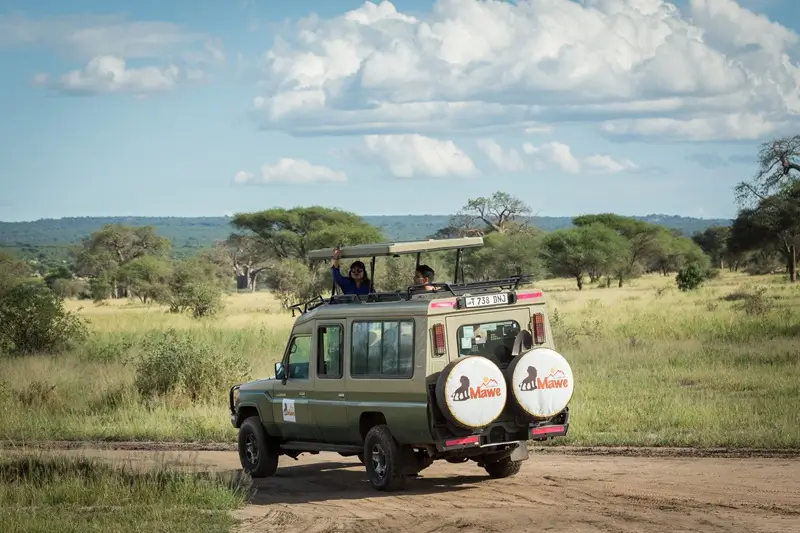
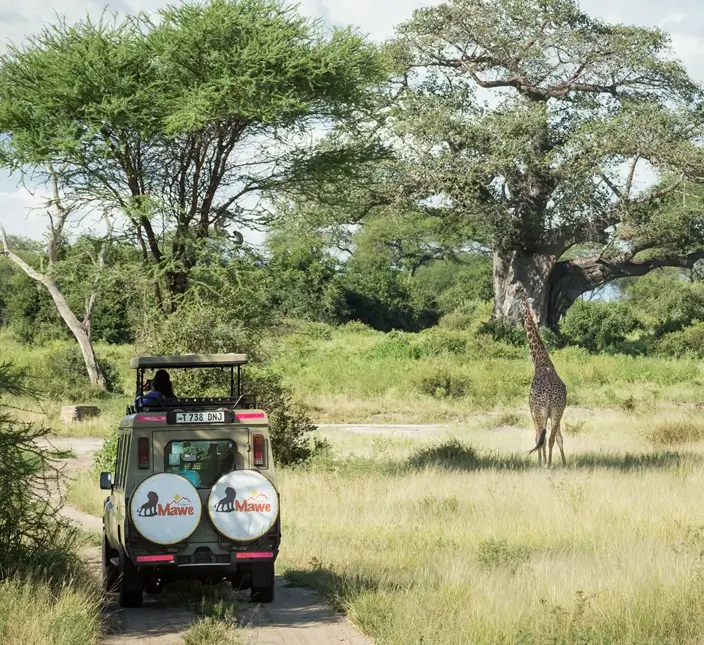
  • Game drives trace the river and the elephant highways, morning to sunset.
  • Night game drives reveal leopards, genets and bush babies by spotlight. Only permitted operators may run them, and we do.
  • Walking safaris put you on the ground with a guide and an armed ranger.
  • Balloon flights drift over the baobabs at sunrise.
  • Bike rides roll through the wildlife area along the park's border.
Therefore, a two-night stay never repeats itself. Drive at dawn, walk at midday height, and hunt eye-shine after dinner.
The Elephants

Why Tarangire Safari Is Famous for Elephants
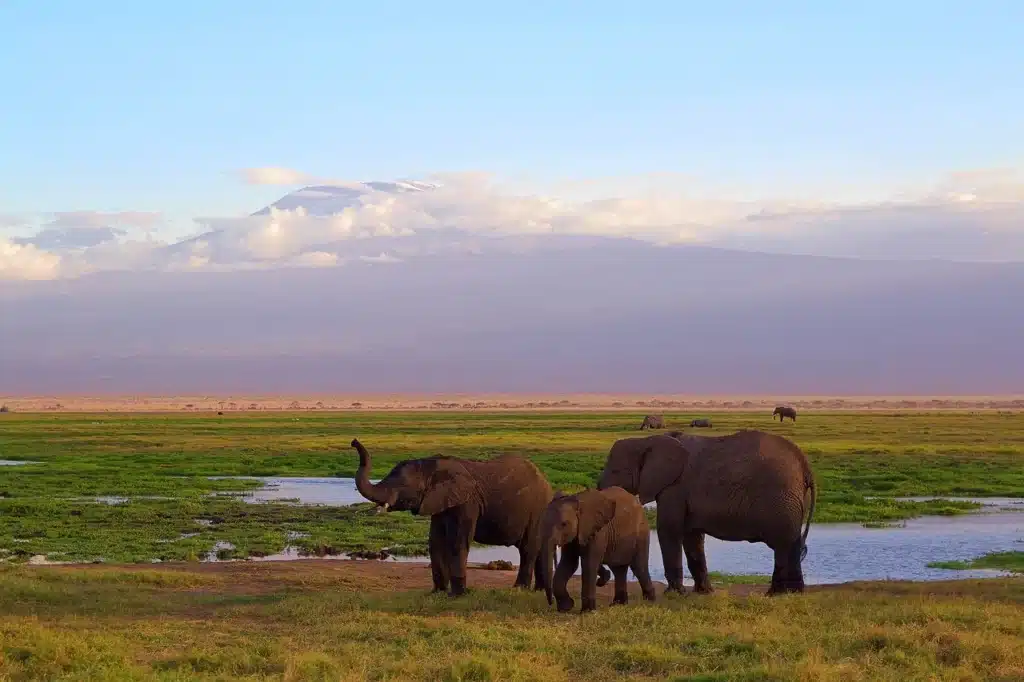
One animal defines Tarangire, and it weighs six tonnes. The park holds the highest concentration of elephants in northern Tanzania, with herds of up to 300 moving together. Watch them dig the dry riverbed for water, dust-bathe under the baobabs and shepherd tiny calves past your vehicle.
The dry season turns the spectacle up further. The Tarangire River becomes the only reliable water for miles, and the ecosystem responds. Around 250,000 animals converge on the park from the surrounding Maasai Steppe. Wildebeest, zebra, buffalo and eland pour in, and the predators follow. People call it the mini migration, but nothing about it feels small.
Where to Stay

Where to Stay on a Tarangire Safari

Safari experts give the same advice about Tarangire, and we agree completely. Stay inside, not at the highway lodges beyond the gate. Commuting in and out burns the best light of the day at the entrance queue.
Our Baobab Tented Camp solves this the simple way. Ten en-suite tents stand within the Tarangire ecosystem, on the wildlife corridor toward Lake Burunge. Elephants pass the tents, the night drive starts at your doorstep, and dawn finds you already among the herds. The camp holds a Tripadvisor Travelers’ Choice award for 2025.
The Landscape

Landscapes to Explore During Tarangire Safari

Tarangire looks like nowhere else on the circuit. Giant baobabs, some more than a thousand years old, stand across the hills like monuments. One famous tree, the Poacher’s Hide, is hollow enough to hold a hidden chamber inside its ten-metre trunk.
The south holds the Silale Swamp, a green magnet for elephants and big cats through the dry months. In addition, Tarangire shelters dry-country rarities the Serengeti cannot show you. Look for the long-necked gerenuk and the fringe-eared oryx. Birders do even better, because more than 550 species fill the park, from yellow-collared lovebirds to giant vultures.
When to Go

Best Time for a Tarangire National Park Safari

July to October is the headline season for a Tarangire safari. The river pulls the ecosystem’s wildlife into the park, and the grass drops low. Game viewing rivals the Ngorongoro Crater, with a fraction of the vehicles. June and November bracket the peak nicely, with fewer visitors still.
The green season tells a different story, and an honest one. From November to March, many grazers disperse onto the Maasai Steppe, though the elephants and predators remain. Birding peaks, landscapes glow, and rates drop. However, avoid April and May. The long rains flood tracks, and several camps close.
The Choice

Tarangire vs Serengeti: Which Should You Choose?

Both, ideally, because they do different jobs. The Serengeti delivers scale, the migration and big cat density across endless plains. Tarangire delivers elephants, baobabs, activity variety and solitude. The habitats barely overlap, so nothing feels repeated.
Short on time? Let the season decide. During the July to October window, Tarangire’s river spectacle justifies two full days. Pair it with the Serengeti on a five to seven day route, and you cover both worlds.
Getting Here

Getting to Tarangire National Park for Your Safari

The park entrance lies roughly 120 kilometres from Arusha, an easy morning’s drive on good roads. Most itineraries place Tarangire first, then continue west to Karatu, Ngorongoro and the Serengeti. Fly-in routes also work, with a regional airstrip serving the park.
We arrange the full route either way. Transfers, park fees and activities arrive pre-booked, so your trip starts moving the moment you land.
Costs

What Does a Tarangire Safari Cost?

Tarangire runs cheaper than the Serengeti, which strengthens its value case. Park entry costs roughly 50 to 60 US dollars per person per 24 hours, including VAT. Activity fees, such as the night drive permit, are charged separately by TANAPA.
Accommodation sets the rest of the budget. Our Baobab Tented Camp rates include VAT and government fees, with park fees itemized in your quote. Tell us your dates and group size, and we will price the whole stay transparently.
Questions

Frequently Asked Questions

What is Tarangire National Park famous for?

+

Tarangire is famous for the highest elephant concentration in northern Tanzania and its giant baobab trees. The dry season draws around 250,000 animals to the Tarangire River. The park also permits more activity types than any other northern park.

When is the best time to visit Tarangire?

+

July to October offers the best wildlife viewing, when animals crowd the river. June and November are quieter shoulder months. Avoid April and May, when heavy rains flood tracks and some camps close.

How many days do you need in Tarangire?

+

Plan two nights as the sweet spot for a Tarangire safari. That allows full-day game drives, a walking safari and a night drive without rushing. Day trips only scratch the northern corner of the park.

Is Tarangire worth visiting compared to the Serengeti?

+

Yes, because the two parks barely overlap. Tarangire brings elephants, baobabs and quiet tracks, while the Serengeti brings the migration and big cats at scale. The best itineraries include both.

Are night game drives allowed in Tarangire?

+

Yes, Tarangire is one of the few Tanzanian parks that permits night drives, through licensed operators only. We run them from Baobab Tented Camp with a guide and spotter. Book at least 24 hours ahead.

What animals will I see on a Tarangire safari?

+

Elephants dominate, alongside lions, leopards, buffalo, giraffes and zebra. Dry-country specials include gerenuk and fringe-eared oryx. Birders can chase more than 550 recorded species.

How far is Tarangire from Arusha?

+

About 120 kilometres, roughly a two to two and a half hour drive. That makes Tarangire the closest major park to Arusha. Most safaris visit it first on the Northern Circuit.

How much does a Tarangire safari cost?

+

Park entry runs roughly 50 to 60 US dollars per person per 24 hours, including VAT. Activities and accommodation set the rest. Tarangire generally costs less than the Serengeti for a comparable stay.

Where should I stay in Tarangire?

+

Stay inside the park ecosystem rather than at the gate lodges. Our Baobab Tented Camp offers ten en-suite tents. Game drives, night drives, walks and balloon flights all start from the doorstep.

Plan Your Safari

Plan Your Tarangire Safari

Give Tarangire the two nights it deserves. Send us your dates, and we will build your stay around the elephants, the river and the night shift.