Bird watching safari Tanzania
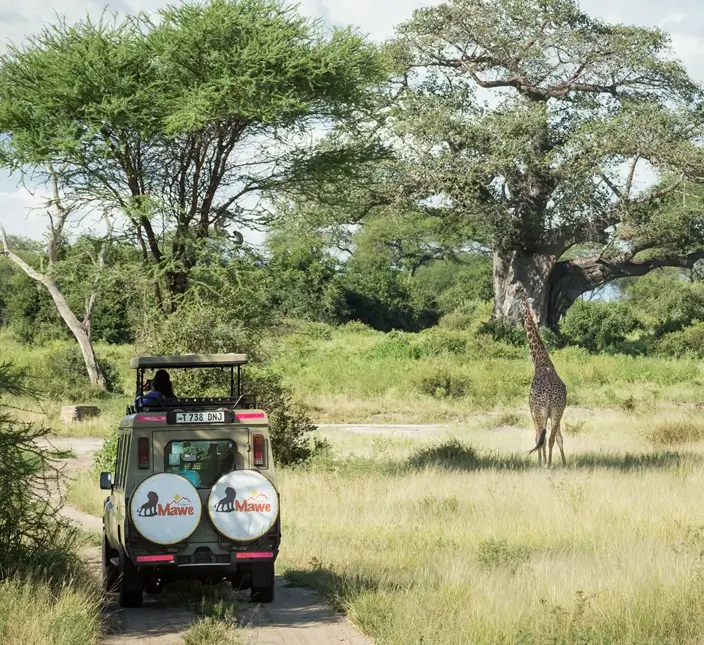
You don’t book a separate trip to watch birds in northern Tanzania. The birds are along every game drive, and on a private vehicle you can stop for a martial eagle or a nesting weaver as long as you like, then carry on to the lions.
Karatu Tented Lodge is the base for the best of it. Lake Manyara, with more than 400 species, is 20 minutes away. The Ngorongoro Crater and its flamingos are 30 minutes. Lake Eyasi is 45. Add the Serengeti and Tarangire and a single trip covers most of what a bird watching safari Tanzania can show you.
We’ve run our own guides and 4×4 Land Cruisers here since 2014, so the guide in your vehicle knows the calls and the nesting sites, not just the big cats.
Is Tanzania good for bird watching?
Yes. Tanzania has more than 1,000 recorded bird species, and the northern circuit alone covers savanna, soda lakes, groundwater forest and the Rift Valley escarpment, so the range of birds in a week is wide. Residents are joined by migrants from Europe and Asia from about November, which is when the birding is richest.
You see them alongside the wildlife rather than instead of it. A morning drive for elephants in Tarangire turns up hornbills, rollers and raptors in the same hour. That is the difference between a bird watching safari here and a specialist trip somewhere the birds are the only draw.
Birds you’ll see on a Tanzania safari, park by park
Each park on the circuit has its own habitat and its own birds. Here is what to look for in each, and which of our camps puts you closest.
Serengeti
The Serengeti has more than 500 recorded species across its plains, woodland and kopjes. Two are worth the trip on their own: the Fischer’s lovebird, a small green and orange parrot near-endemic to northern Tanzania, and the grey-breasted spurfowl, found only in the Serengeti ecosystem. On the open plains you’ll see the kori bustard, the secretary bird striding after snakes, and the lilac-breasted roller. Raptors and vultures work the sky over the herds.
Mawe Tented Camp is at Soit Le Motonyi in the central Serengeti, on the Ngarenanyuki River, open all year from $182 per person per night on full board. In the far north, Gnu Mara River Camp is 40 to 45 minutes from the Mara River and open 1 June to 15 November.
Ngorongoro Crater
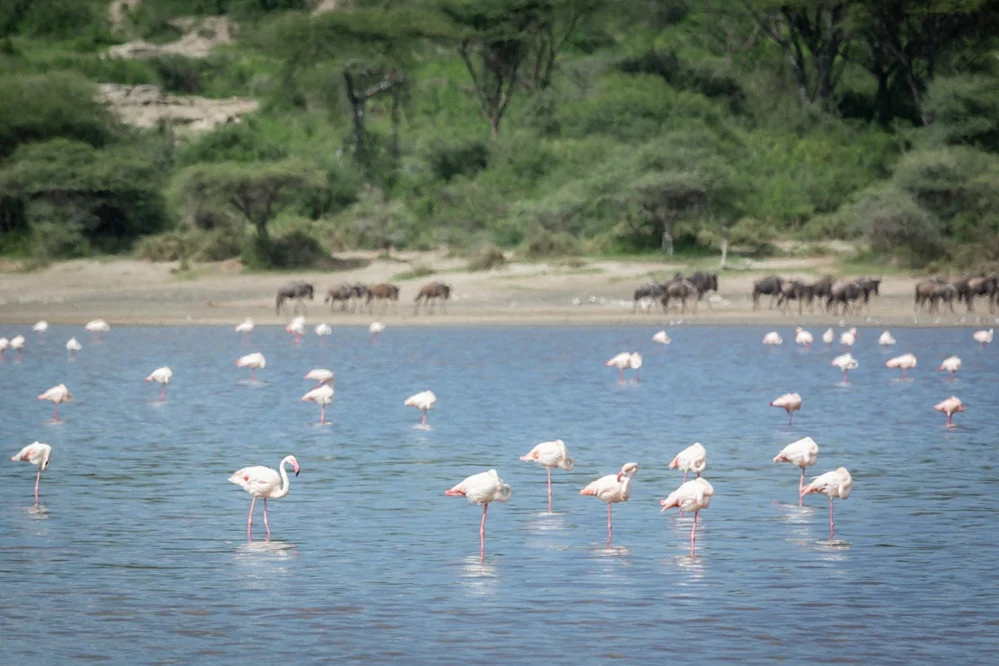
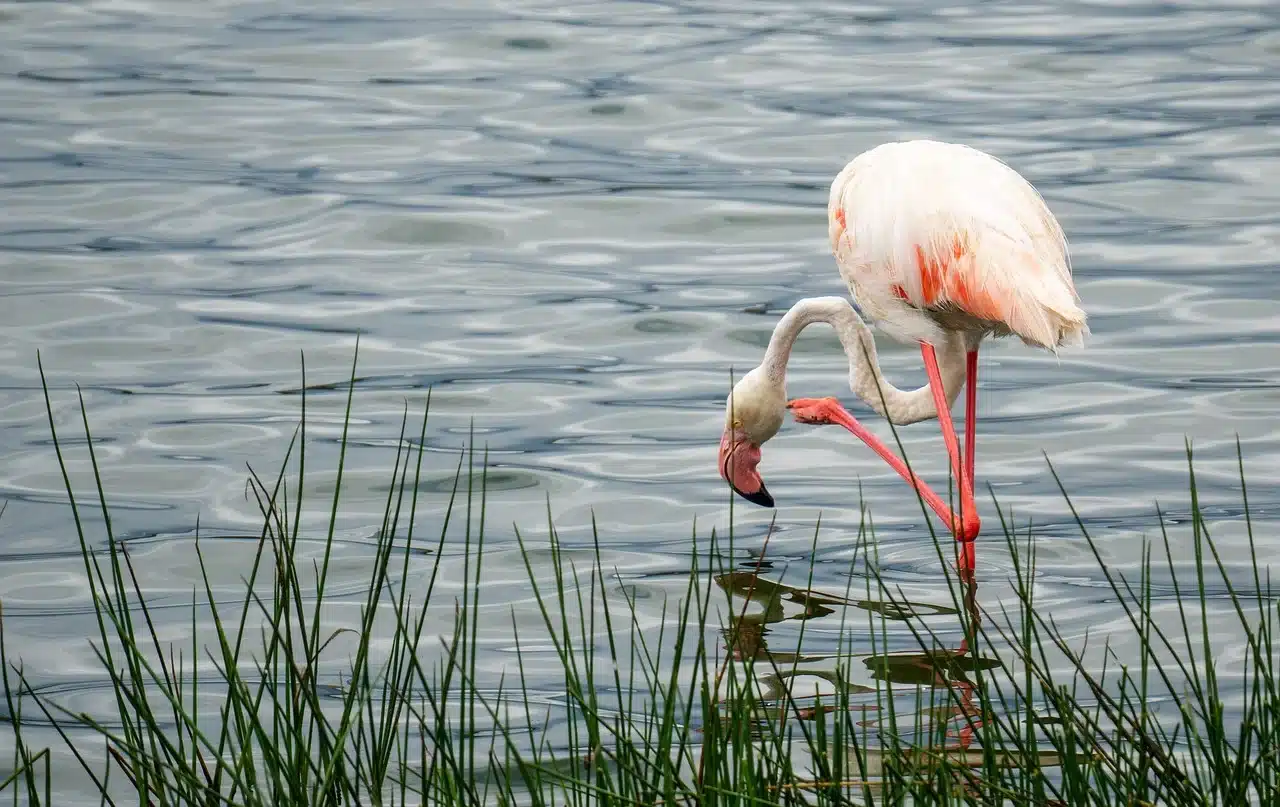
The Ngorongoro Crater floor holds greater and lesser flamingos on its soda lake, and their numbers peak in the breeding months from October to December. Alongside them you’ll find great white pelicans, yellow-billed and saddle-billed storks, crowned cranes and the kori bustard, Africa’s heaviest flying bird.
The crater is 30 minutes from Karatu Tented Lodge, which makes it the closest base for an early descent, when the light is soft and the floor is quiet. Karatu is open all year from $101 per person per night on full board.
Tarangire
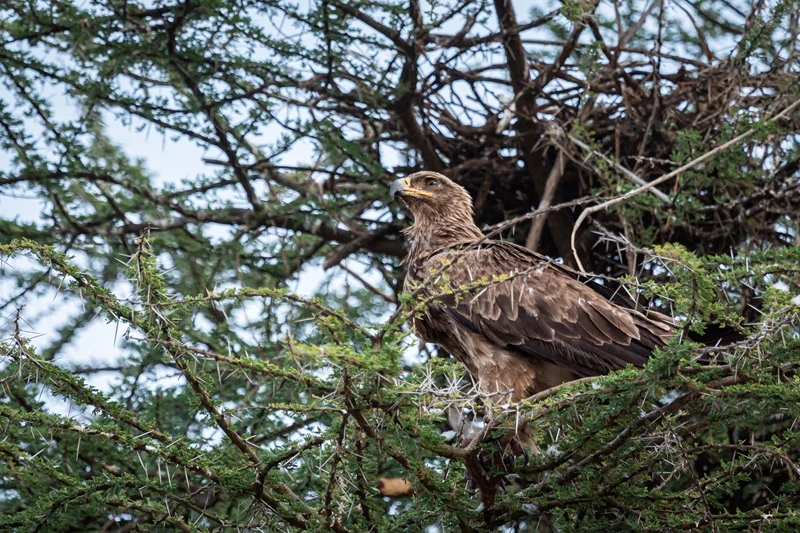
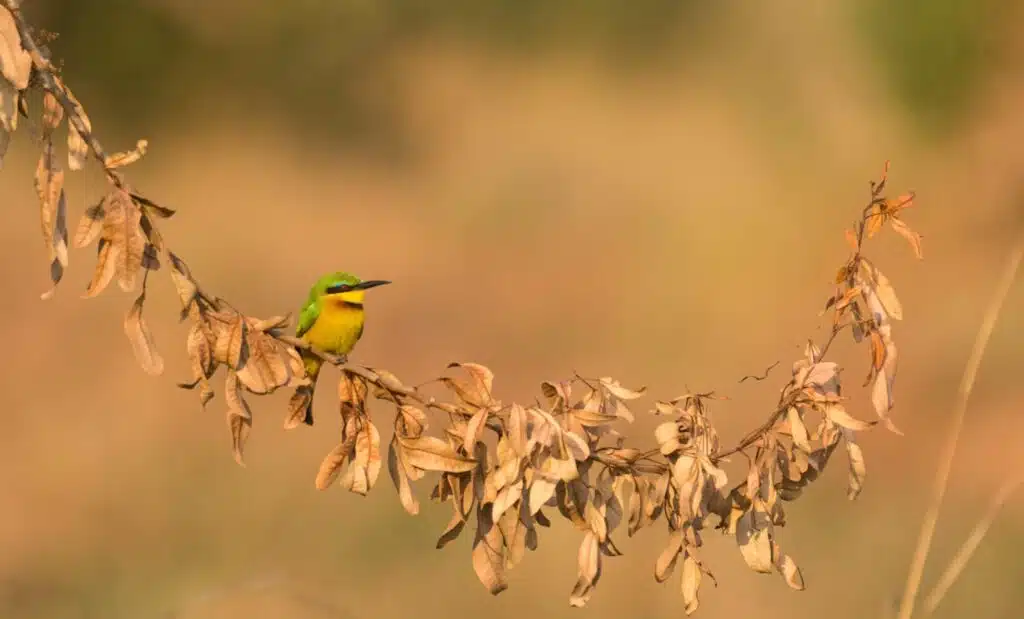
Tarangire is dense with birds along the river and the baobab woodland. It holds the Ashy starling, a Tanzania endemic, alongside grey crowned cranes, hornbills, bee-eaters and the lilac-breasted roller. Raptors are numerous, and the park is a strong place for vultures.
Baobab Tented Camp is inside the park on the Lake Burunge corridor, open all year from $182 per person per night. Tarangire is also the one park on the circuit with a night game drive, which is the way to see nocturnal birds like the Verreaux’s eagle-owl and nightjars that the daytime drives miss.
Lake Manyara
Lake Manyara is the standout birding stop on the northern circuit, with more than 400 recorded species in a small park. Large flocks of flamingos gather on the alkaline lake, alongside pelicans, storks and other water birds, and the groundwater forest at the entrance holds hornbills, turacos and silvery-cheeked hornbills.
It is 20 minutes from Karatu Tented Lodge, the shortest drive on the circuit, and it works as a half-day or full-day stop.
Lake Eyasi
Lake Eyasi is a shallow soda lake southwest of the Ngorongoro highlands. In wet years it draws flamingos and pelicans; in dry years it shrinks to a pan and the birdlife thins. It is 45 minutes from Karatu, and most guests pair a morning there with a visit to the Hadzabe and Datoga communities rather than making it a birding day on its own.
Birding by park, at a glance
Serengeti
Open plains, woodland, kopjes
Fischer’s lovebird, grey-breasted spurfowl, kori bustard, secretary bird
Mawe Tented Camp, inside the park
Ngorongoro Crater
Soda lake, grassland, floor
Greater and lesser flamingos, pelicans, storks, crowned crane
Karatu Tented Lodge, 30 min
Tarangire
River, baobab woodland
Ashy starling, hornbills, bee-eaters, raptors, eagle-owl at night
Baobab Tented Camp, inside the park
Lake Manyara
Alkaline lake, groundwater forest
Flamingos, pelicans, turacos, hornbills, 400+ species
Karatu Tented Lodge, 20 min
Lake Eyasi
Shallow soda lake
Flamingos and pelicans in wet years
Karatu Tented Lodge, 45 min
When is the best time for a bird watching safari?
The green season, from about November to April, is the best time for birds. Migrants arrive from Europe and Asia, resident birds come into breeding plumage, and the landscape is full after the rains. Flamingo numbers on the soda lakes peak in their breeding months from October to December.
This is also the quieter, lower-priced half of the year, and it overlaps calving season on the southern plains, when Gnu Ndutu Camp is open, late December to 31 March. You get the migrant birds, the flamingos and newborn wildebeest on the same trip. For the weather month by month, see our guide to the best time to visit Tanzania.
Endemic birds of northern Tanzania
Northern Tanzania has a small group of birds you cannot easily see anywhere else, and they are a good reason to bring binoculars rather than rely on the naked eye.
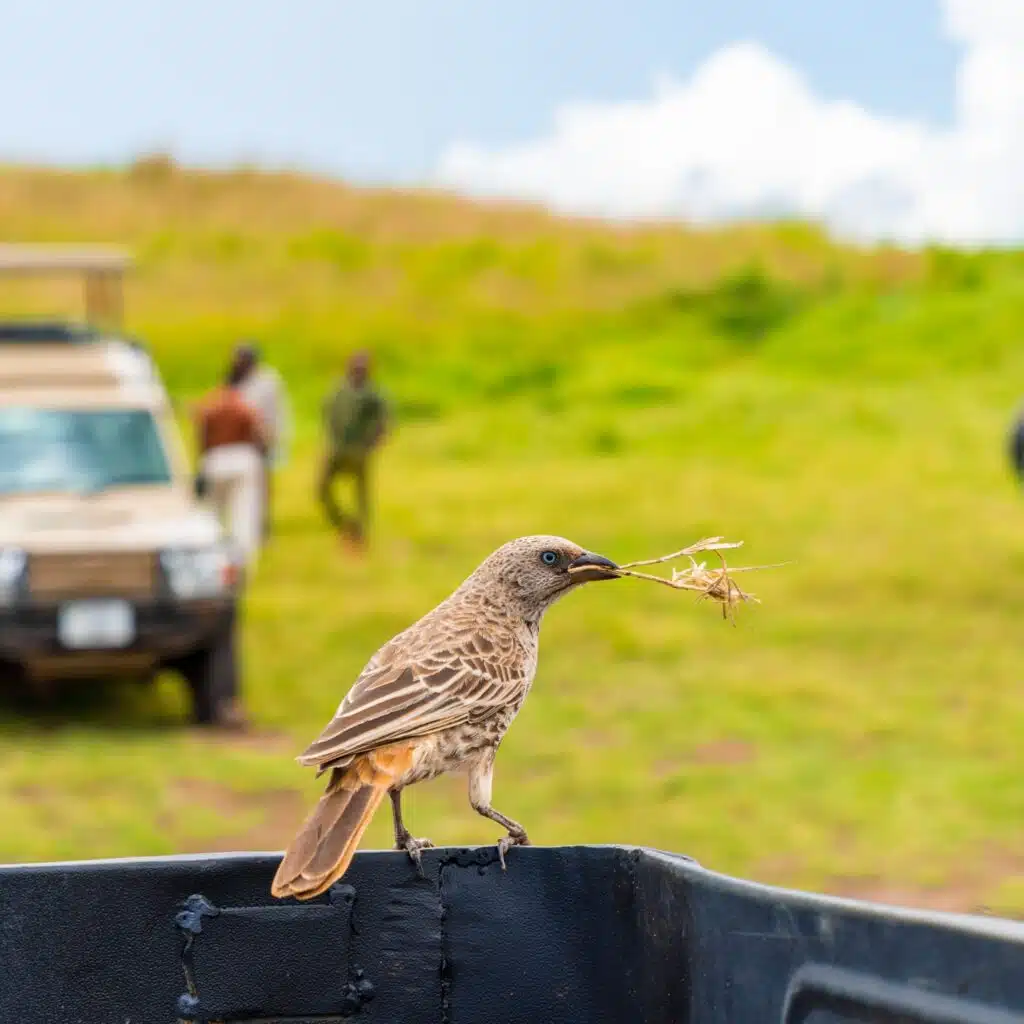
The Fischer’s lovebird is near-endemic, seen in small flocks around the hollow trees it nests in across the Serengeti and the Lake Eyasi basin. Grey-breasted spurfowl live only in the Serengeti ecosystem. The rufous-tailed weaver, a heavy-billed bird that builds untidy nests in acacias, is a Tanzania endemic, and the Ashy starling is largely confined to the Tarangire and Maasai steppe country. Your guide knows where each one tends to turn up.
Bird watching from a private safari vehicle
Birding needs time at a standstill, and that is where your own vehicle counts. On our routes you have a private 4×4 Land Cruiser and guide, so nobody outside your party decides when to move on. You can hold at a heronry or wait out a shy forest bird for as long as it takes.
Every vehicle has a pop-up roof and a window seat for each guest, which matters for watching birds in the canopy or overhead. A game drive with us is private by default, and our guides have birded these parks for years, so you get the local knowledge that finds the endemics rather than just the obvious species.
Where you stay on a birding safari
Our five camps cover the birding circuit, each close to a different habitat. Every rate below is per person per night on full board, and park fees, game drives and transfers are separate.
Karatu Tented Lodge
Karatu, Rift Valley
Lake Manyara, the crater, Lake Eyasi
All year
$101
Mawe Tented Camp
Soit Le Motonyi, central Serengeti
Serengeti plains and woodland
All year
$182
Baobab Tented Camp
Inside Tarangire
Tarangire river and woodland, night birds
All year
$182
Gnu Ndutu Camp
Ndutu, southern Serengeti
Lake Ndutu flamingos, calving plains
Late December to 31 March
$262
Gnu Mara River Camp
Kogatende, northern Serengeti
Mara River, northern woodland
1 June to 15 November
$262
Karatu Tented Lodge is the natural base for a birding trip, with the three richest spots within 45 minutes. Mawe Tented Camp puts you in the Serengeti for the endemics, and Baobab is the base for Tarangire and its night drive.
What to pack for bird watching in Tanzania
A good pair of binoculars is the one thing you should not leave behind, ideally 10×42 or stronger, and it helps to have a pair each rather than sharing. Neutral colours, khaki, green or grey, keep you from standing out, and a wide-brimmed hat and sunscreen matter for the open plains.
For photography, bring a camera with a telephoto lens. Pack everything in a soft-sided bag, because light aircraft between the parks have strict weight and shape limits. Our safari packing list covers the rest of the bag.
Bird watching safari questions
How many bird species are there in Tanzania?
More than 1,000 have been recorded across the country. On the northern circuit, the Serengeti alone has over 500 species and Lake Manyara over 400, so a one-week trip through several parks can turn up a few hundred without any specialist effort.
What is the best place in Tanzania for bird watching?
Lake Manyara, for sheer numbers in a small area, with more than 400 species and large flamingo flocks on the lake. The Serengeti is best for the endemics, and the Ngorongoro Crater for flamingos and water birds. All three are within reach of our Karatu lodge.
When is the best time for a birding safari in Tanzania?
November to April, the green season, when migrants arrive and resident birds are in breeding plumage. Flamingo numbers peak from October to December. It is also the quieter, lower-priced season and it overlaps the wildebeest calving.
Do you need a specialist birding guide?
No. Our guides have birded these parks for years and can find the endemics and name the calls, so birding fits into a normal safari. If you want a dedicated birding focus, tell us when you enquire and we’ll plan the drives around it.
Can you combine bird watching with a wildlife safari?
Yes, and most guests do. The birds are along every game drive, so you watch them alongside the elephants, lions and the migration rather than on a separate trip. A private vehicle lets you give the birds as much time as you want.
What endemic birds can you see in northern Tanzania?
The grey-breasted spurfowl in the Serengeti, the rufous-tailed weaver across the northern parks, the Ashy starling around Tarangire, and the near-endemic Fischer’s lovebird in the Serengeti and Lake Eyasi basin.
Tanzania · Northern Circuit
Book your stay with Mawe Lodges
Our own lodges and camps, our own guides, our own 4×4 vehicles. One team from arrival to departure.
-
12+
years operating -
Own
lodges & camps -
Own
guides & 4×4 vehicles