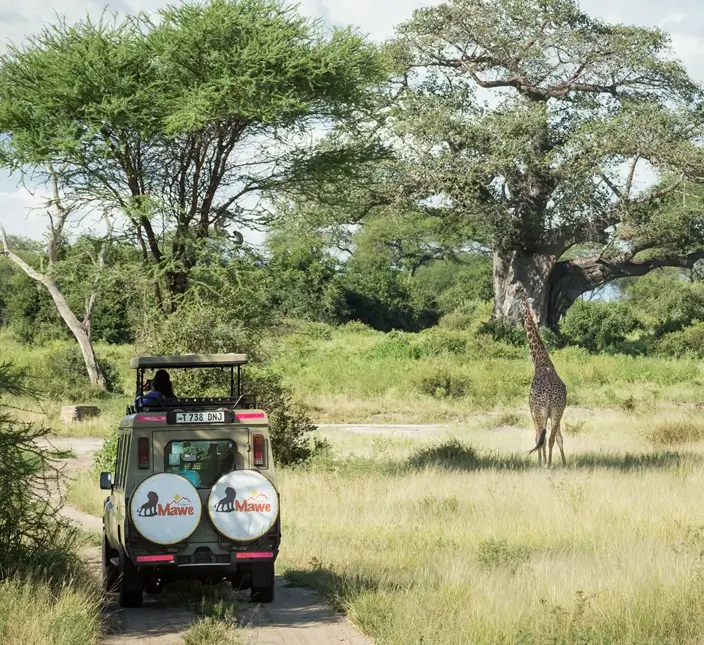
Big Five safari Tanzania
Of the Big Five, the elephant and the buffalo are the two you can count on across northern Tanzania. The lion is close behind. The leopard and the black rhino are the ones that decide whether you leave having seen all five, and where you stay changes your odds on both.
Mawe Tented Camp at Soit Le Motonyi has resident lions, leopards and cheetahs in every month of the year. That covers two of the five in one place, including the hard one. For the black rhino you need the Ngorongoro Crater, and our lodge at Karatu is 30 minutes from the gate.
A Big Five safari Tanzania trip comes down to ground and time. Put yourself in the right parks, in a vehicle that can wait, and four of the five become likely. The rhino stays the gamble.
Can you see all Big Five animals in Tanzania?
Yes. Lion, elephant and buffalo are seen on most northern circuit safaris. Leopard takes patience and the right cover. Black rhino is the hard one, and the Ngorongoro Crater is the single place on our routes where you have a real chance of it. Give the crater a full day and put an experienced guide in the vehicle.
The other four are a matter of covering the right parks over several days. Elephant herds pass the Lake Burunge corridor at Baobab Tented Camp daily. Buffalo graze in large herds in every park on the circuit. Lion and leopard both live year-round at Soit Le Motonyi, where our central Serengeti camp is.
A private vehicle matters most for the two difficult animals. When you can stay at a leopard in a tree for as long as it takes, or work the crater floor slowly for rhino, your chances go up. A group vehicle moves when the group decides.
Tanzania’s Big Five animals
Lion
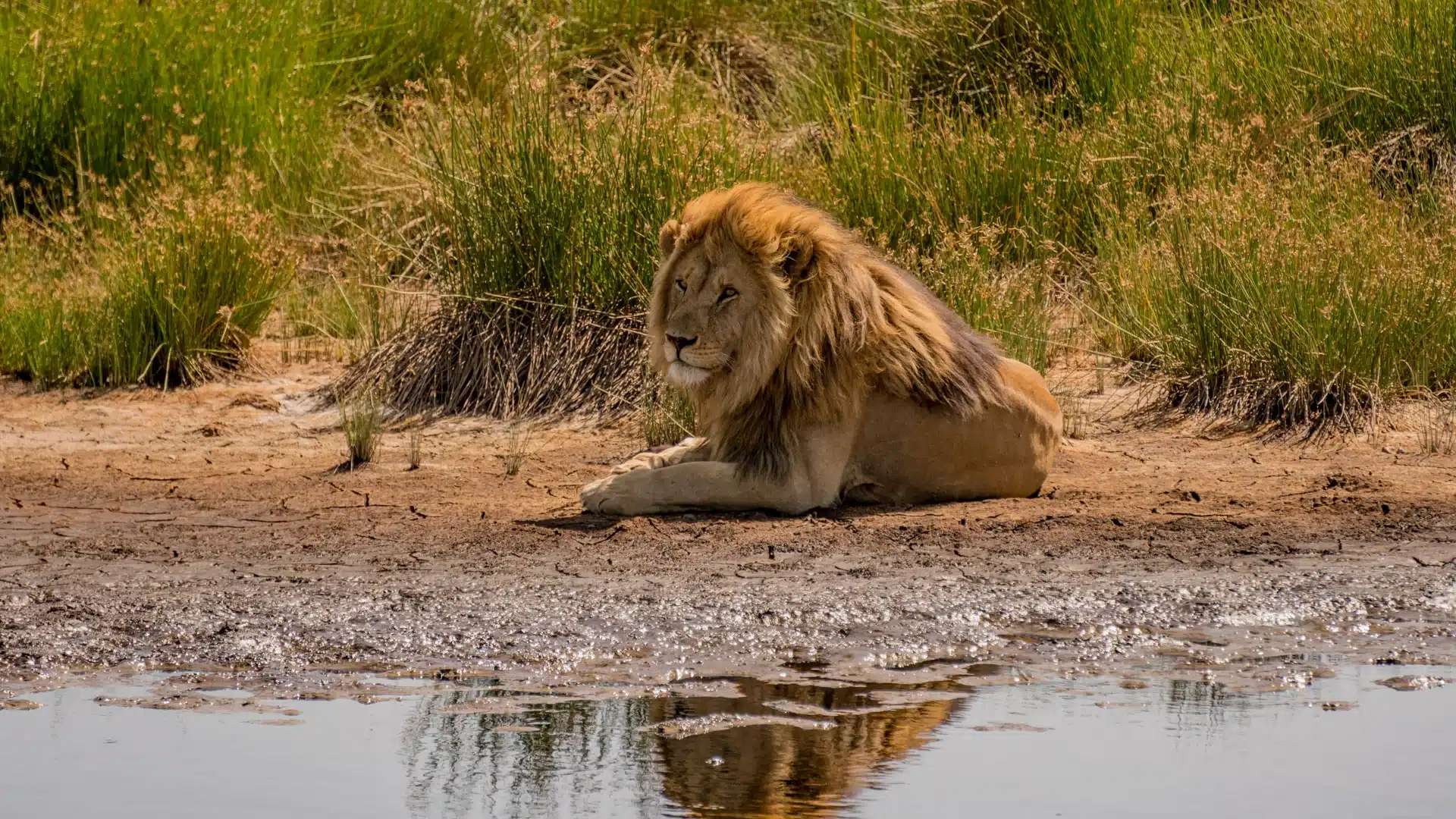
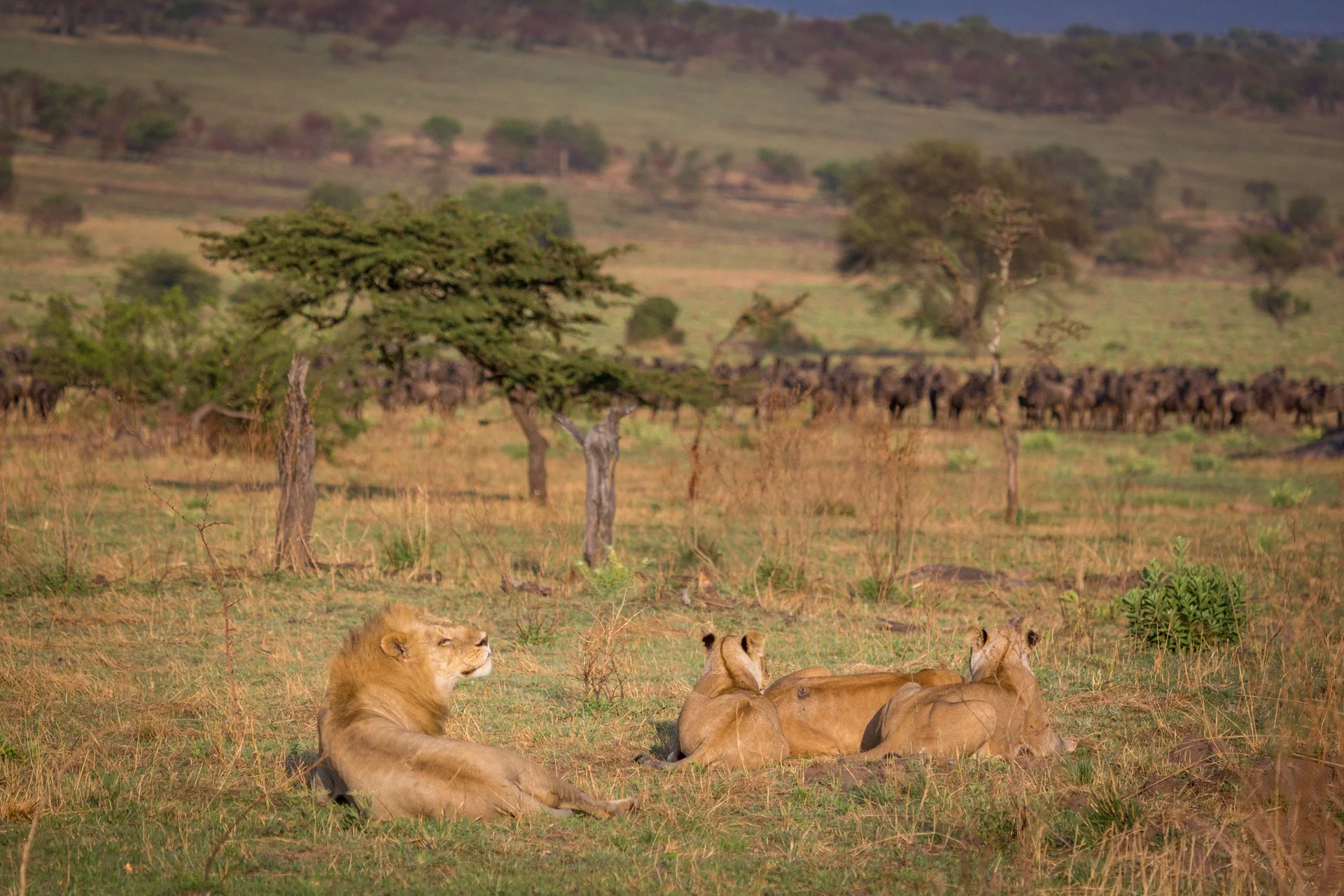
Lion is the big cat you’re most likely to see. Prides rest through the heat of the day, often in the open or on a rocky kopje, and hunt in the cool of early morning and late afternoon. That is why the two daily game drives, from about 06:00 and from about 15:30, are timed the way they are.
Mawe Tented Camp at Soit Le Motonyi has resident lions every month of the year, so the central Serengeti is a reliable place to find them. The Ngorongoro Crater holds a dense lion population on its floor, and a single day inside the crater usually produces a sighting. Lions are in Tarangire and Lake Manyara too, in smaller numbers.
Females do most of the hunting, usually in the dark or the half-light. Your best chance of watching lions active rather than asleep is the first hour after sunrise and the last hour before dark.
Leopard
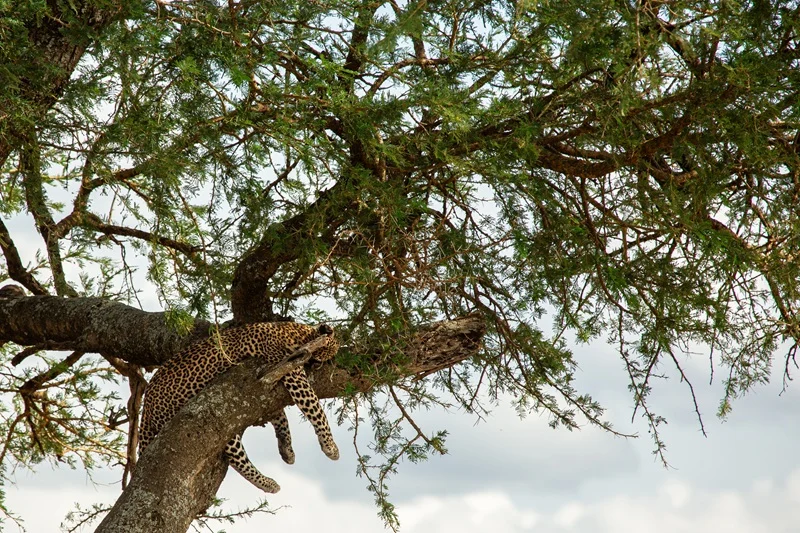
Leopard is the most elusive of the five. It is solitary, mostly nocturnal, and it favours dense cover, riverine bush and rocky ground where it can rest out of sight and drag a kill into a tree. A leopard resting in shade at midday is close to invisible, which is why many safaris miss it.
Soit Le Motonyi is one of the better places on the circuit for leopard, because Mawe Tented Camp has resident leopards there in every month. Your guide reads the signs, a fresh drag mark, a carcass wedged in a fork, alarm calls from baboons, and works the cover at dawn and dusk when the cat is moving.
This is where a private vehicle earns its keep. Finding a leopard often means waiting at one tree or one thicket for half an hour or more. On your own vehicle you can do that. Even so, leopard is never a certainty, and it helps to travel expecting to work for it.
Elephant
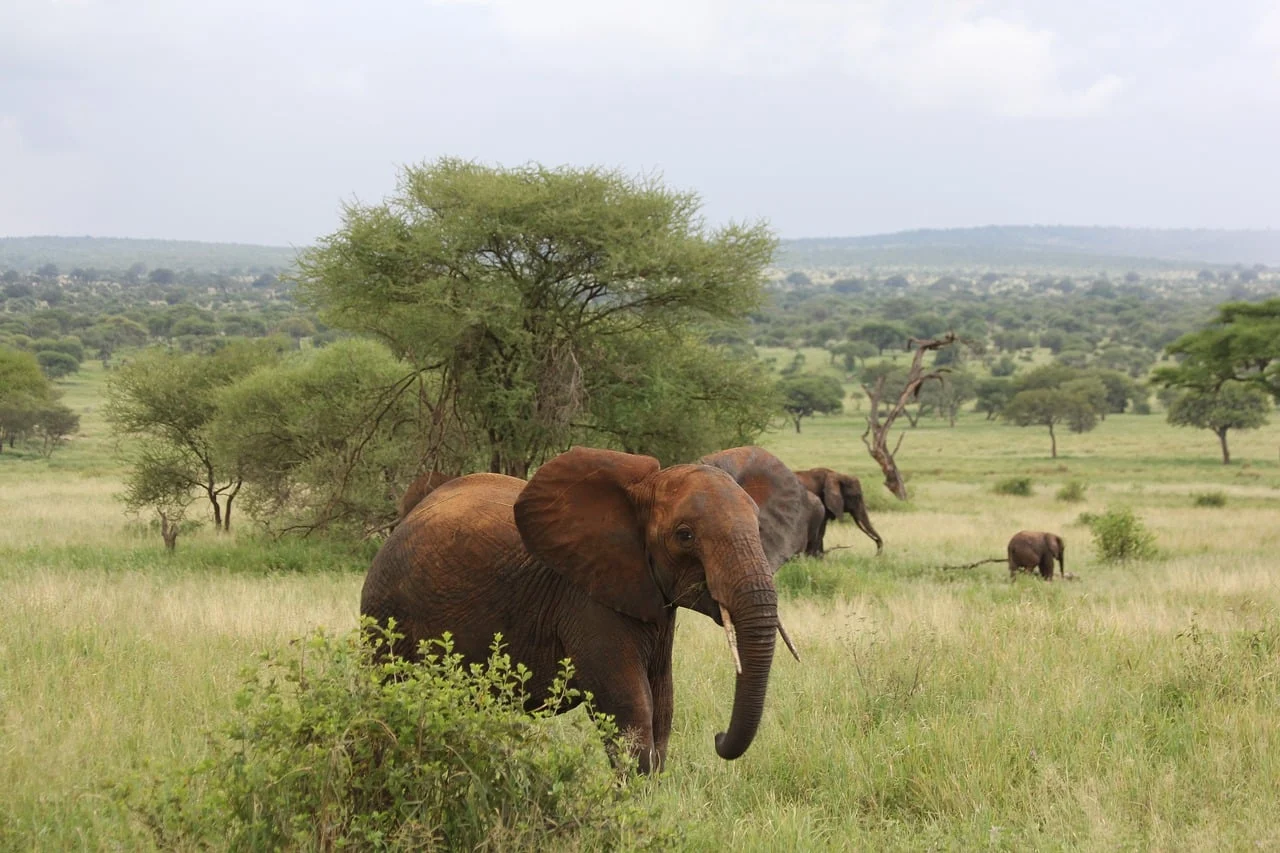
Elephant is the largest land animal and one of the easiest of the five to see. Herds are active through the day, they move in the open, and they gather at water, so you rarely need luck to find them. Females and calves stay together in family herds led by an older cow, while bulls come and go on their own.
Tarangire is the elephant park. Herds pass the Lake Burunge corridor at Baobab Tented Camp daily, and in the dry season, from about June to October, elephants concentrate along the Tarangire River as the smaller water sources dry up. That is when you see the largest gatherings. Elephants are common in the Serengeti and the Ngorongoro Crater as well.
Baobab Tented Camp is inside Tarangire National Park, so your first game drive starts at the tent rather than at a gate.
Rhino
Black rhino is the hardest of the Big Five to see in Tanzania, and the only one you cannot count on. It is critically endangered, it browses in thick cover, and the population is small and protected. Seeing one is the difference between a good day and a complete Big Five.
The Ngorongoro Crater is the realistic place. Its floor is enclosed and its rhinos are monitored, so a full day there gives you a genuine chance, though never a guarantee. The Serengeti also holds a small black rhino population around the Moru Kopjes, where guides track them; our post on rhino tracking in the Serengeti covers how that works. Lake Manyara and Tarangire have no rhino you can plan around.
If seeing all five matters to you, build the trip around a full day in the crater and treat everything else as the easier part.
Buffalo
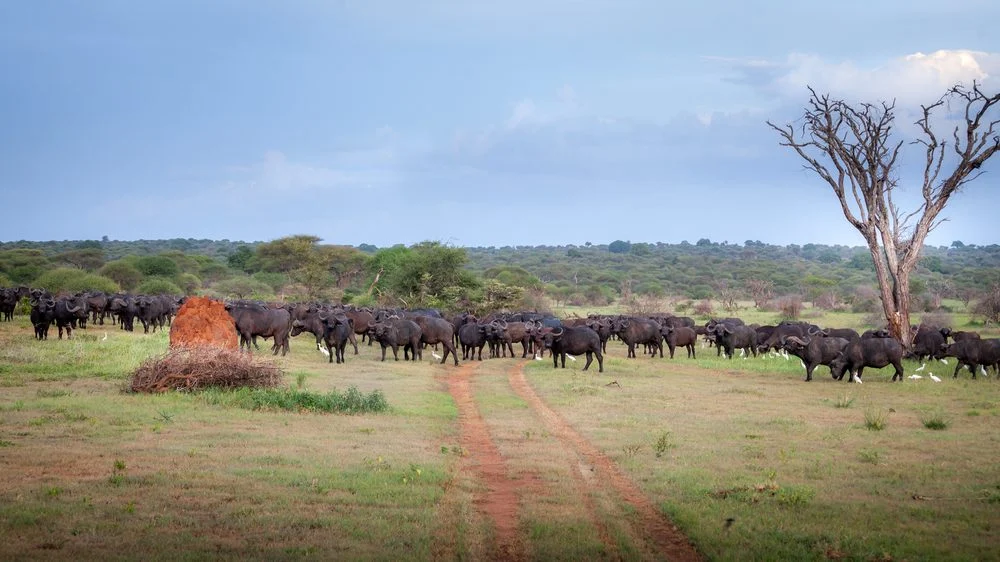
Cape buffalo is, alongside elephant, the Big Five animal you’re most certain to see. Buffalo live in herds that range from a handful of old bulls to several hundred animals, they graze in the open through the day, and they stay near water. You will meet them in every park on the circuit.
Large herds move across the Serengeti plains and gather on the Ngorongoro Crater floor, where buffalo are one of the most numerous large animals. Lone bulls, often coated in mud, turn up near water in Tarangire and Lake Manyara.
Buffalo have a reputation for being dangerous when cornered or wounded, and guides keep a sensible distance from a lone bull. From the vehicle they’re straightforward to watch, and no safari of more than a day or two goes without them.
Where to see the Big Five in Tanzania
Each park holds a different mix of the five. The table below is a guide to what you can plan around in the parks on our routes. It shows likelihood, not a promise, because wild animals move and the rhino in particular is never certain.
Serengeti (Soit Le Motonyi)
Resident, all year
Resident, all year
Common
Rare, Moru Kopjes only
Common
Mawe Tented Camp
Ngorongoro Crater
Dense on the floor
Possible
Present
Best chance in Tanzania
Common
Karatu Tented Lodge, 30 min
Tarangire
Present
Possible in thick cover
Highest numbers
None to plan around
Present
Baobab Tented Camp, inside the park
Lake Manyara
Possible
Rare
Common
None
Present
Karatu Tented Lodge, 20 min
Serengeti
The central Serengeti around Soit Le Motonyi is a strong base for four of the five. Mawe Tented Camp has resident lions, leopards and cheetahs there every month, so the two cats that trouble most Big Five trips are on your doorstep. Elephant and buffalo are common across the plains. Black rhino is the gap, and it is only found around the Moru Kopjes in the south.
Mawe Tented Camp is open all year, from $182 per person per night on full board. Gnu Mara River Camp in the north is 40 to 45 minutes from the Mara River and open 1 June to 15 November, for the crossing months.
Ngorongoro Crater
The Ngorongoro Crater is the one place on the circuit where all five live in a single enclosed space, which is why it is the best chance in Tanzania for a complete Big Five in a day. Its floor holds a dense lion population, large buffalo herds, resident elephant bulls, and the monitored black rhino you cannot reliably see anywhere else in the north.
The crater floor is a descent of about 600 m (2,000 ft), and vehicles leave the floor by late afternoon. Karatu Tented Lodge is 30 minutes from the gate, which makes it the closest base for an early descent, when the light is good and the floor is quiet. It is open all year, from $101 per person per night on full board.
Tarangire
Tarangire is the elephant park, and it is where the elephant stops being one animal among many and becomes the reason you’re there. Herds pass the Lake Burunge corridor at Baobab Tented Camp daily, and the dry season concentrates them along the Tarangire River. Lion and buffalo are here too, and leopard turns up in the thicker riverine cover.
Baobab Tented Camp is inside the park, open all year, from $182 per person per night on full board. Being inside the gate means game drives start at the tent, and it puts you in the park for the first and last light of the day.
Lake Manyara
Lake Manyara is a short, scenic park at the foot of the Rift Valley escarpment, better known for elephants, tree-climbing lions and more than 400 bird species than for a full Big Five. It has elephant and buffalo, lion if you’re lucky, and rarely leopard. It has no rhino. Treat it as a half-day or full-day stop, not a Big Five park in its own right.
It is 20 minutes from Karatu Tented Lodge, the shortest drive on the circuit. For a closer look at how it compares with its neighbour, see Tarangire or Lake Manyara.
When is the best time for a Big Five safari?
The dry season, from about June to October, is the most reliable time to see the Big Five. Water shrinks to a few sources, grass is shorter, and animals gather where you can find them. That helps with all five and it helps most with the animals that are otherwise spread thin.
The green season, from about November to May, has fewer vehicles and lower rates, and the animals are still there. They just spread out, so you cover more ground for each sighting. Calving season on the southern plains, from late December to March, brings predators into the open at Ndutu, where Gnu Ndutu Camp is open for exactly those months.
The crater floor is worth a day in any season, because it is enclosed and holds its animals year-round. For the weather month by month, see our guide to the best time to visit Tanzania, and for the plains in particular, the best time to visit the Serengeti.
Big Five safari routes
We publish four Tanzania safari routes from 5 to 10 days, and the 7-day route is built around the Big Five. Each route includes a private vehicle and guide, and the per-person price is for two people sharing, lower for larger groups.
The 5-day route skips the Serengeti road day and still reaches the crater, so it is the quickest way to see four of the five. The 7-day route adds the central Serengeti and Soit Le Motonyi, which is where the leopard chance improves. International flights and your Tanzania visa are arranged separately from the route price.
Why a private vehicle helps you see all five
A private vehicle and guide is the practical difference between seeing four of the Big Five and seeing all five. On our routes your family or group has its own Land Cruiser, so nobody outside your party decides when you stop or how long you wait. For the leopard and the rhino, waiting is most of the game.
We’ve run our own camps, guides and 4×4 Land Cruisers in northern Tanzania since 2014, and the same team looks after you from arrival to departure. Your guide can work the crater floor slowly for rhino, hold at a leopard tree until the cat moves, and time the drive around first and last light when the cats hunt.
Every vehicle has a pop-up roof and a window seat for each guest. A game drive with us is a private one by default, with a full day from $300 per vehicle, park fees separate.
How much does a Big Five safari Tanzania cost?
A Big Five safari cost comes down to three things: where you sleep, the vehicle and guide, and the park fees.
Accommodation is per person per night on full board. Our camp rates start from $101 per person at Karatu Tented Lodge and $182 at Mawe Tented Camp and Baobab, and rise in the high and peak seasons. A full-board rate covers your room and all meals, not park fees or game drives.
The game drive is a private 4×4 Land Cruiser with a guide and fuel, priced per vehicle. A full day is from $300, and a family or group splits that one cost between them.
Park fees are set by the park authorities, TANAPA for the national parks and the NCAA for Ngorongoro, and charged per person for each 24 hours in the park. The Ngorongoro Crater also has a service fee charged per vehicle. Under-fives enter free. For a fuller picture of the numbers, see our Tanzania safari cost guide.
Where you stay on a Big Five safari
Our five camps cover the Big Five circuit, and each one puts you close to a different part of it. Every rate below is per person per night on full board, and park fees, game drives and transfers are separate.
Mawe Tented Camp
Soit Le Motonyi, central Serengeti
All year
$182
Baobab Tented Camp
Inside Tarangire, Lake Burunge corridor
All year
$182
Karatu Tented Lodge
Karatu, 30 min from the crater
All year
$101
Gnu Mara River Camp
Kogatende, northern Serengeti
1 June to 15 November
$262
Gnu Ndutu Camp
Ndutu, southern Serengeti
Late December to 31 March
$262
For the two difficult animals, Mawe Tented Camp is the base, with resident lions and leopards at Soit Le Motonyi and the crater within reach for rhino from Karatu. For elephant, Baobab is inside the best elephant park in the north. Each camp has ten tents or cottages, so the parks are busier than the camps.
Can you add Zanzibar to a Big Five safari?
Yes. Many guests finish a Big Five safari in Tanzania with a few days on the coast, and Zanzibar is the usual choice for a beach stay after the parks. It pairs with the northern circuit and works as a separate leg once your safari is done.
Mawe covers Zanzibar as an add-on to the safari. The coastal stay is arranged alongside your route rather than as part of it, so ask us when you enquire and we’ll set it out with the safari.
Other wildlife you’ll see
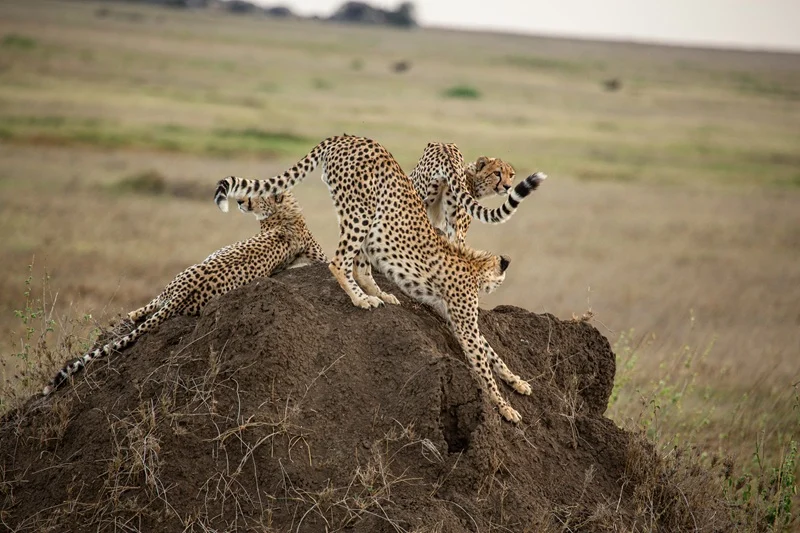
The Big Five are the headline animals, not the whole cast. Cheetahs are resident at Soit Le Motonyi, alongside the lions and leopards, and the open plains are the best ground for watching them hunt. You’ll also see giraffe, zebra, and the wildebeest that move across the plains in their hundreds of thousands.
Beyond those, expect hyena, warthog, hippo near water, and antelope from the tiny dik-dik to the eland. Olive baboons and blue monkeys are common, and the birdlife runs to hundreds of species, with Lake Manyara the standout for flamingos and water birds. A Big Five checklist is a good reason to travel, but most of what you watch each day is everything else.
Planning your Big Five safari
Start with the two hard animals. If a complete Big Five is the goal, the trip needs a full day in the Ngorongoro Crater for rhino and time in the central Serengeti for leopard, which points to the 7-day route or longer. If you’d rather keep transfers short and accept a smaller chance at those two, the 5-day route reaches the crater without the Serengeti road day.
Then pick the season. The dry months from June to October are the surest for all five, and the green season trades certainty for fewer vehicles and lower rates. Tell us your dates and your group size and we’ll match the camps and the route to them.
Big Five safari questions
Can you see the Big Five in Tanzania in one trip?
Yes, though rhino is never guaranteed. Lion, elephant and buffalo are seen on most trips, leopard takes patience, and black rhino needs a full day in the Ngorongoro Crater. A 7-day route through the Serengeti, the crater and Tarangire gives you a chance at all five.
Where is the best place to see rhino in Tanzania?
The Ngorongoro Crater. Its floor is enclosed and its black rhino are monitored, so it is the one place on the northern circuit where you can plan around a sighting. The Serengeti has a small population around the Moru Kopjes, but the crater is the realistic bet.
Which park is best for leopard?
The central Serengeti around Soit Le Motonyi, where Mawe Tented Camp has resident leopards every month of the year. Leopard rests in cover by day, so dawn and dusk drives and a vehicle that can wait give you the best chance.
When is the best time for a Big Five safari?
June to October, the dry season, when animals gather at shrinking water and the grass is short. The green season from November to May has fewer vehicles and lower rates, but the animals spread out and you cover more ground for each sighting.
Do you need a private vehicle to see the Big Five?
No, but it helps, especially for leopard and rhino. On our routes every vehicle is private, so your guide can wait at a leopard tree or work the crater floor slowly for rhino instead of moving on when a group decides.
Which Mawe camp is best for the Big Five?
Mawe Tented Camp at Soit Le Motonyi, for resident lions, leopards and cheetahs in every month, with the crater reachable from Karatu Tented Lodge for rhino. For elephant, Baobab Tented Camp is inside Tarangire.
Can a Big Five safari be combined with Zanzibar?
Yes. Zanzibar is the usual beach stay after the parks and is arranged as a separate leg alongside your safari route. Ask us when you enquire and we’ll set it out with the trip.
Tanzania · Northern Circuit
Book your stay with Mawe Lodges
Our own lodges and camps, our own guides, our own 4×4 vehicles. One team from arrival to departure.
-
12+
years operating -
Own
lodges & camps -
Own
guides & 4×4 vehicles