Kogatende, Ndutu and Seronera are all inside the Serengeti, and all three are on different calendars. That is why the best time to visit Serengeti National Park depends on which part of the park you book. Serengeti National Park covers 14,763 square kilometers (5,700 square miles), and rainfall across it is not even. The northwest gets about three times as much rain a year as the southeastern plains.
For dry weather and the Mara River crossings, take June to October. On the other hand, if calving is what you came for, take late December to March.
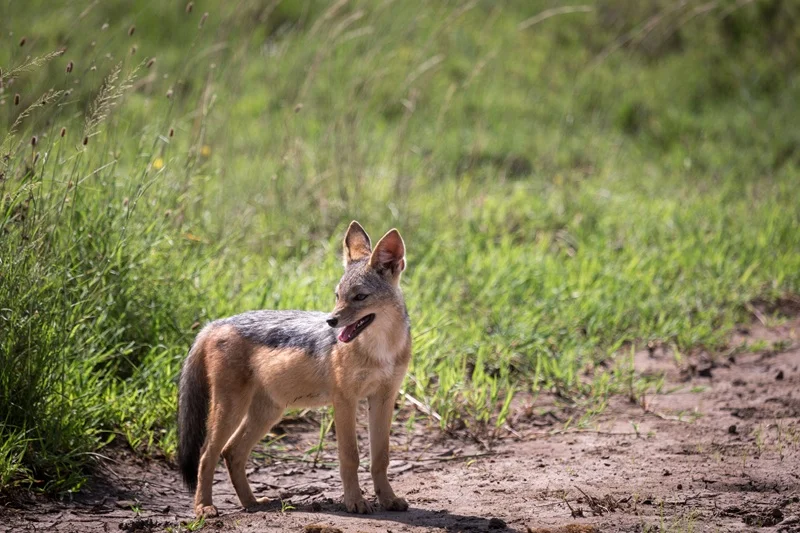
One part of the park ignores both windows. The eastern Serengeti at Soit Le Motonyi stayed closed to visitors for 20 years for cheetah research. Lions, leopards and cheetahs are on those plains in every month of the year.
The short answer
When is the best time to visit Serengeti National Park?
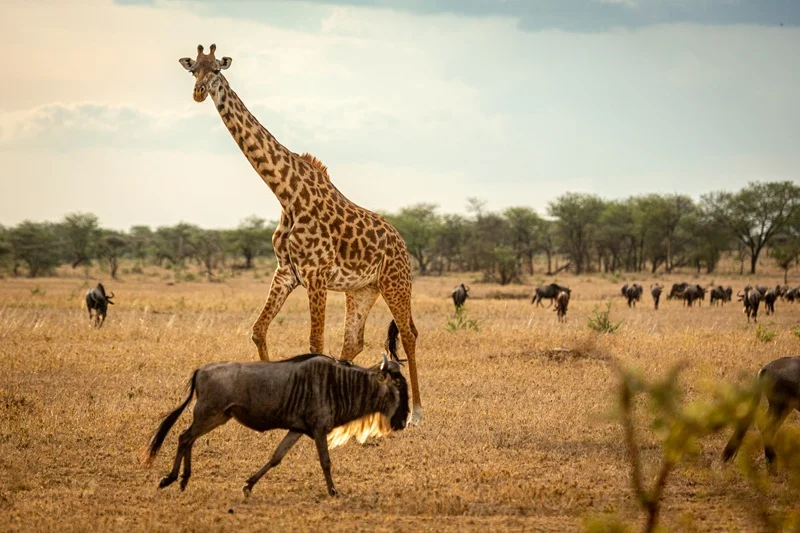
August, if you only get one month. The Mara River crossings are on at Kogatende, the southern plains have dried out, and the grass is short through the center of the park. February is the other answer and it buys a different trip, because calving at Ndutu is dense, close and constant for weeks.
The two windows
| Window | Months | What you get | Where to be |
|---|---|---|---|
| Dry season | June to October | Short grass, animals near water, Mara River crossings | Northern and central Serengeti |
| Calving | Late December to March | Wildebeest calves in the thousands, heavy predator activity | Southern plains at Ndutu |
Rain drives both windows, and rain keeps no timetable. For example, in a wet year the herds arrive early. In a dry year they arrive late. So treat every date here as two or three weeks either side.
June to October
June to October, the Serengeti dry season
What the Serengeti dry season gives you
Rain almost stops from June through September, so the grass drops short and the animals concentrate on whatever water is left. As a result, you see further and you drive less. The Mara River crossings start at Kogatende in July and hold through October. Balloon flights are more reliable in these months, because low cloud and wind ground them in the rainy months.
What it costs you
Rates are at their highest, and in addition Seronera carries the heaviest vehicle traffic of the year. For August and September in the north, book eight to twelve months out. Our camps in the north are small at ten tents, the season is short, and the rooms go early.
November to May
November to May, the Serengeti rainy season
What the rainy season gives you
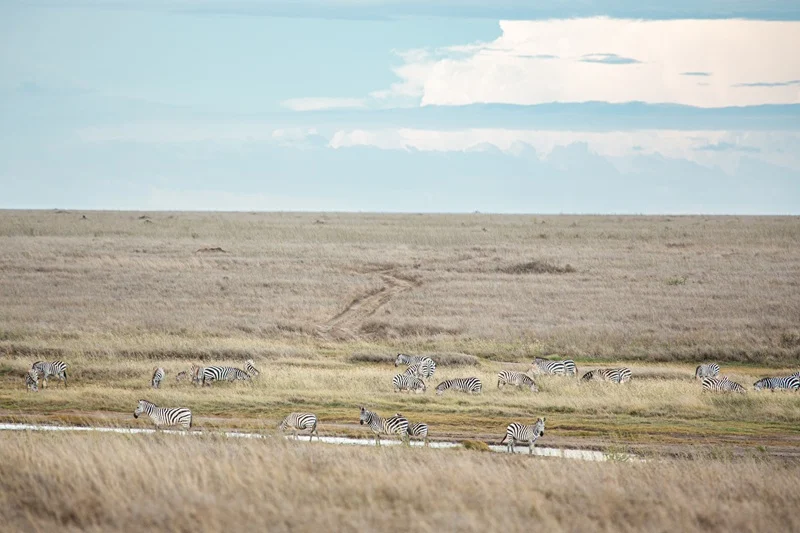
Rates drop, vehicle numbers drop, and the country turns green. Meanwhile, the short rains arrive in October and hold through December, with the peak in November and December. Calving builds on the southern plains from late December. Migrant birds arrive with the short rains, which makes November and December the best birding of the year.
What it costs you
The long rains fall from March to May and peak in March and April. Grass grows long, water is everywhere, and the animals spread out instead of gathering at a few waterholes. That means you drive further to find them. Two of our three Serengeti camps are also closed for part of the rainy season, so your choice of month decides your choice of camp.
Which part of the Serengeti to be in, and when
When to visit the Serengeti depends on which part of it you mean, because rainfall inside the park is not uniform and neither is the calendar. A study of Serengeti precipitation in the International Journal of Climatology identified five separate rainfall sub-regions inside the park, each with its own peak months. That is the mechanism underneath everything below.
Central Serengeti and Seronera
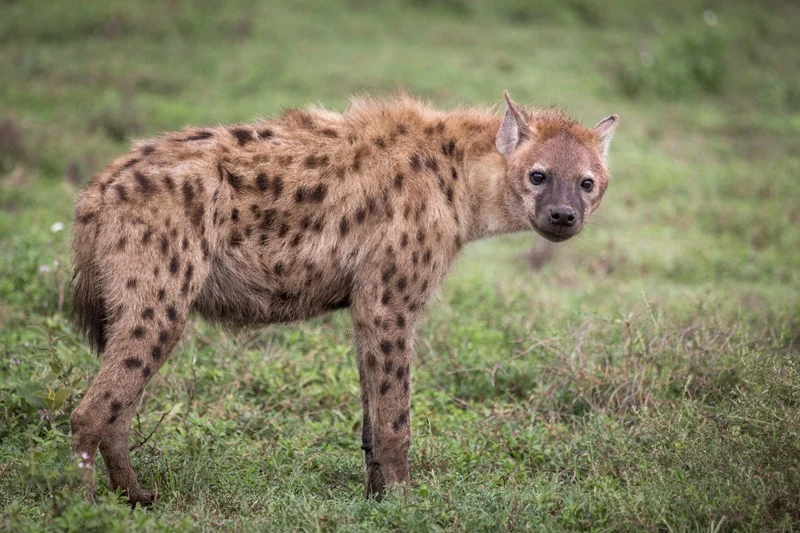
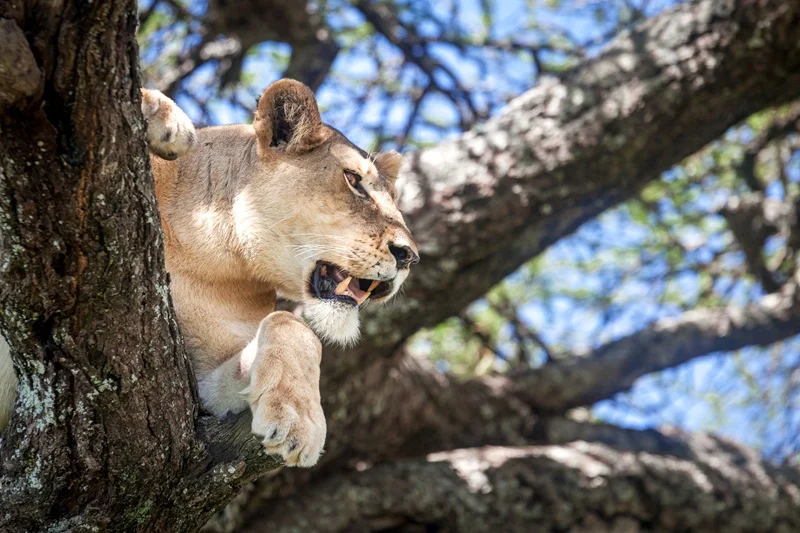
The center holds resident wildlife every month, because the Seronera Valley keeps water when the plains dry out. Lions, leopards, giraffe and elephant are there in January and in August alike. It is also the busiest ground in the park, since most of the lodges and the main airstrip are within an hour of it. June to October gives the easiest game viewing here. March to May gives you long grass and far fewer vehicles.
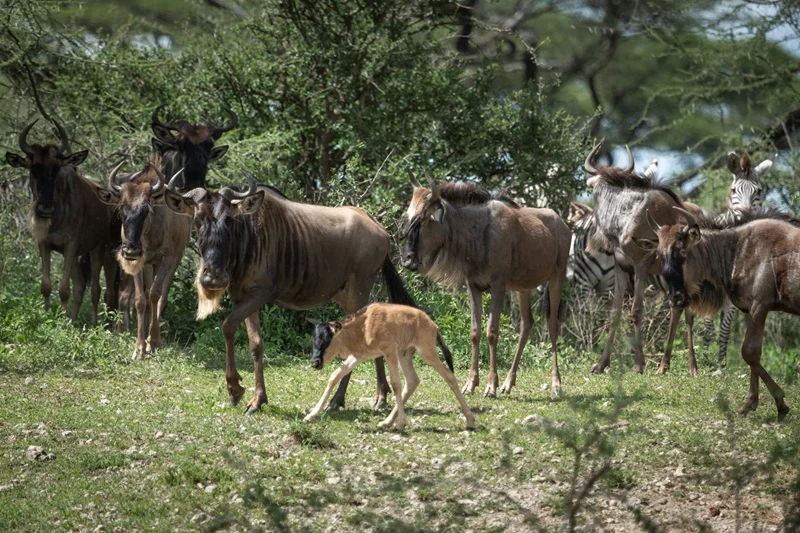
Southern Serengeti and Ndutu
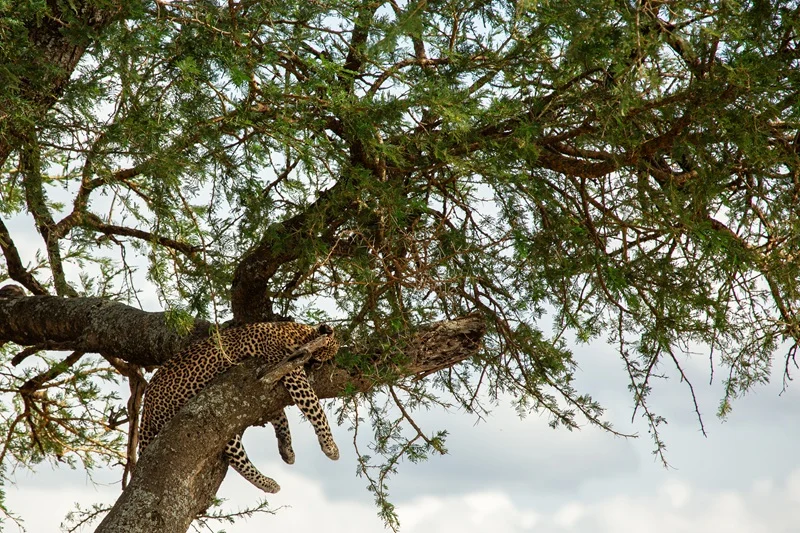
The south works from late December to March and is thin the rest of the year. The Serengeti in January and February is effectively a southern park, because that is where the herds and the predators both are. Ndutu is inside the Ngorongoro Conservation Area rather than Serengeti National Park, so it is charged and permitted separately, though the plains look continuous from the vehicle. Calving peaks through late January and February. By April the grass is finished, the herds have moved on, and the seasonal camps come down.
Northern Serengeti and Kogatende
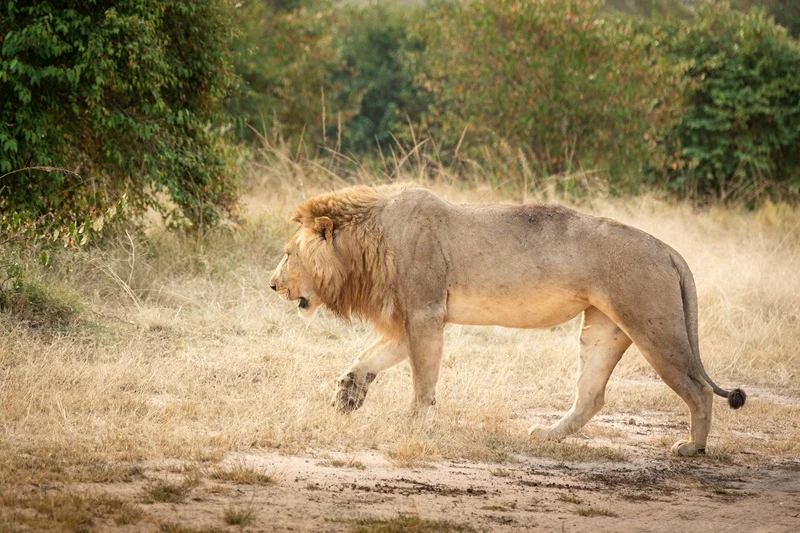
Kogatende is the crossing country, and the herds are usually there between July and mid-November. August to October is the reliable stretch. The north is the wettest part of the park at roughly 1,200 millimeters (47 inches) a year, so it holds grass when the south has none. It takes a flight or a long drive to reach, and the camp count is low, so it carries fewer vehicles than the center.
Western Corridor and the Grumeti
The corridor works in June and July, when the herds push west toward the Grumeti River and cross it. Grumeti crossings are smaller than the Mara crossings and harder to predict, and much of the corridor is private concession. We have no camp in the west. If the Grumeti is the reason for your trip, book a camp on that side and use us for the rest of the northern circuit.
Eastern Serengeti and Soit Le Motonyi
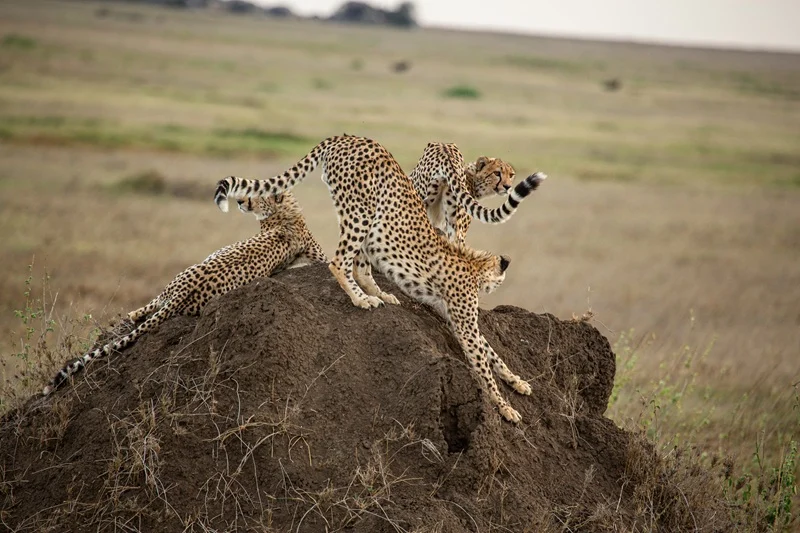
The east is the answer when your dates are fixed by work or school. Big cats at Soit Le Motonyi are resident, so lions, leopards and cheetahs are there in February and in September. The area stayed closed to the public for 20 years for cheetah research and now holds probably the highest cheetah density in the Serengeti. Mawe Tented Camp is on the Ngarenanyuki River here, an hour from Seronera.
The full year, month by month
| Month | Where to be | Why | How busy |
|---|---|---|---|
| January | Ndutu and the south | Calving builds through the month | Heavy at Ndutu, light elsewhere |
| February | Ndutu and the south | Peak calving and peak predator activity | Busiest of the southern season |
| March | Ndutu, then the center | Herds start north, long rains begin | Thinning through the month |
| April | Central and eastern Serengeti | Heaviest rain, fewest vehicles, lowest rates | Emptiest month of the year |
| May | Central and western Serengeti | Herds scattered and moving north | Very light |
| June | Western Corridor and the Grumeti | Grumeti crossings, rain stops | Building |
| July | North toward Kogatende | First Mara River crossings | Busy in the north |
| August | Kogatende | The most reliable crossing month | Peak, and worst at Seronera |
| September | Kogatende | Crossings continue, fewer vehicles than August | Busy but easing |
| October | Kogatende and the center | Late crossings, thinning crowds, still dry | Moderate |
| November | East and south | Short rains, herds turn south, birding picks up | Light after mid-month |
| December | South toward Ndutu | Herds spread onto the southern plains | Light early, heavy at Christmas |
Serengeti weather by month, and where the rain falls
The Serengeti climate gives you two rainy seasons a year rather than one. The Tanzania Meteorological Authority puts the Mara and Arusha regions in the bimodal group, with the long rains (Masika) from March to May and the short rains (Vuli) from October to December. June through September is the Serengeti dry season. There is no single Serengeti rainy season, which is the first thing to understand about the weather here.
Where the rain falls matters as much as when, and it is the part of the Serengeti climate that decides which region works in which month. The same research puts the northwest at about 1,200 millimeters (47 inches) a year against roughly 400 millimeters (16 inches) on the southeastern plains. That is close to three times the difference across one park, and it is why the herds move at all. Grass grows where rain has fallen, and it gives out first in the southeast.
Because those five sub-regions peak in different months, one climate answer for the whole park never holds. In fact, April is the wettest month almost everywhere. Past that, any month you ask about behaves differently in the north than on the southern plains.
Rain here usually arrives as an afternoon storm and clears within an hour or two, so you will rarely lose a morning drive to it. What changes instead is the driving. Long grass and standing water let the animals spread out, and you cover more ground before you find them.
When the park is emptiest, and where
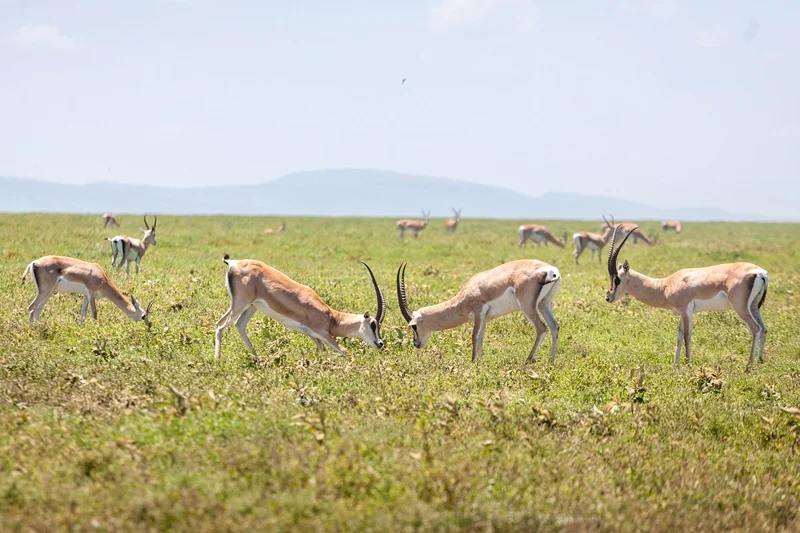
Crowding in the Serengeti is regional before it is seasonal. For example, Seronera in August is the busiest ground in the park. The eastern plains in the same week, in contrast, can be close to empty. There is one camp out there, and most itineraries never turn that way.
Two stretches of the year are thin everywhere, and both track the rain. Mid-March to mid-May falls inside the long rains. Early November to mid-December falls between the crossing season and the Christmas arrivals, while the short rains are still on.
If your dates land in August or September and you want space, book the north or the east rather than the center.
Which camps are open in which month
Ask when is the best time to go to the Serengeti and you are really asking what is open that month, because two of our three camps in the park are seasonal.
| Camp | Where | Open | From, three sharing |
|---|---|---|---|
| Gnu Mara River Camp | Northern Serengeti, at Kogatende | 1 June to 15 November | $262 per person |
| Gnu Ndutu Camp | Southern plains, at Ndutu | Late December to 31 March | $262 per person |
| Mawe Tented Camp | Eastern Serengeti, at Soit Le Motonyi | Every month of the year | $182 per person |
In the north at Kogatende, Gnu Mara River Camp takes guests from 1 June to 15 November, which covers the whole crossing season and nothing outside it. On the southern plains, Gnu Ndutu Camp is open from late December to 31 March, which is calving and nothing outside it. In the east, Mawe Tented Camp is open every month of the year. Each has ten tents, and the park authorities collect park fees separately.
For August and September at Kogatende, book eight to twelve months out. February at Ndutu needs about six months. April, May and November are usually open inside two months.
Why two of our camps move, and what that means for your dates
A mobile camp follows the herds. It is built where the animals will be, taken down when they leave, and put up again the following year. That is why our northern and southern camps hold to those dates and take no booking outside them. It is also why their seasons match the crossings and the calving rather than the calendar.
A permanent camp does not move, so it holds resident wildlife instead of migrating wildlife. That is why our eastern camp is open every month. If your dates fall in April, May or early December, a permanent camp is the only Serengeti option we can offer you.
What you can and cannot do in the Serengeti
TANAPA does not permit night game drives inside the Serengeti. In fact, it lists the night game drive as an activity conducted in every national park except this one. That matters most in the long-grass months, when spotting animals in daylight is hardest. If you want one, pair the Serengeti with Tarangire, where night game drives leave camp at about 9pm and are back by 11pm, at $94.50 per person plus the $59 TANAPA night permit.
The activities TANAPA does list for the Serengeti are game viewing, walking safaris, photographic trips and hot air balloon flights. Balloons launch at first light and fly more reliably in the dry months.
The migration and the calving season, in short
The best time to see the wildebeest migration in the Serengeti depends on which part of it you want. Calving happens on the southern plains between January and March. Meanwhile, the Grumeti crossings come in June and July. The Mara River crossings at Kogatende are usually on from July to mid-November, with August to October the reliable stretch. We set the whole year out month by month, with herd positions and crossing detail, in the Great Migration in Tanzania.
When the herds are elsewhere
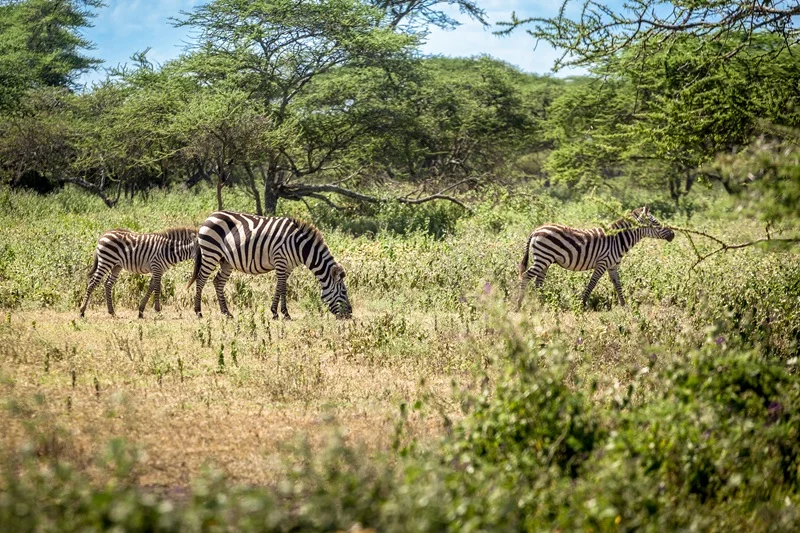
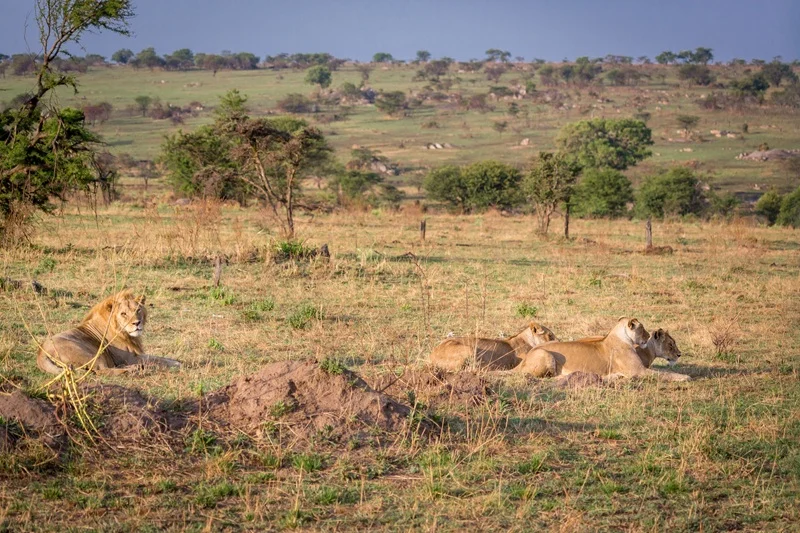
If your dates cannot move, the best time for a Serengeti safari is whenever you can get there. The herds are only ever in one part of the park, and the rest of it still has animals. Seronera holds lions, leopards, giraffe and elephant year round because of its water. Soit Le Motonyi in the east holds big cats in every month.
April, May and early December are the hardest months to find the herds. They are also the cheapest and emptiest months to be there. If you are coming for cats rather than wildebeest, those months cost less and cost you nothing in sightings.
Birding in the green season
November and December are the strongest birding months, because the migrant species arrive with the short rains. TANAPA has recorded more than 530 bird species in the park and says about a quarter of them migrate each year. The long rains from March to May are the second window, with resident species in breeding plumage and far fewer vehicles on the tracks.
Our pick
The best time to visit Serengeti National Park, in short
It depends on which of these you came for. General game viewing points to June to October. For the Mara River crossings, August to October at Kogatende. Calving means Ndutu in late January or February, while the lowest rates and the emptiest tracks come in April and May. Resident big cats carry no seasonal constraint at all, so the eastern Serengeti works in any month.
If you asked us to book one month, we would go in October. The crossings at Kogatende can still happen, the August and September vehicle numbers have thinned, the ground is dry, and our northern camp takes guests until 15 November.
There is a cost to that choice. By October the herds may already be drifting south, and a crossing is never a certainty in any month. If watching one cross is the entire point of the trip, book August or September instead and accept the traffic at the river. The country-level picture, across all six parks we operate in, is in the best time to visit Tanzania.