A shared small-group safari combines separate bookings on one planned departure. A private group books its vehicle together. Both can involve a small number of travellers, but their daily arrangements differ.
Before choosing a Tanzania small group safari, check three things: vehicle occupancy, room arrangements and departure conditions. A small tour does not automatically mean spacious seating, a private room or a confirmed departure.
At Mawe, our private safaris keep your booking party together with its own vehicle and guide. We do not add strangers to your vehicle. This guide explains shared tours and the private-group alternative, so you can compare the right arrangements.
| Your priority | Arrangement to consider | Check before booking |
|---|---|---|
| Meeting other travellers | A shared departure | Group profile, room options and confirmed dates |
| Travelling with your own friends | A private group | Vehicle allocation and the agreed itinerary |
| Spending longer on photography | A specialist departure or private trip | Guide expertise, seating and time at sightings |
| Keeping the price manageable | Comparable shared and private quotations | Complete inclusions, room occupancy and party size |
What counts as a small group safari in Tanzania?
The phrase describes the scale of a trip, but it does not define every booking detail. Operators use it for different arrangements. Read the actual itinerary and conditions rather than relying on the label.
Tour size and vehicle size are different
A tour can use several vehicles. You might share meals with the entire group while travelling with fewer people during game drives.
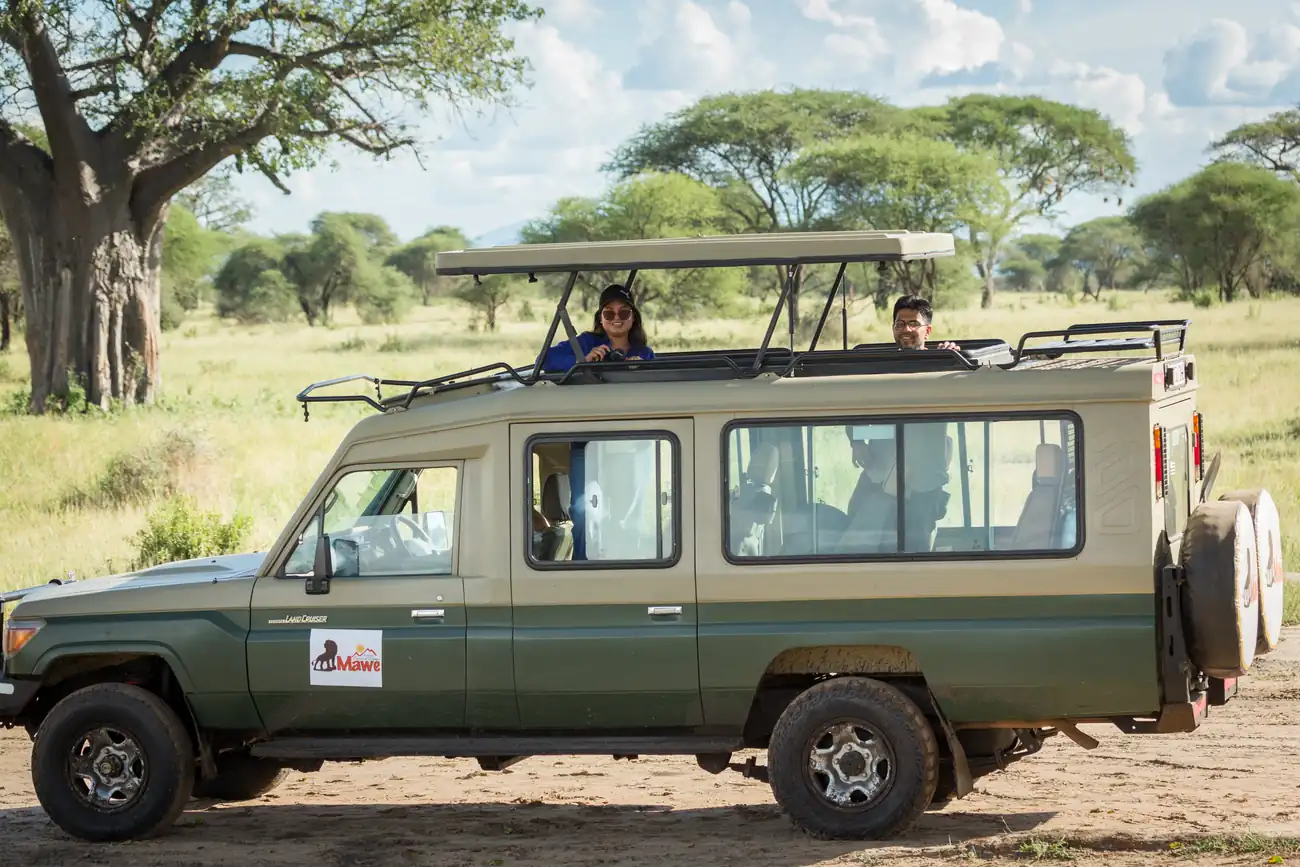
Ask for the maximum number of guests in each vehicle, not just the total group size. Then ask about the seating layout. A stated passenger capacity does not explain window access, legroom or space for camera bags.
Vehicle arrangements can also change between parts of a trip. A road transfer, park drive and airport pickup might use different vehicles. Check the arrangements for each, especially when your booking includes flights.
Shared departures and private groups
On a shared departure, separate travellers book places on an operator’s itinerary. The group follows agreed dates and a planned route. Changes usually need to work for everyone involved.
A private group consists of one booking party. Friends, relatives or colleagues can book this way without joining other guests. The number of travellers alone does not determine whether a trip is private.
Overland tours form another category. Some use larger vehicles and involve camping duties. Ask about equipment, accommodation and participation before comparing them with lodge-based safari tours.
Who suits a shared small-group safari?
Shared tours can suit travellers who enjoy company and accept a common schedule. For someone travelling alone, meeting people can matter as much as sharing costs.
Couples may also enjoy travelling with others. The decision depends less on relationship status than on expectations. Consider how you feel about shared meals, fixed departure times and decisions made for the whole group.
| Potential benefit | Corresponding compromise |
|---|---|
| Company throughout the trip | Less control over the social setting |
| Shared vehicle and guiding costs | The itinerary may be fixed |
| Someone else organises the route | Changes may affect other guests |
| Specialist interests shared with others | The departure must match your interests |
Think about an ordinary game drive. You may want another hour watching birds while another guest wants to find lions. Neither preference is wrong. The guide must balance those wishes within the itinerary.
Children, mobility needs and particular interests deserve a closer conversation. A general group tour may work well, or its pace may be unsuitable. Discuss the actual daily demands before paying.
If your own party wants more control, read about our Tanzania private safaris. That page explains our vehicles, guiding and itinerary arrangements.
What to check about vehicles and guiding
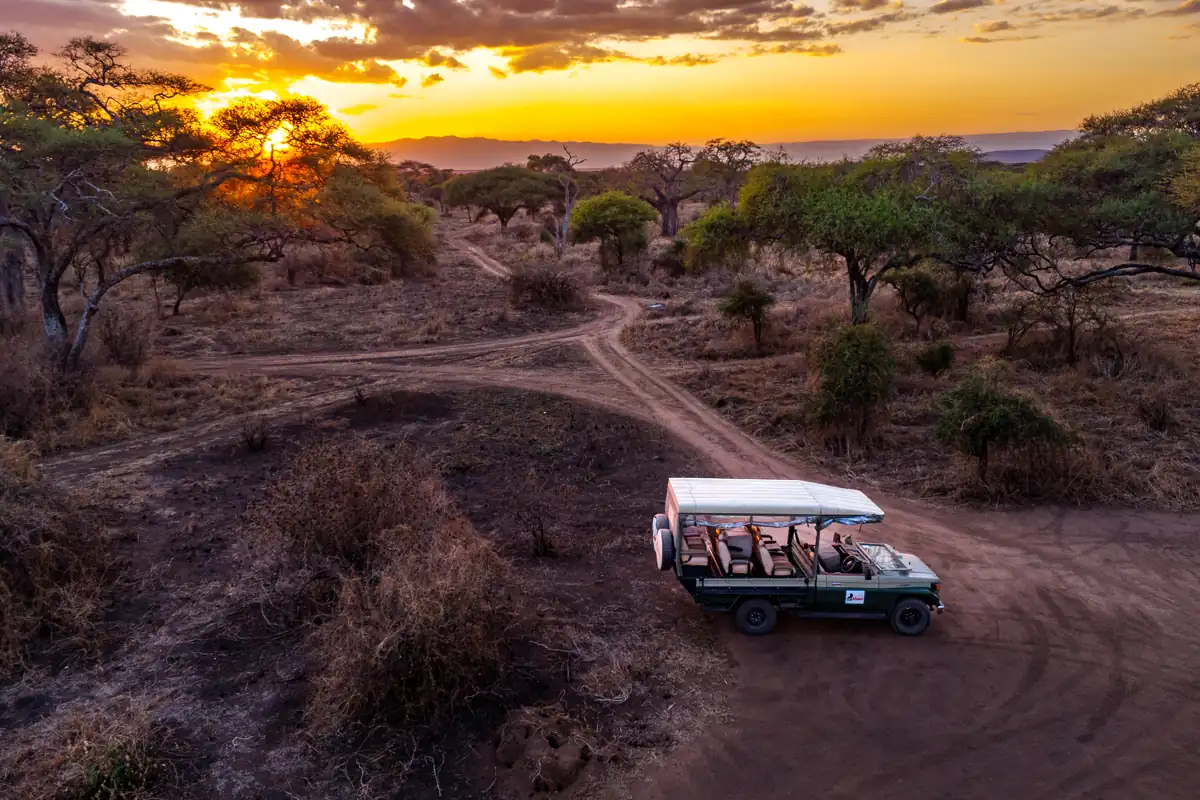
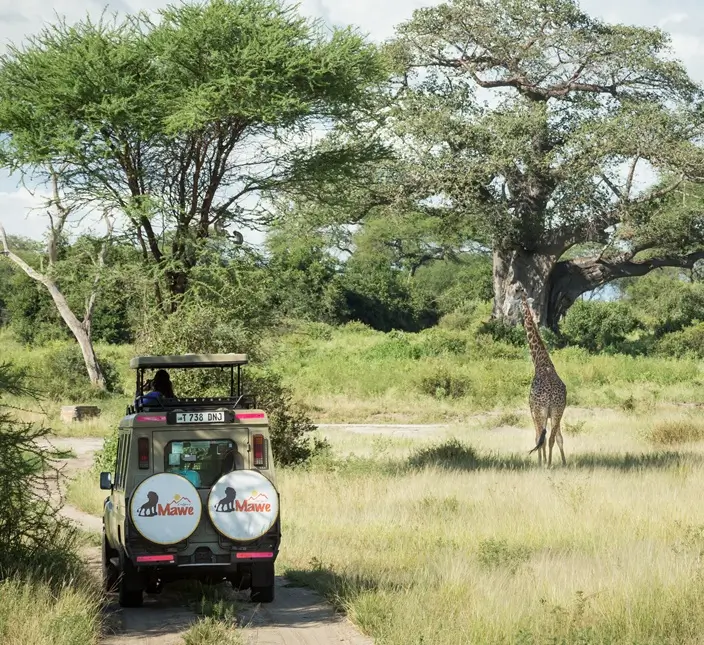
Your vehicle shapes much of the experience. A photograph of an empty safari vehicle tells you little about its booked occupancy.
Seating and viewing space
Ask whether each guest receives a window position during game drives. If seats rotate, find out how that works. A rotation system can affect someone who needs particular access or carries substantial photographic equipment.
Ask whether your travelling party stays together. This matters when friends book separately or when a tour uses multiple vehicles. Put the preference in the booking conversation rather than assuming staff will know.
Consider luggage too. Bags that fit comfortably during a short airport pickup may occupy useful space on a longer road journey. Tell the operator about unusually large equipment before accepting the vehicle arrangement.
For fly-in itineraries, check who operates the game drives after landing. The flight booking and the camp’s driving arrangements are separate parts of the trip. Your flight companions may not become your safari companions.
Driver-guides and tour leaders
A driver-guide handles the vehicle and guides the safari. A tour leader may coordinate the wider group. Some trips include both roles; others do not.
Ask who will work with your vehicle, which languages they use and whether staff change during the route. These details matter more than a general promise of expert service.
For photography or birding, ask what makes the departure specialist. Useful differences could include the leader’s experience, the daily pace or time allocated to particular locations. A themed title alone does not establish those differences.
Your own expectations matter here. Someone learning photography may want instruction, while an experienced photographer may want positioning and patience. Explain the help you want.
How group safari prices and room arrangements work
Shared tours divide some fixed costs among several travellers. However, a lower headline price does not automatically mean better value. Accommodation, park access, flights and activities can change the comparison.
Start with the same dates and number of nights. Then compare the accommodation category and actual route. A cheaper trip with fewer park nights answers a different brief.
Single rooms and roommate matching
Sharing a safari vehicle does not require sharing a bedroom. Some operators offer single rooms, while others offer roommate arrangements. Availability and charges depend on the departure.
If you want your own room, request that arrangement in the quote. Ask whether the supplement applies throughout the trip or only at certain properties.
If you are considering a roommate, find out how matching works. Ask what happens if no suitable person joins. Establish whether you can decline a match and what that changes financially.
Bathroom arrangements also deserve attention. A private bedroom does not necessarily establish whether the bathroom is private. Check the named accommodation rather than assuming all camps work alike.
Compare the complete quotation
Use the following categories when comparing offers:
- Accommodation and room occupancy.
- Meals and drinks included each day.
- Game drives, guiding and vehicle use.
- Park entry and crater charges.
- Airport and hotel transfers.
- Domestic or international flights.
- Optional activities and their transport.
- Tips, personal expenses and cancellation conditions.
Ask the operator to identify anything payable separately. Avoid comparing one price that includes flights with another that covers land arrangements only.
For your own group, compare the total party cost as well as the price per person. Several friends sharing a private vehicle may see a different balance from one solo traveller. Ask for an actual quote rather than assuming either format always wins.
Check the route and departure conditions
An advertised departure may still depend on enough guests booking. A confirmed departure has met the operator’s stated requirements. Establish which status applies before buying other non-refundable travel.
Minimum numbers and confirmation
Ask whether the trip needs a minimum number of guests. If it does, request the confirmation deadline and the options if that number is not reached.
Possible alternatives depend on the operator’s terms. They might involve another date, another trip or a different price. Read the actual conditions rather than assuming your preferred solution will be available.
Compare the confirmation terms as carefully as the price:
| Status or condition | What it means for your decision |
|---|---|
| Departure still needs participants | Your preferred date may remain uncertain |
| Supplement offered instead of cancellation | Compare the revised total before accepting |
| Alternative departure offered | Check the effect on flights and accommodation |
| Confirmed departure | Read the remaining change and cancellation conditions |
A confirmed departure is not a guarantee against every disruption. The written terms still govern changes.
An advertised departure calendar also needs context. Ask whether the date refers to airport arrival, the first hotel night or the first park visit. Those differences can affect flights and accommodation before the safari.
Start points and usable safari time
Arusha and Moshi appear in many northern Tanzania itineraries, but the meeting point still needs a precise address. Airport collection may be included, optional or limited to particular arrival arrangements.
A departure advertised from Zanzibar or Dar es Salaam may include a flight or cover a different safari circuit. Read the whole route before comparing its duration with an Arusha departure.
Count nights and activities, not just park names. One itinerary may pass through a region while another allows a full day there. A longer destination list does not automatically provide more wildlife-viewing time.
For a Serengeti trip, identify where you sleep and which days include substantial travel. Ask the operator to distinguish transfer time from game-drive time. Avoid treating every journey through a park as an equivalent safari day.
Accommodation, meals and activities
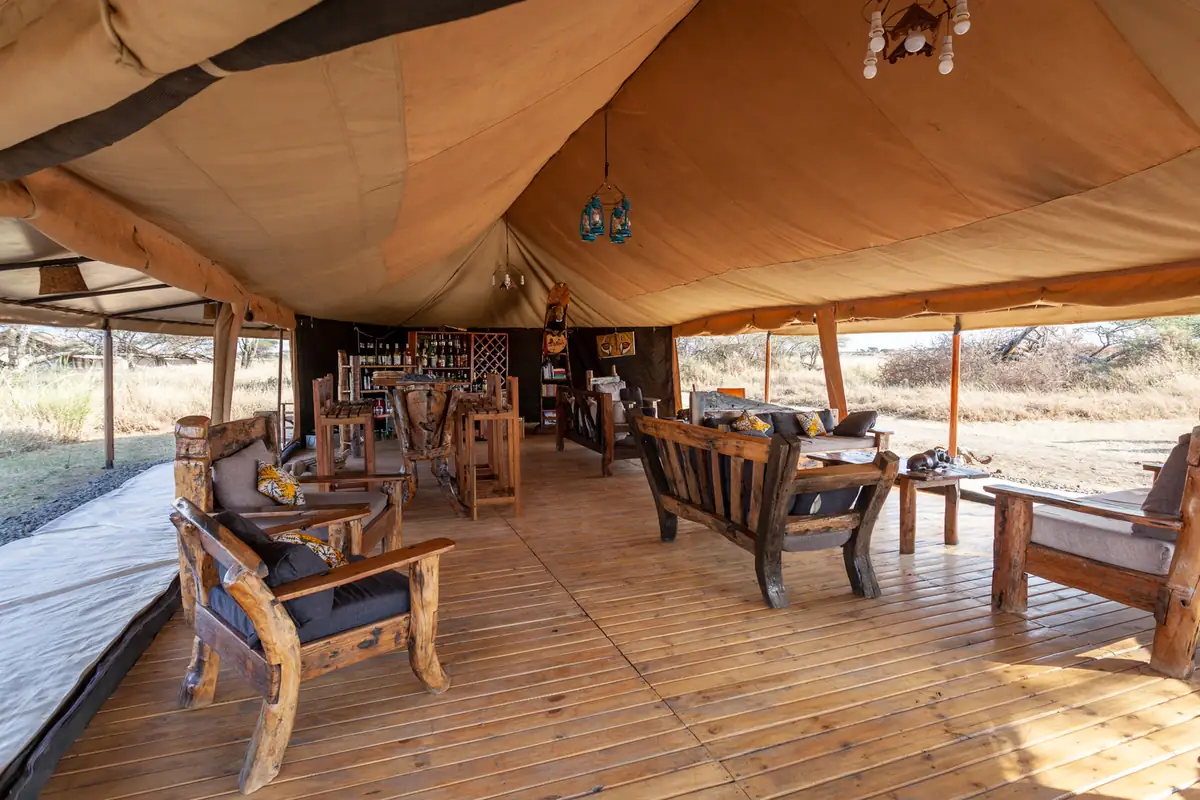
The word safari does not establish your accommodation standard. Basic camping, permanent tented camps and lodges offer different arrangements. Look at the actual properties and room descriptions.
Confirm bedding, bathroom access and any camp duties. If the accommodation can change, ask what standard the replacement must meet. A broad category such as mid-range may not answer your practical questions.
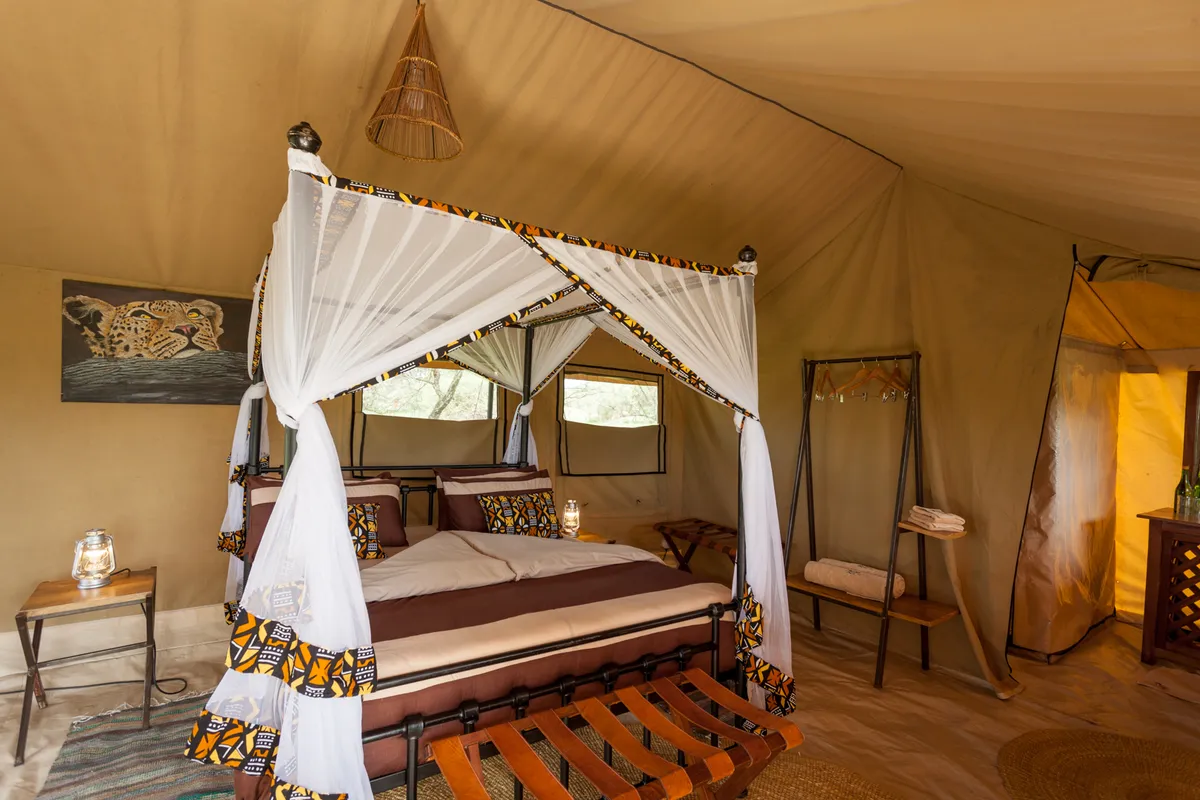
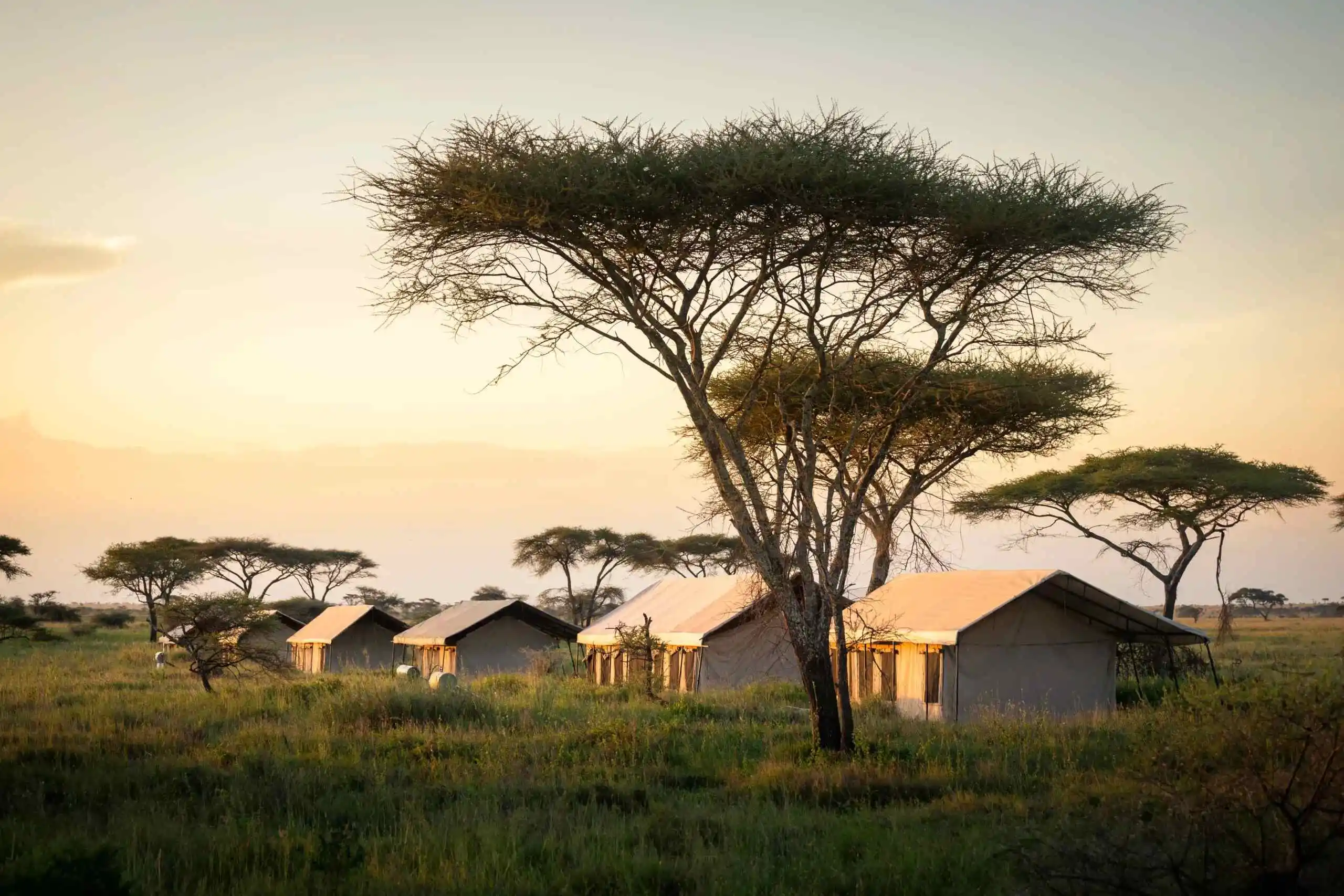
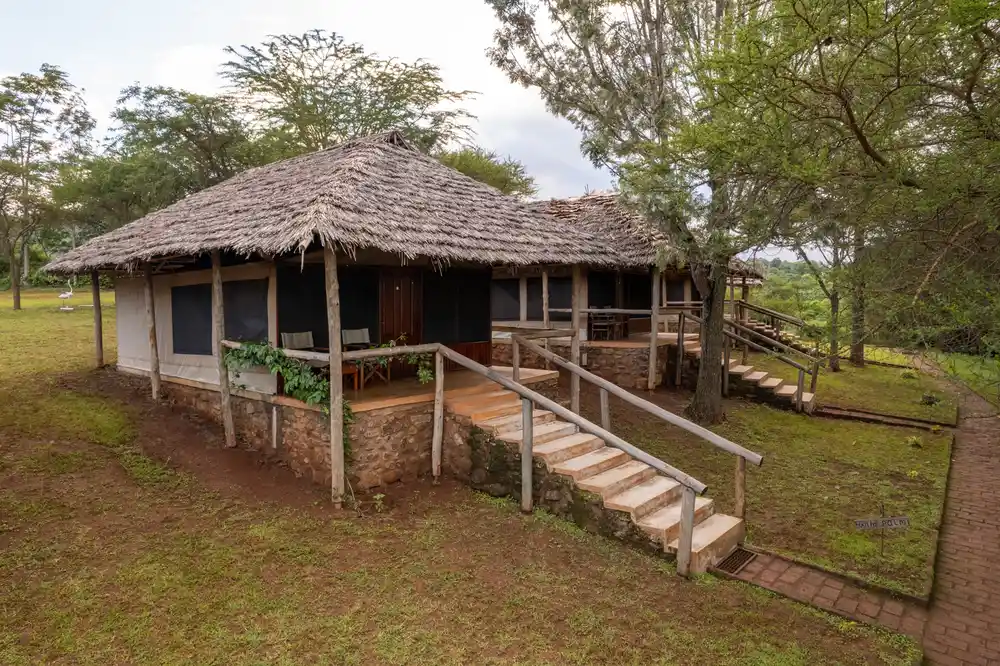
For an example of our accommodation, see Mawe Tented Camp. Its property page covers the camp itself, rather than a shared-departure programme.
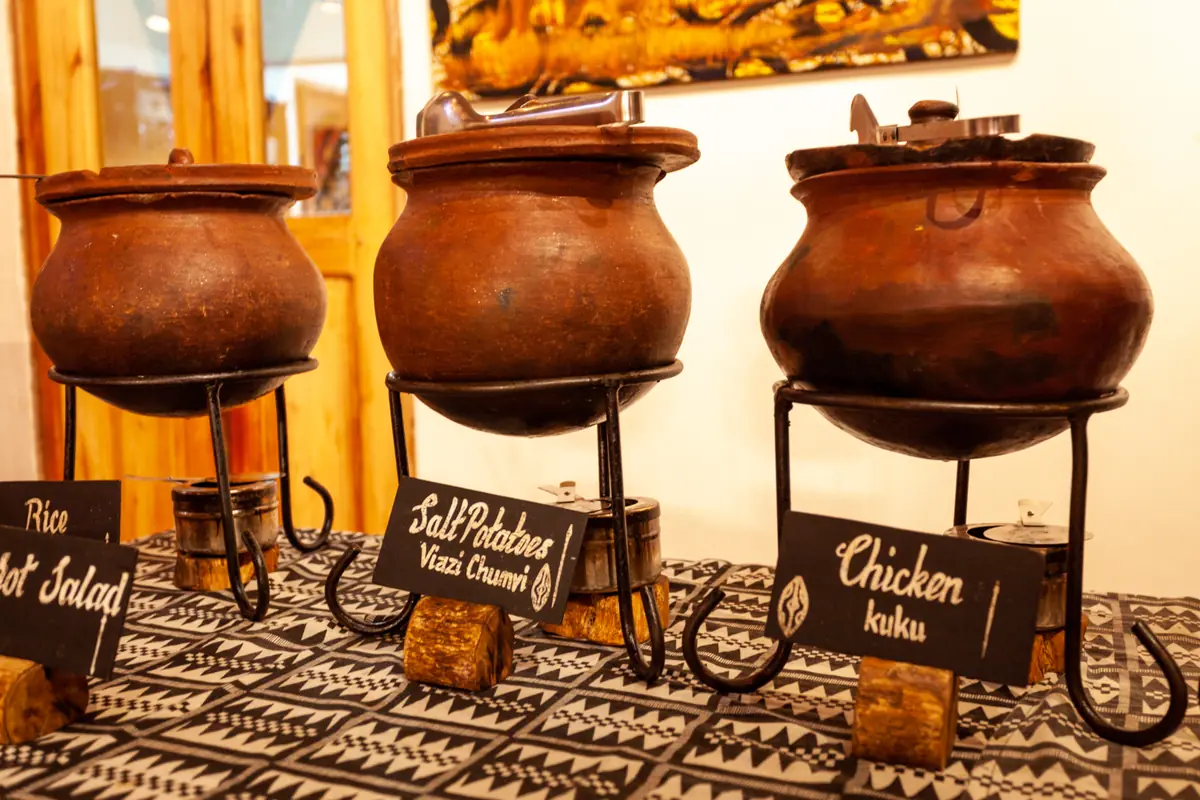
Meal arrangements deserve the same attention. Find out which meals are included, how drinks are charged and whether dietary requests need advance notice. Explain allergies clearly rather than relying on a short booking-form label.
Optional activities require separate checks. Walks, balloon flights, night drives and community visits depend on the itinerary and applicable arrangements. An activity mentioned in a brochure may carry an additional charge.
Ask how optional activities fit the group schedule. If you choose an excursion while others decline, confirm the transport and meeting arrangements afterwards. This avoids treating an optional activity as a simple addition when it changes the day’s logistics.
Choosing dates for a group safari
Choose dates alongside the route. A departure calendar tells you when a tour operates; it does not establish what wildlife you will see.
If a particular migration region matters to you, check whether the itinerary visits that region during your dates. A general Serengeti label is not enough to identify the planned area.
Weather can affect the character of a trip, but another traveller’s experience is not a forecast. A pleasant rainy-season journey does not guarantee similar conditions for your departure.
Ask about seasonal accommodation and what happens if the planned property cannot operate. Keep the discussion focused on the booked route. You do not need a complete Tanzania weather guide to decide whether one departure meets your priorities.
Our trip-planning page provides wider preparation context once you have settled the travel format.
Questions to settle before paying
Some details only become visible when you follow the trip from arrival to departure. Work through that sequence once with the operator.
Start with your arrival. Confirm the meeting point, the contact number and the procedure if your inbound journey runs late. Then check whether a missed transfer changes the first night’s arrangements.
Next, confirm the named accommodation or substitution standard. Establish any age restrictions and discuss mobility requirements against the actual vehicles and properties. A general statement that everyone is welcome does not answer access questions.
Finally, check the balance deadline, cancellation schedule and responsibility for separately booked services. Keep those terms with your confirmation.
Prepare luggage according to the transport you have booked. Our safari packing guide covers the wider clothing and equipment questions. Airline restrictions still need checking separately when your itinerary includes flights.
Health, entry and insurance requirements depend on your circumstances and route. Check them with the appropriate authorities and providers before travel. A group booking does not remove those individual responsibilities.
Travelling as your own small group with Mawe
Our safari arrangement keeps your booking party in its own vehicle with its own guide. You can travel with friends or family without joining strangers. Private travel still operates within the confirmed itinerary, bookings and park rules.
Tell us your dates, party size and the places you want to visit. Mention children, mobility needs and particular interests during planning. We can then discuss the arrangements that fit your group.
Use our private safari page for detailed service information and current package context. If you want a seat on a shared departure, distinguish that request clearly from a private-group enquiry.
Small group safari questions
Can a group use more than one vehicle?
Yes. The total tour size can be larger than the number travelling in each vehicle. Ask how vehicles are allocated and whether your booking party stays together. Also check whether groups meet for meals or follow separate daily arrangements.
Can children join a shared departure?
That depends on the operator, accommodation and activities. Ask about the specific departure rather than a general family policy. Consider daily drive lengths and breaks alongside age restrictions. A permitted age does not automatically mean the itinerary suits your child.
Can I skip a group activity?
Ask how the itinerary handles this before booking. Staying at camp may be possible, but transport and meeting arrangements still matter. If the activity takes place during a transfer, skipping it may require another arrangement. Do not assume declining creates a refund.
Can friends book privately without filling a vehicle?
A private booking concerns exclusive use, not whether every seat is occupied. Ask for a quote for your actual party. At Mawe, we keep the vehicle for your booking party. We do not fill spare seats with other guests.