Tanzania can be a suitable destination for a carefully planned, guided safari, but no trip is risk-free. Your route, transport, accommodation, health preparation and behaviour around wildlife all matter. Check current travel advisories, choose an established operator and follow your guide’s and camp team’s instructions throughout your stay.
For someone planning a first safari, “Is Tanzania safe?” usually means several different things. Will animals come close to the tent? Can children stay in a bush camp? How do you get from the airport to the Serengeti? What happens if you become unwell far from a hospital?
Those questions deserve practical answers. At Mawe Lodges, our accommodation and safari information explains the arrangements travellers should check before booking, from staff escorts after dark to choosing the correct airstrip. This guide brings those preparations together with current official travel advice.
Information checked: 16 November 2026. Check the linked official guidance again before travelling.
Is Tanzania Safe to Visit Right Now?
There is no single safety assessment that applies equally to every visitor and every part of Tanzania. A northern safari itinerary, an independent city stay and travel near an international border involve different considerations.
At the time of review, the US Department of State lists Tanzania at Level 2: Exercise Increased Caution, with a higher regional warning for the Mtwara area bordering Mozambique. Its guidance identifies crime, terrorism, health, unrest and other concerns. Read the full US Tanzania travel advisory, including the sections relevant to your circumstances.
Travellers from other countries should also consult their own government’s advice. Warning categories and geographical boundaries differ between authorities. The UK publishes a separate regional risk guide for Tanzania, which should be checked against the actual route you intend to follow.
What this means for your safari
Start with the places on your itinerary rather than a general description of the country. Ask your operator to explain the airport pickup, overnight stops, park visits and onward connections.
Avoid demonstrations and political gatherings. Conditions can change, and disruption may affect transport or communications even when your accommodation is elsewhere. Keep essential contacts available offline and tell your operator promptly if your arrival arrangements change.
A booking confirmation should give you enough information to understand who is responsible for each part of the journey. If something is unclear, resolve it before departure.
How Does Safety Vary Across Tanzania?
The precautions you need change as you move between towns, wildlife areas and the coast.
| Part of the trip | What to consider | Practical preparation |
|---|---|---|
| Serengeti and other wildlife areas | Animal encounters, remote locations and camp movements | Follow guide instructions and learn the camp’s procedures |
| Arusha, Moshi and Dar es Salaam | Transfers, personal belongings and unfamiliar streets | Arrange transport and ask locally before going out |
| Ngorongoro and the highlands | Weather, clothing and onward road journeys | Carry suitable layers and allow realistic transfer time |
| Zanzibar and coastal stays | Local customs, beach conditions and marine activities | Check current advice and use reputable activity providers |
| Border regions | Location-specific official warnings | Check the exact route against current advisory maps |
Serengeti, Ngorongoro and the northern circuit
Mawe’s northern Tanzania routes connect destinations such as Serengeti, Tarangire, Lake Manyara and Ngorongoro. These places should not be treated as interchangeable when planning travel days or accommodation.
For example, staying inside Tarangire at Baobab Tented Camp creates a different daily routine from using Karatu Tented Lodge as a base. A central Serengeti stay also requires different transfers from a northern Serengeti visit.
Use our camps and lodges guide to understand the settings before choosing your route. Being inside a wildlife area brings you closer to the surroundings, but it also makes staff instructions particularly important.
Cities, towns and Zanzibar
Take ordinary personal-security precautions seriously between safari activities. Keep valuables discreet, arrange transport through your accommodation or operator, and avoid unfamiliar or isolated places after dark.
If you add Zanzibar, check its local requirements and activity arrangements separately. A safari booking does not automatically establish who provides your island transfers, boat excursions or accommodation.
For current crime, transport and cultural guidance, consult the UK’s Tanzania safety advice.
Are Tanzania Safaris Safe Around Wild Animals?
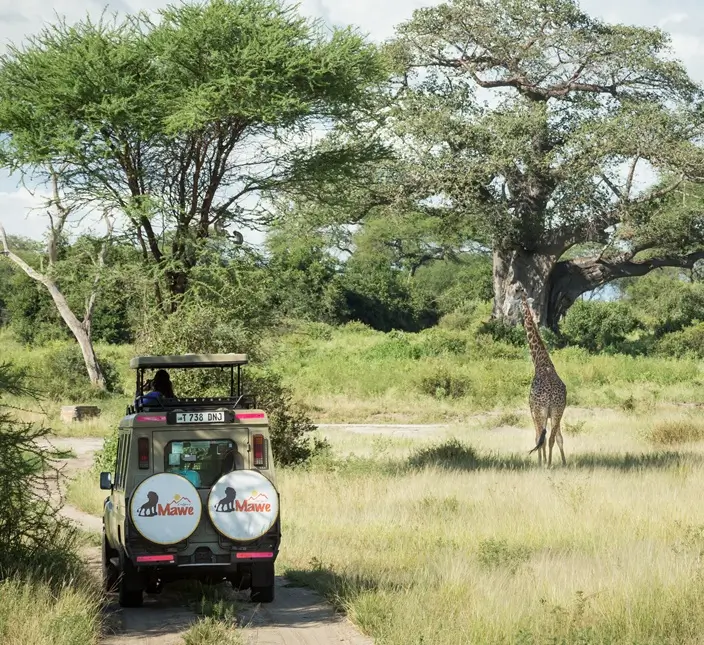
A guided safari provides structure and local expertise, but the animals remain wild. Your guide decides how the vehicle approaches a sighting, where it stops and when it is appropriate to move on.
During a game drive
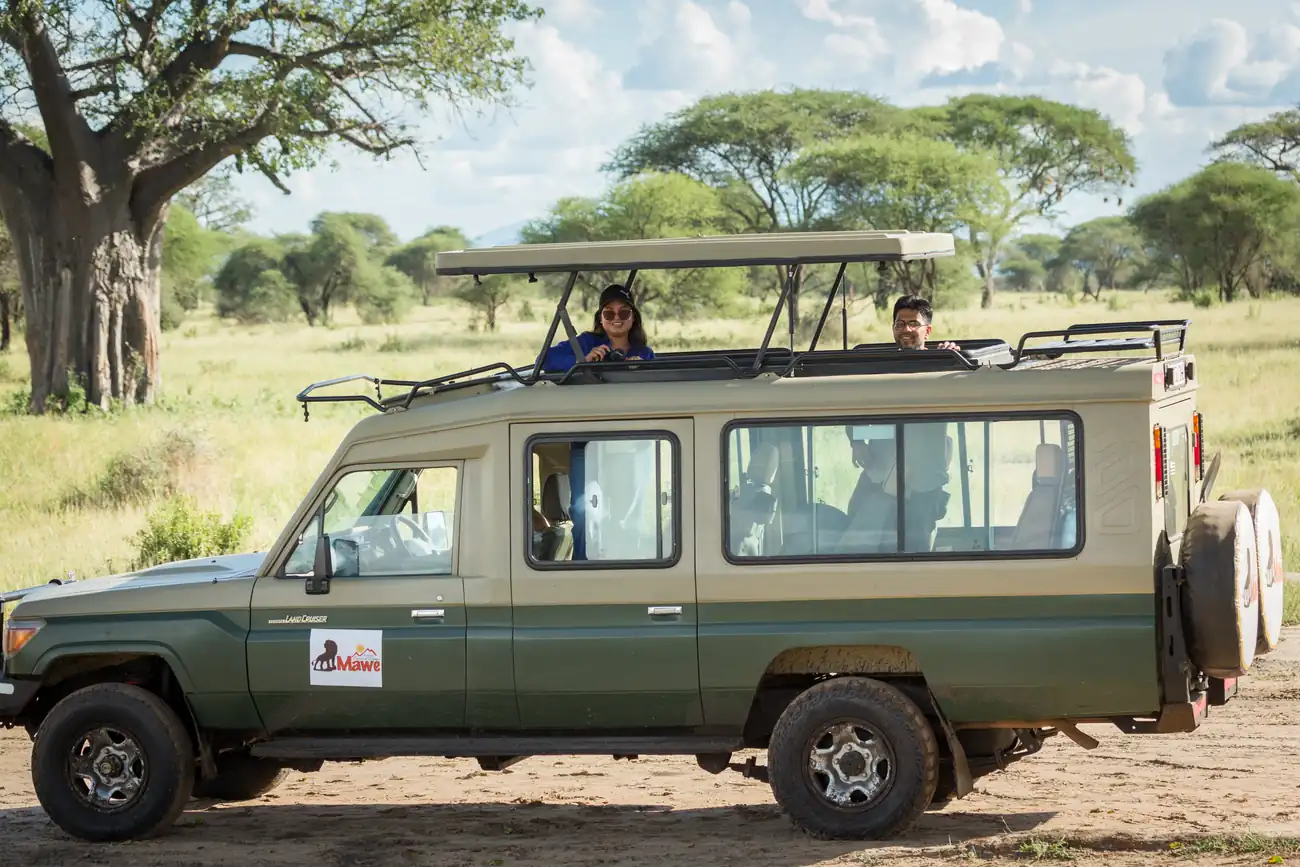
Listen to the briefing before setting off. Stay inside the vehicle unless your guide specifically permits an exit, and do not feed wildlife or attempt to attract an animal’s attention.
Photography should fit around those instructions. If a branch blocks your view, ask whether the vehicle can reposition rather than leaning out or leaving it. A close sighting is not permission to reach towards an animal.
Tell your guide if someone needs a comfort stop. The appropriate place depends on the surroundings, and a quiet stretch of track is not automatically a suitable stopping point.
Our game-drive information explains the different outings available. Choose a schedule that suits your party rather than assuming every day needs to be a full-day drive.
Walking safaris and other activities
A walking safari is a separate guided activity, not an independent walk from camp. Mawe’s walking safari page describes departures with a professional guide and an armed ranger, beginning with a safety briefing.
The published minimum age for Mawe’s standard bush walks is 12. Younger children may have different options around Karatu, which should be discussed when planning.
Balloon flights and other specialist activities need their own eligibility, weather and booking checks. Being able to stay at a camp does not mean every activity is suitable or included.
If wildlife approaches
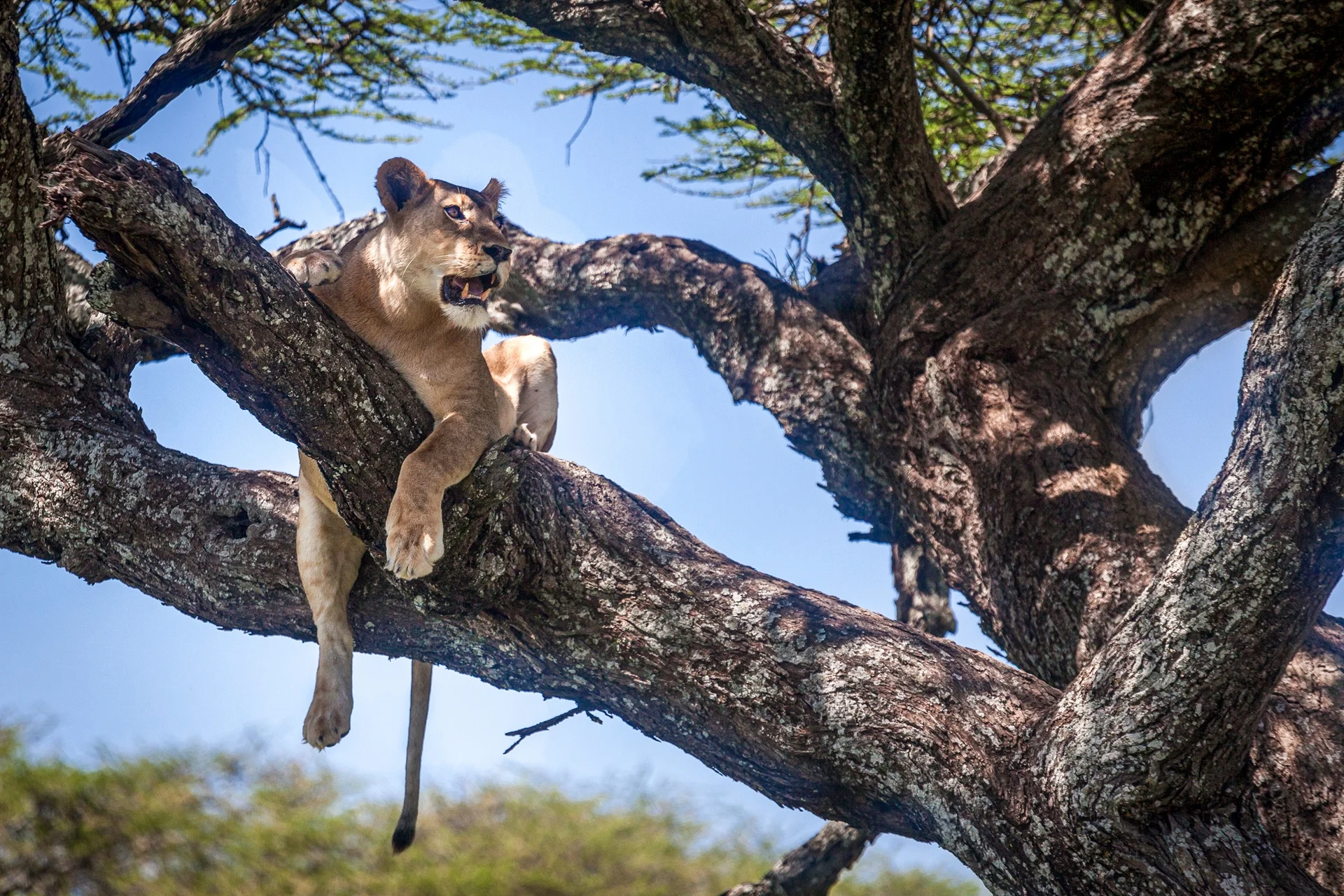
Follow the guide’s instructions rather than trying a technique remembered from a video. Responses depend on the animal, distance and situation.
The same principle applies at camp. Do not approach an animal for a photograph or assume that an animal seen regularly around the property is tame.
Are Safari Lodges and Tented Camps Safe?
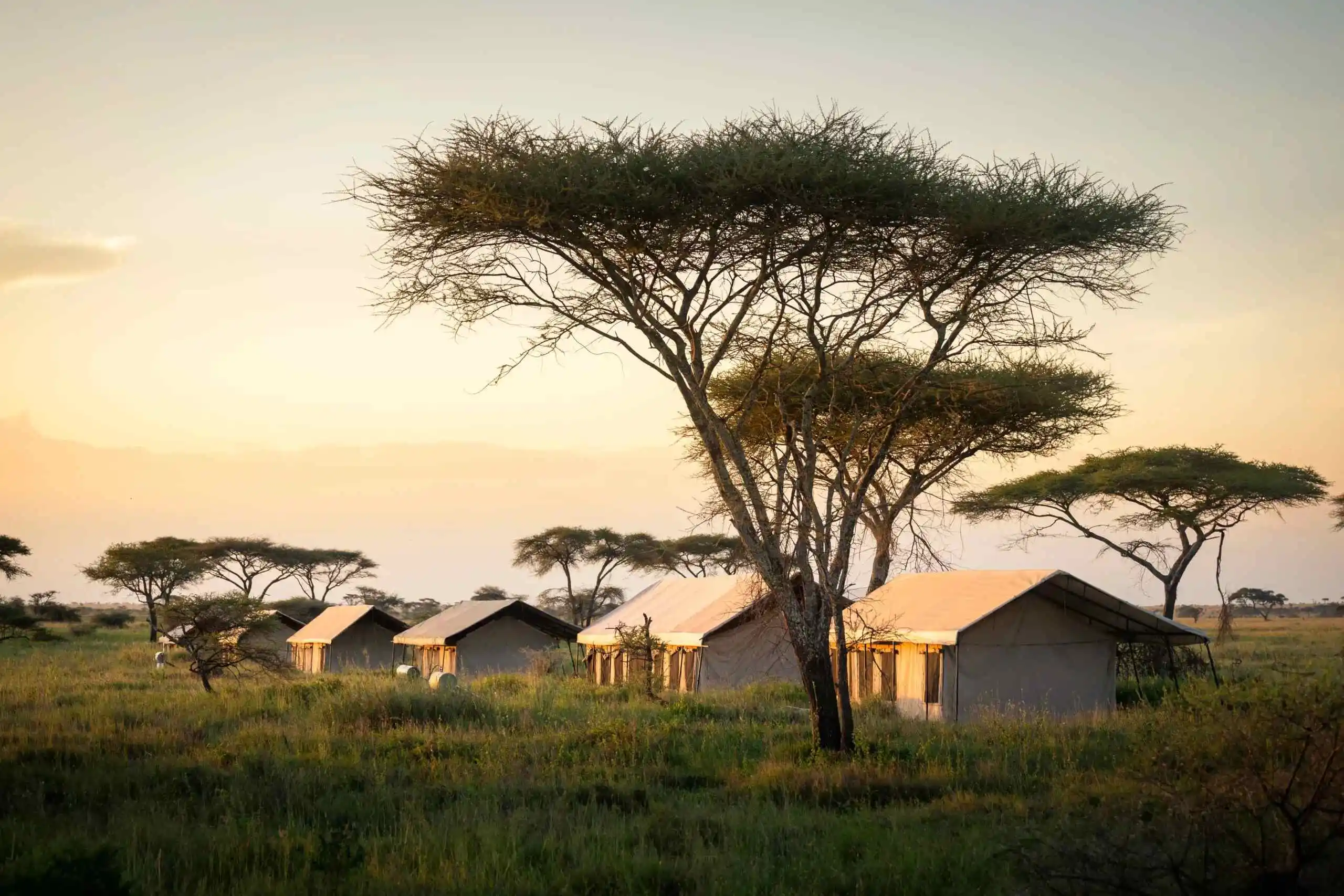
A staffed tented camp can provide an organised place to stay in a wildlife area. Its procedures, layout and staff support matter more than a general promise that canvas, a platform or a fence removes every risk.
Understanding an unfenced camp
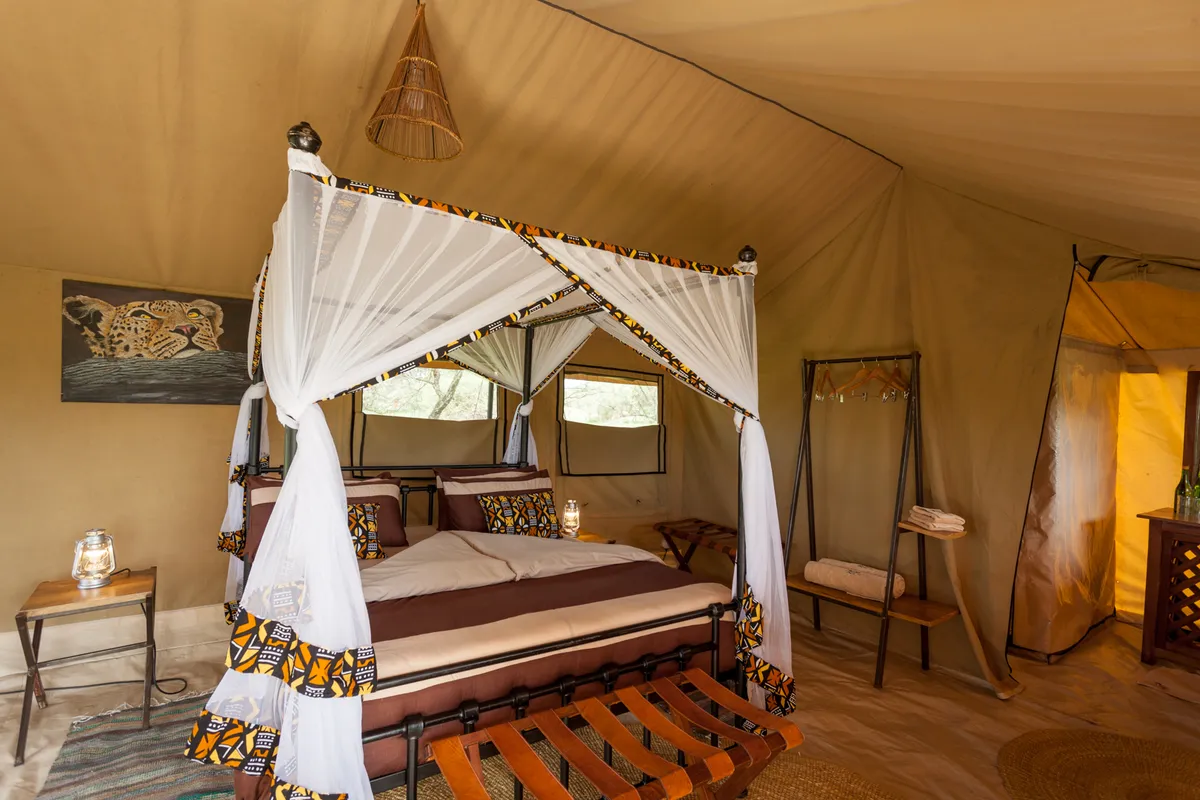
Mawe Tented Camp and Baobab Tented Camp are unfenced, and animals can move through their surroundings. Both property pages describe staff accompanying guests to their tents after dark.
That arrangement is part of the stay. A visible restaurant, a lit path or another guest walking nearby does not establish that you should make the journey alone.
At arrival, ask which areas you may use independently, when assistance is required and how to contact the team from your room. Confirm the arrangements for an early departure as well as the return from dinner.
Our dedicated guide to safari tent safety explains these questions in more detail.
Inside your tent
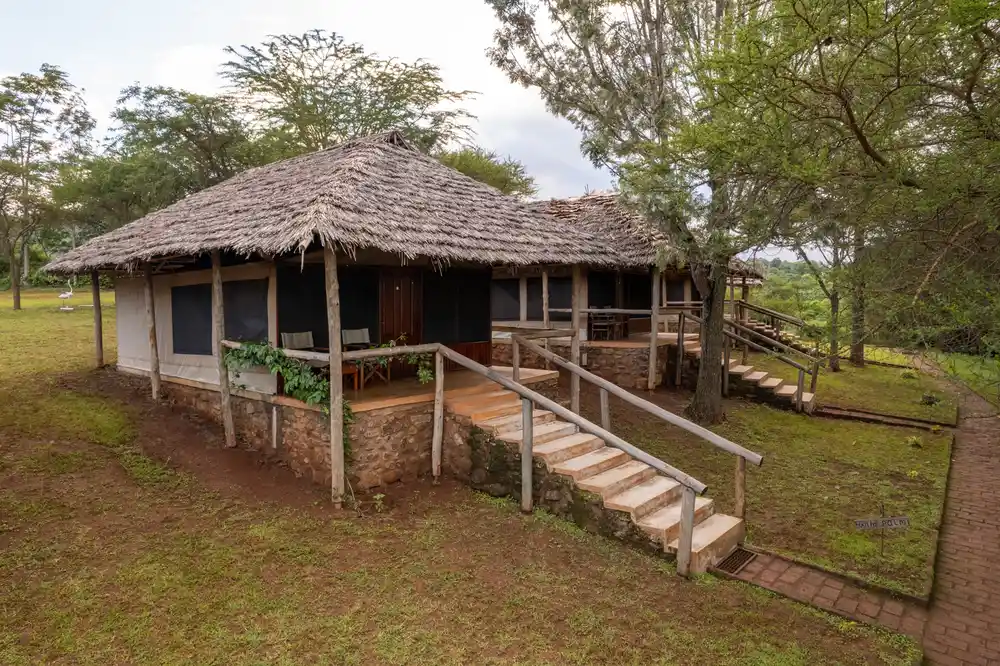
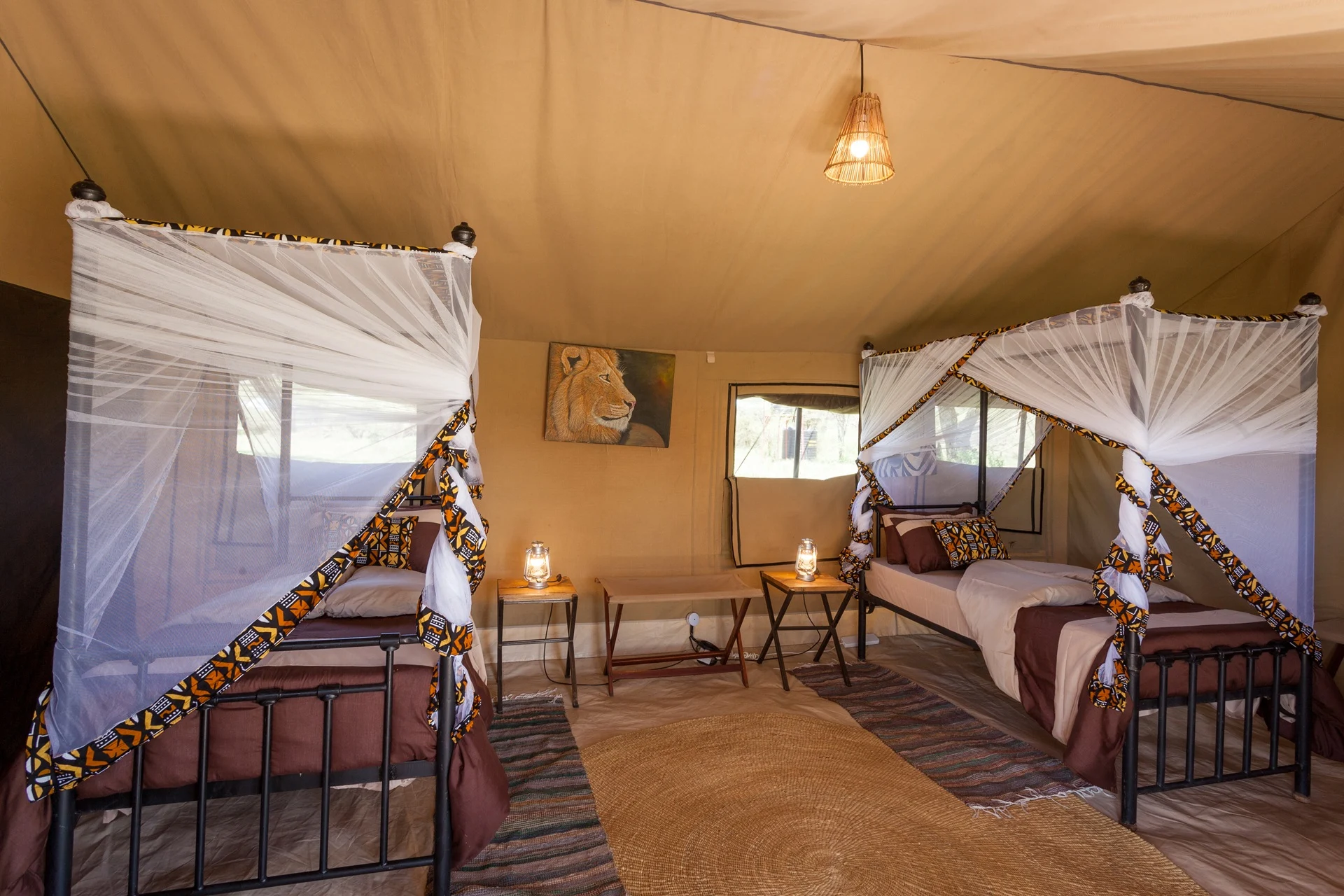
Mawe’s accommodation information describes en-suite bathrooms, so you should confirm the facilities of your booked room rather than expect a separate communal toilet.
Follow staff instructions about doors, screens, zips and food storage. Report a damaged fastening or mosquito net. If you have snacks for children or need food with medication, ask where those items should be kept.
Keep a light and the agreed staff contact method within reach. If you hear animals outside, remain inside and contact the team if you need assistance. Do not open the room and go looking for the source of the sound.
Choosing accommodation that suits you
Some travellers enjoy hearing the bush through canvas; others find that uncomfortable. Explain your preference before booking.
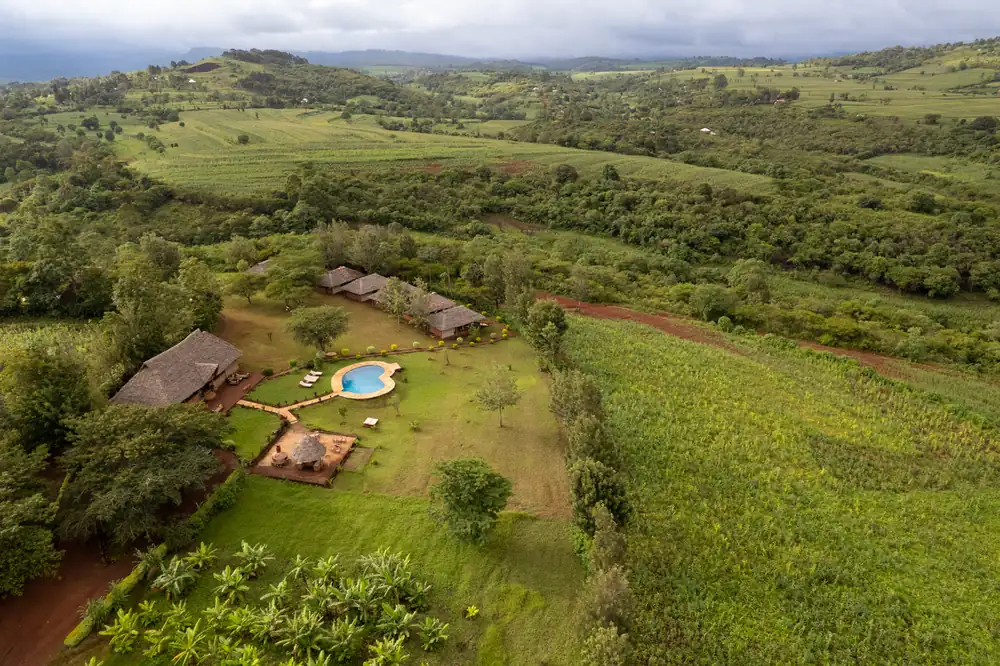
Karatu Tented Lodge has cottages and a different setting from the wildlife camps. However, changing accommodation can also change the itinerary. Discuss the whole route rather than treating one property as a direct substitute for any other.
For mobility needs, ask about steps, surfaces, bathroom access and the distance to shared areas. Photographs alone cannot confirm whether a particular room will work for you.
How Can You Travel Safely Between Airports, Parks and Lodges?
Good transfer planning starts before you land. Confirm your arrival airport, flight number, meeting point and the contact to use if the flight changes.
Airport pickups and road journeys
Know who is collecting you and how you will identify them. If someone offers an unexpected replacement transfer, verify it with the operator before leaving.
For road travel, discuss the length of the complete day, including stops and park visits. A journey described as a transfer may still involve rough tracks, dust and substantial time in the vehicle.
Mention motion sickness, back discomfort, frequent comfort stops or children’s needs while the itinerary is being designed. Those details can influence the route and the number of places worth including.
Use the vehicle’s seatbelts and tell the guide about any problem with seating or equipment before departure.
Flying versus driving
Flying may reduce a long road journey, but it does not remove the ground transfers. You still need to reach the departure airport and travel from the arrival airstrip to camp.
Mawe Tented Camp uses Seronera arrival information, while Kogatende is the airstrip to discuss for Gnu Mara River Camp. The correct flight follows your accommodation choice.
Our fly or drive to Serengeti guide compares the complete journey. Check the actual carrier, baggage allowance, assistance needs and onward connection. Consult current official airline-safety information when choosing a service; a shorter journey is not itself evidence that a particular flight is safer.
Self-driving or travelling with a guide
If you are considering self-driving, establish the vehicle requirements, route permissions and arrangements for breakdowns before committing.
A guided itinerary gives you a named person to manage the planned driving and wildlife activities. Check what the booking includes: an accommodation reservation or flight ticket does not automatically include a private vehicle and guide.
What Health Precautions Should You Take Before a Tanzania Safari?
Arrange a travel-health appointment early and take your complete itinerary, including transit countries and any beach or mountain extension. Advice should account for your medical history and planned activities.
Malaria and insect bites
Malaria prevention is relevant to Tanzania safari planning. The CDC identifies transmission in areas below 1,800 metres and recommends prescription prevention for travellers visiting relevant areas. Ask a clinician which preparation is appropriate for you; do not choose medication from a generic packing list.
Use suitable insect repellent and follow advice on protective clothing and sleeping arrangements. A mosquito net is useful, but it does not replace an individual prevention plan. Consult the CDC’s Tanzania health guidance.
Vaccinations and yellow fever certificates
Recommended vaccinations and border-entry requirements are different questions.
Yellow fever certification can depend on where you arrive from and where you transit. NaTHNaC describes requirements for travellers over one year old arriving from risk countries, including certain airport transits exceeding 12 hours. Check your exact routing with a travel-health professional and current authorities. NaTHNaC Tanzania guidance
Do not assume that advice given to a friend with a different flight route applies to you.
Food, drinking water and medication
Use drinking water supplied or identified as suitable by the property, and ask if you are unsure about a refill point. Mawe Tented Camp lists filtered drinking water in glass bottles among its facilities; this should not be interpreted as confirmation that every tap is a drinking-water source.
Tell the team about allergies and dietary needs before booking. Our food on safari guide explains why advance notice matters at remote properties. Confirm a specific requirement rather than relying on a general menu description.
Bring the personal medication you need and discuss storage or access requirements in advance. Our safari packing list includes prescriptions, sun protection, repellent and practical clothing.
Medical care and a Kilimanjaro extension
Medical facilities are limited, particularly away from major centres. Check that your planned destination can support your needs and that insurance addresses treatment and evacuation. FCDO health guidance
If you add Kilimanjaro, arrange specialist preparation for altitude and trekking. A safari health plan does not automatically cover the demands of a mountain climb.
Is Tanzania Safe for Families and Solo Travellers?
The right arrangements depend on the people travelling. Room choice, activity eligibility and the pace of the itinerary should be considered together.
Families with children
Tell Mawe the children’s ages when enquiring. Family and triple accommodation varies by property, and a family room does not mean every activity suits every child.
At unfenced camps, children need close adult supervision. The escort procedure applies to each journey after dark, including a return to the tent before the rest of the family.
Think about how much time your youngest child can comfortably spend in a vehicle. A private itinerary allows you to discuss the pace with your guide, but long transfers still need realistic planning.
Our Tanzania family safari guide covers rooms, routes and age-related activity considerations.
Solo travellers and women travelling alone
Confirm transfers and accommodation before arrival, and share your itinerary with someone you trust. Ask how to contact staff from your room and how assistance works when you are travelling alone.
For time outside the organised itinerary, get local advice before setting out. Avoid isolated places and arrange your return transport. Official guidance reports harassment and sexual assault risks, so broad reassurance should not replace practical precautions.
LGBTQ+ travellers
Same-sex sexual activity is illegal in Tanzania, including Zanzibar, and official guidance describes risks of harassment and arrest. Review the current legal and safety guidance carefully before deciding to travel. A guided booking does not remove those risks.
What Other Safety Issues Should Visitors Know About?
Several preparations are easy to overlook when most of your attention is on parks and accommodation.
Money, belongings and scams
Carry only what you need for the day and keep important documents and valuables secure. Check payment instructions directly with your operator if a message unexpectedly changes bank details or asks for an unusual payment.
Avoid booking an unfamiliar excursion under pressure. Establish who operates it, what is included and how you will return.
If you want to support a local cause, ask about an established organisation and what it needs. Mawe’s packing information describes its connection with the DOVE Foundation; discuss donations in advance rather than relying on an unsolicited request during the trip.
Local customs and photography
Ask before photographing people. Use your guide’s advice when visiting villages, markets or religious places, and check current restrictions before photographing sensitive locations.
A relaxed atmosphere at camp does not mean the same clothing and behaviour suit every town or community visit. Pack something appropriate for the places outside your safari accommodation.
Weather and changes to the itinerary
Rain can affect tracks, transfer times and flight arrangements. A flight should not be treated as a guarantee against weather disruption, and a dry-season booking does not remove the need for sensible planning.
Keep the operator informed about schedule changes. For an international departure, check the complete connection, including any transfer between airports. Arusha Airport and Kilimanjaro International Airport are separate places.
Leave room in the itinerary for the journey you actually need to make.
What Insurance and Emergency Arrangements Do You Need?
Check both Tanzania’s applicable inbound-insurance requirements and your own comprehensive travel policy.
NIC’s official guidance describes mandatory inbound cover for eligible foreign visitors entering mainland Tanzania, with exemptions applying to specified residents. Check your eligibility, dates and certificate requirements directly through the official NIC insurance portal.
If your trip also includes Zanzibar, confirm the current rules for your first point of entry and onward travel. Do not assume either that you need two policies or that one automatically satisfies every requirement without checking.
A mandatory policy should not be assumed to cover every activity, medical condition, cancellation or expense. Read the benefits and exclusions alongside your personal travel insurance, especially for evacuation and any mountain or adventure activities.
Before departure, save your insurer’s assistance number, accommodation contact and operator details offline. Share your itinerary with a trusted person.
At camp, establish how to request help. In a remote location, knowing the staff procedure is more useful than assuming your personal phone will always have reception.
Tanzania Safari Safety Checklist Before You Travel
Use this checklist alongside your booking confirmation:
- Check your government’s current advice against every region on your route.
- Confirm the operator, named accommodation and pickup arrangements.
- Arrange personalised travel-health advice.
- Check entry documents and any route-dependent vaccination certificate.
- Confirm applicable inbound insurance and comprehensive personal cover.
- Tell the team about allergies, medication, mobility needs and children’s ages.
- Check activity eligibility separately from accommodation.
- Confirm what guiding, transfers and activities your quote includes.
- Save contacts, insurance details and essential documents offline.
- At arrival, learn the camp’s movement, escort and communication procedures.
Resolve important questions before travelling. A clear answer tied to your room, dates and itinerary is more useful than a general promise that everything will be fine.
Frequently Asked Questions About Tanzania Safari Safety
Is Tanzania safe for American tourists?
Americans should assess their plans against the current US advisory and regional warnings. At this review, Tanzania is listed at Level 2 overall. An organised safari still requires health preparation, appropriate insurance and sensible precautions. Recheck the advisory before departure rather than relying on an older article.
Is it safe to sleep in a tent on safari?
A staffed safari camp has procedures for staying in wildlife habitat, but risk is not zero. Follow instructions for securing the room, storing food and contacting staff. At Mawe Tented Camp, published guest information includes staff escorts to tents after dark.
Can animals enter a safari camp?
Yes. Animals can move through unfenced camps, including Mawe Tented Camp and Baobab Tented Camp. Stay within the arrangements explained by staff. If an animal is near your tent, remain inside and contact the team rather than approaching it or going outside to take photographs.
Is Tanzania suitable for a first-time safari?
A first-time safari can be planned around your comfort, available time and interests. Start with a manageable route and ask practical questions about accommodation, driving days and activities. If sleeping under canvas worries you, explain that before choosing camps rather than hoping the concern disappears on arrival.
What happens if I become ill on safari?
Tell your guide or camp team promptly so they can help you seek appropriate care. Contact your insurer as required by the policy. Treatment and evacuation arrangements depend on your location and condition, which is why emergency contacts and suitable cover should be organised before travelling.
Plan Your Stay with Mawe Lodges
Send us your dates, guest numbers and the parks you would like to visit. Include children’s ages and any dietary, medical or mobility considerations that affect the arrangements.
Our team can discuss the accommodation, road or flight connections and activities that fit your plans. Your written proposal confirms the services included, while the property briefing explains the procedures for your stay.