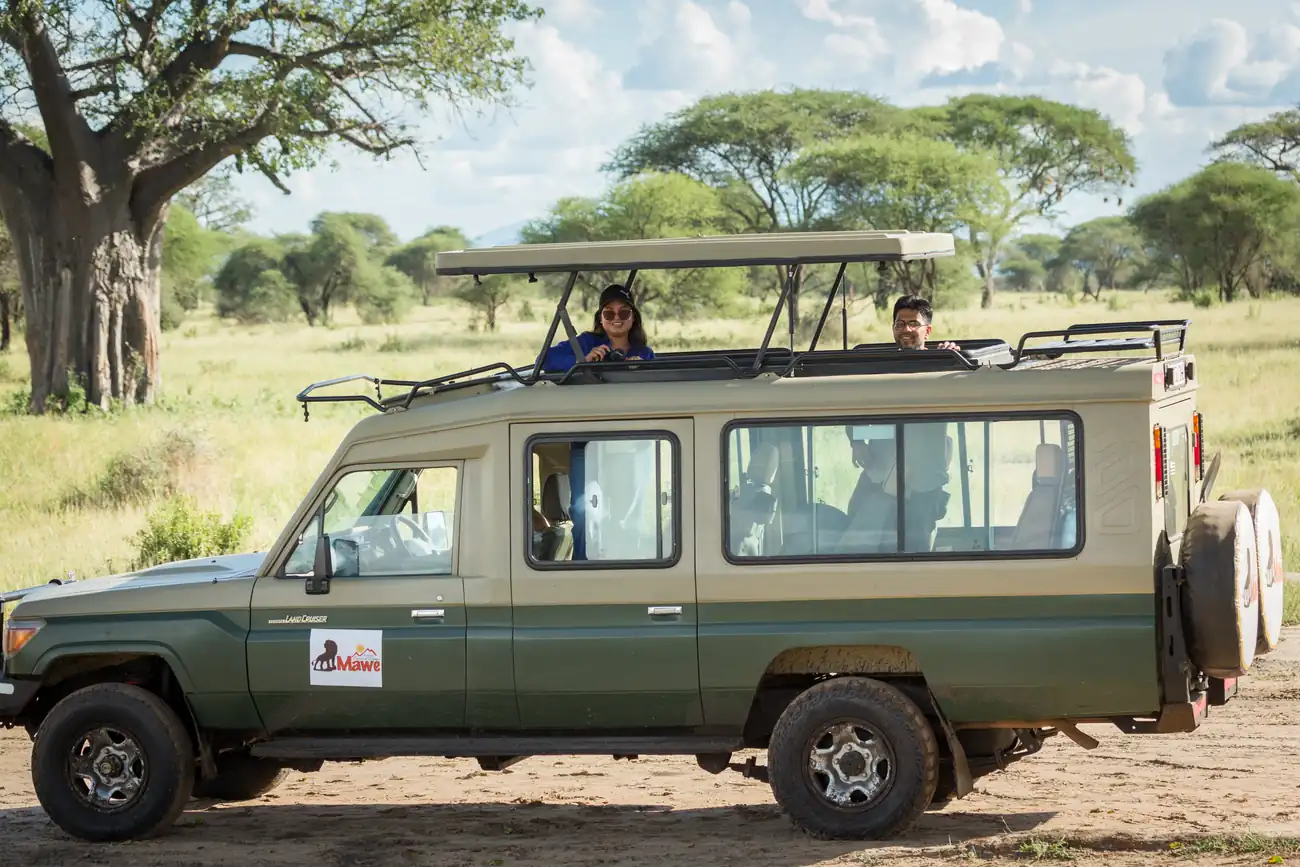
A typical Tanzania safari day with us includes wildlife drives, meals and time at camp or a picnic outing. Our morning game drives usually run from 06:00 to 09:30, followed by afternoon drives around 15:30 to 18:30. On a full-day drive, we head out around 07:00 and return around 17:00. We include a picnic lunch so you can stay out exploring.
These are typical timings for our game drives. Your day’s programme depends on your camp and route. Your guide will explain the plan before you head out.
The main choice is how you spend the middle of the day. Returning to camp gives you time in your room. Staying out lets the route continue without that return journey.
An example day with a break at camp
This example follows our usual morning and afternoon drive windows. Breakfast, lunch and dinner fit around the agreed outings.
Day four of our seven-day safari follows this pattern in the Serengeti. We start with an early drive, return for breakfast, then leave time before the afternoon outing.
| Time or stage | What the day can include |
|---|---|
| Before 06:00 | Get ready and have any agreed refreshments |
| About 06:00 to 09:30 | Morning game drive |
| Around the morning outing | Breakfast before departure, during a stop or after returning |
| Middle of the day | Lunch, rest and time at camp |
| About 15:30 to 18:30 | Afternoon game drive |
| After returning | Wash, change, eat dinner and hear the next day’s plan |
The drive windows do not establish park opening hours or permission to remain out after dark. Your guide adjusts the programme within local rules and operating conditions.
A morning outing lasting several hours includes observation stops as well as driving. It is not several hours of uninterrupted movement.
You may spend much longer at one sighting than another. That variation explains why the itinerary cannot give every animal encounter a time slot.
The evening before
Confirm the departure time, meeting point and breakfast arrangement before bed. Those details tell you how to prepare for the next morning.
Prepare your day bag and charge equipment while you have time. Keep anything needed during the outing separate from the luggage staying in your room.
If you need food before leaving, explain that in advance. A drink before departure may be separate from the main breakfast.
For clothing and equipment, use our safari packing guide. You only need the day’s items accessible, rather than your entire travel bag.
Early morning at camp
Allow enough time for your normal routine before the vehicle leaves. The departure time usually means being ready at the meeting point.
A drink and a short briefing may come before the drive, depending on your booking. Breakfast may follow a different arrangement.
If leaving your room before daylight requires an escort, follow that procedure. The camp team will explain how to contact staff.
The tented-camp safety guide covers escorts and other movement procedures. Do not transfer one property’s instructions automatically to the next.
Why the day starts early
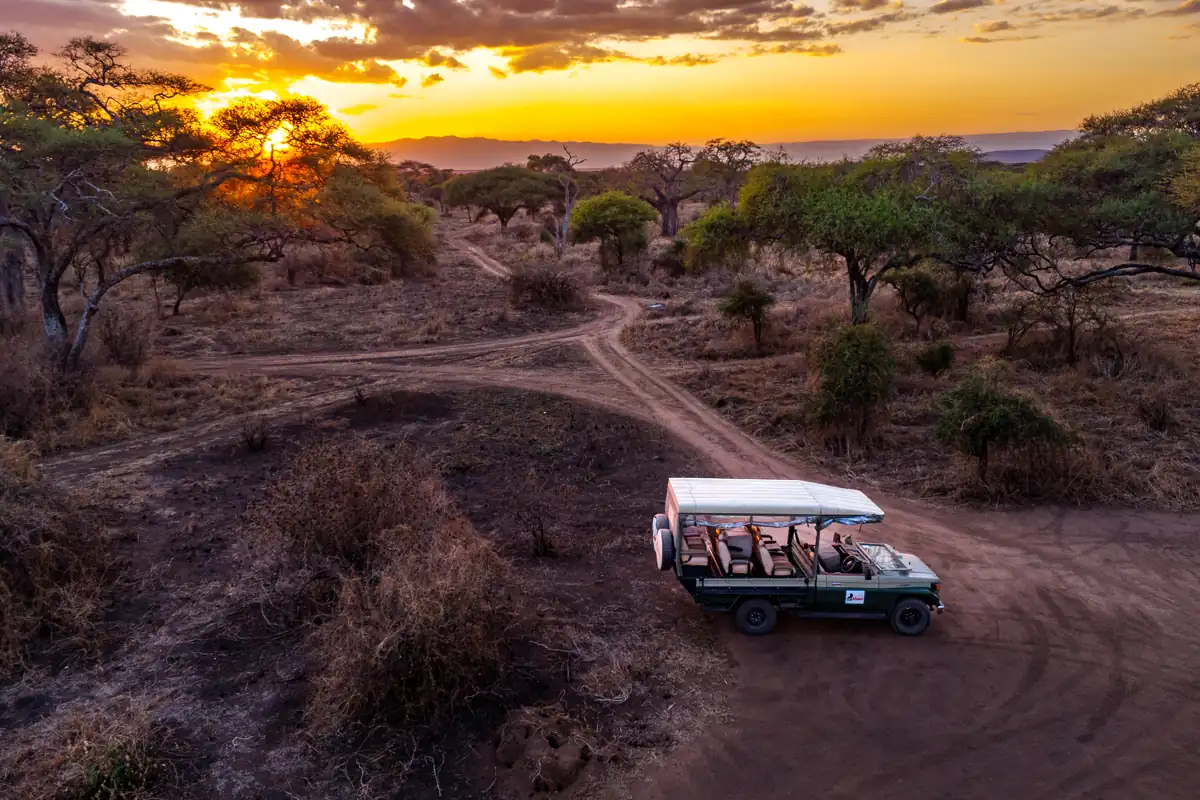
We plan morning drives around cooler air, predator activity and early light. Those conditions help explain the early departure.
They do not guarantee a hunt or a particular sighting. Your guide follows wildlife opportunities rather than a fixed sequence of animals. Compare our game-drive formats.
An early start also changes your own pace. Preparing the night before makes it easier to leave without searching through luggage.
What happens during the morning drive
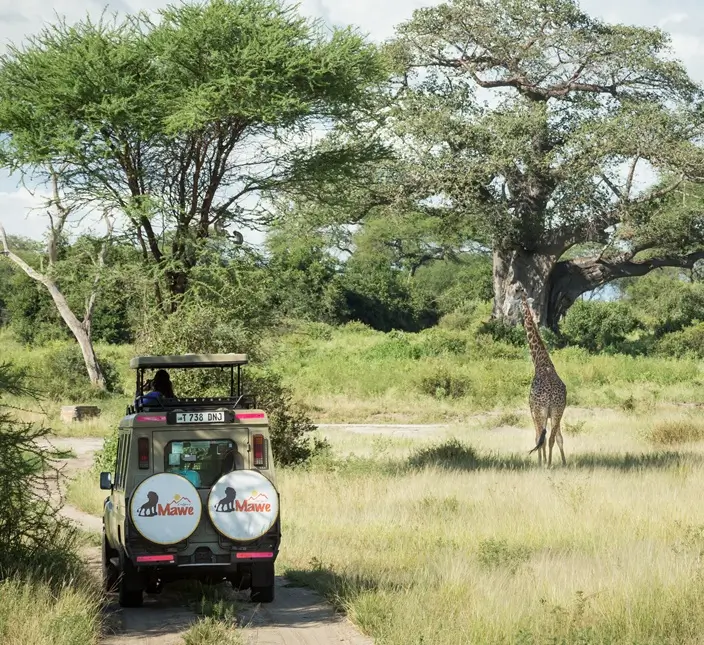
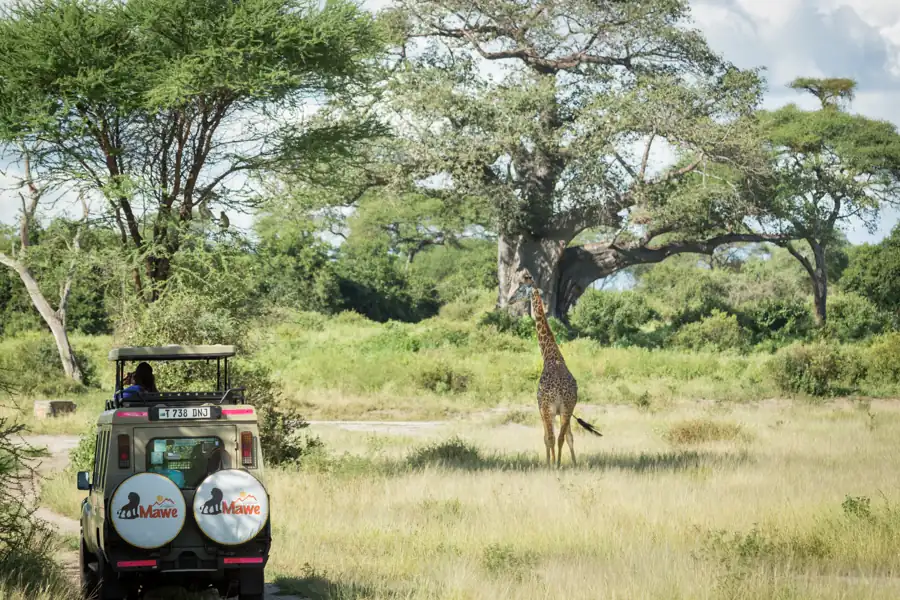
The drive combines searching, observation and explanations from your guide. Some stretches involve travelling between areas without stopping.
When wildlife appears, the guide chooses an appropriate position. You may watch movement, feeding or interactions rather than immediately continue elsewhere.
This is where a safari differs from moving between fixed attractions. An animal may disappear from view, while another sighting may hold everyone’s attention.
Tell the guide what interests you. Birds, animal behaviour and wider landscape photographs can be part of the outing alongside larger mammals.
You do not need to photograph every moment. Watching first can help you understand what the guide is explaining.
Breaks during the outing
Toilet and stretch stops depend on the route and suitable places. Tell the guide when you need a break.
Remain with the agreed arrangements during a stop. A paused vehicle or picnic does not permit walking away independently.
Longer observation can be tiring for some travellers, especially during a first safari. Mention discomfort early so the guide understands your needs.
Breakfast without one universal format
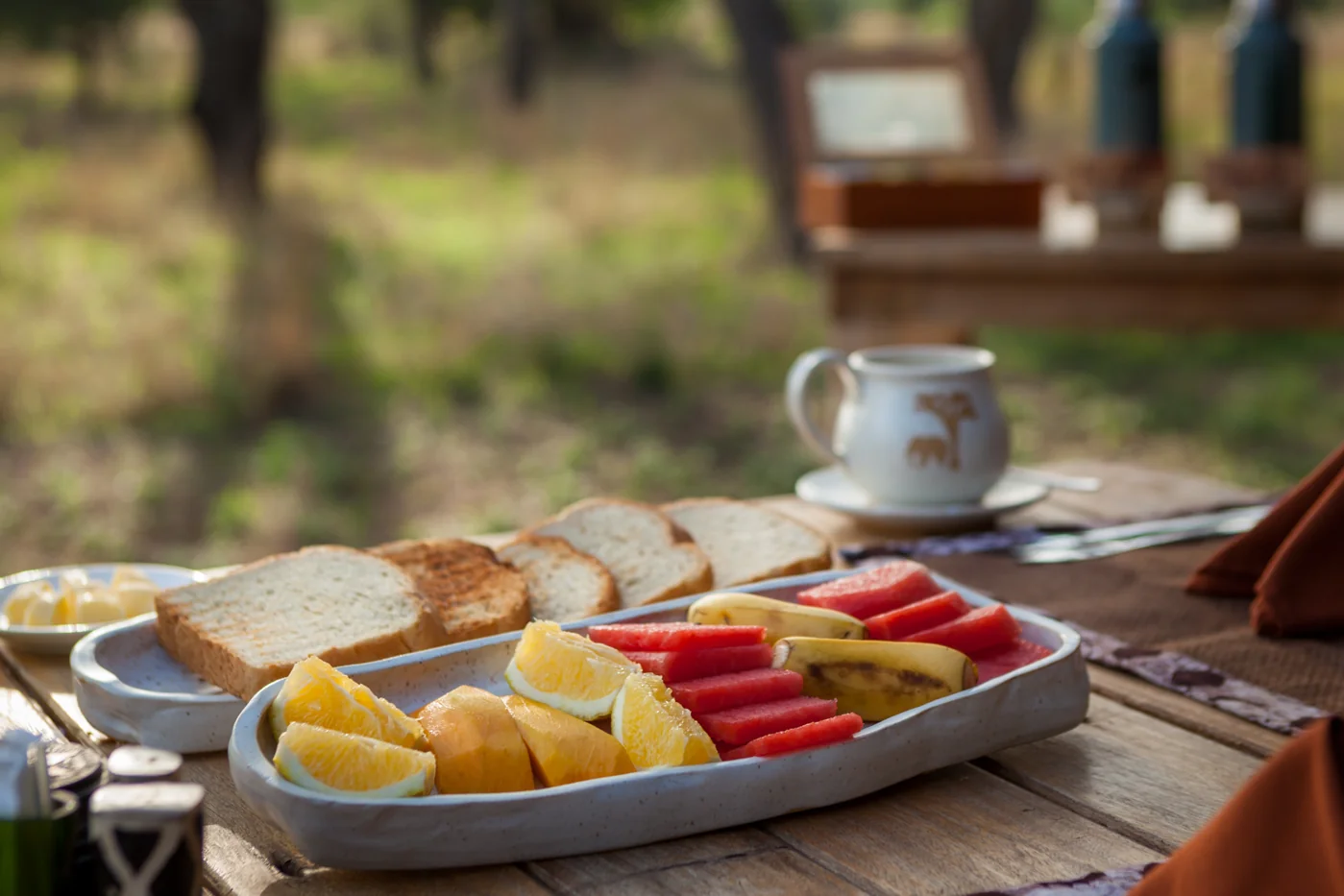
Breakfast can happen before the drive, at an arranged stop or after returning to camp. A split-drive day and full-day outing may use different arrangements.
The food on safari guide explains meals and packed options. Share dietary requirements before travel so the kitchen can discuss them with you.
A meal stop gives you a pause before the next part of the day. Keep equipment together so you are ready when the group leaves.
Lunch and downtime at camp
On a split-drive day, you return before the afternoon outing. That break gives you time away from the vehicle.
Lunch may come soon after arrival or later in the break. Once you know the next meeting time, the remaining hours are yours to use.
Reading, sleeping or sorting photographs are reasonable ways to spend them. There is no need to fill every gap with another activity.
Facilities change the kind of break you have
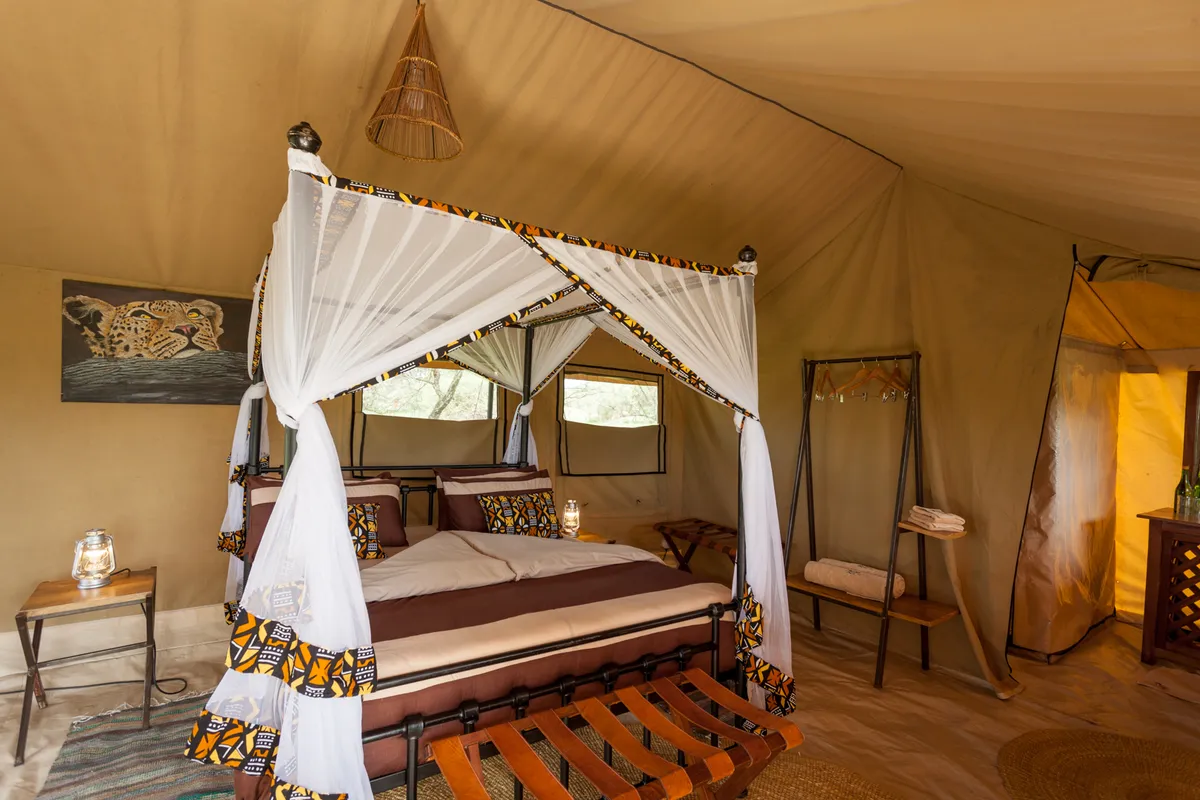
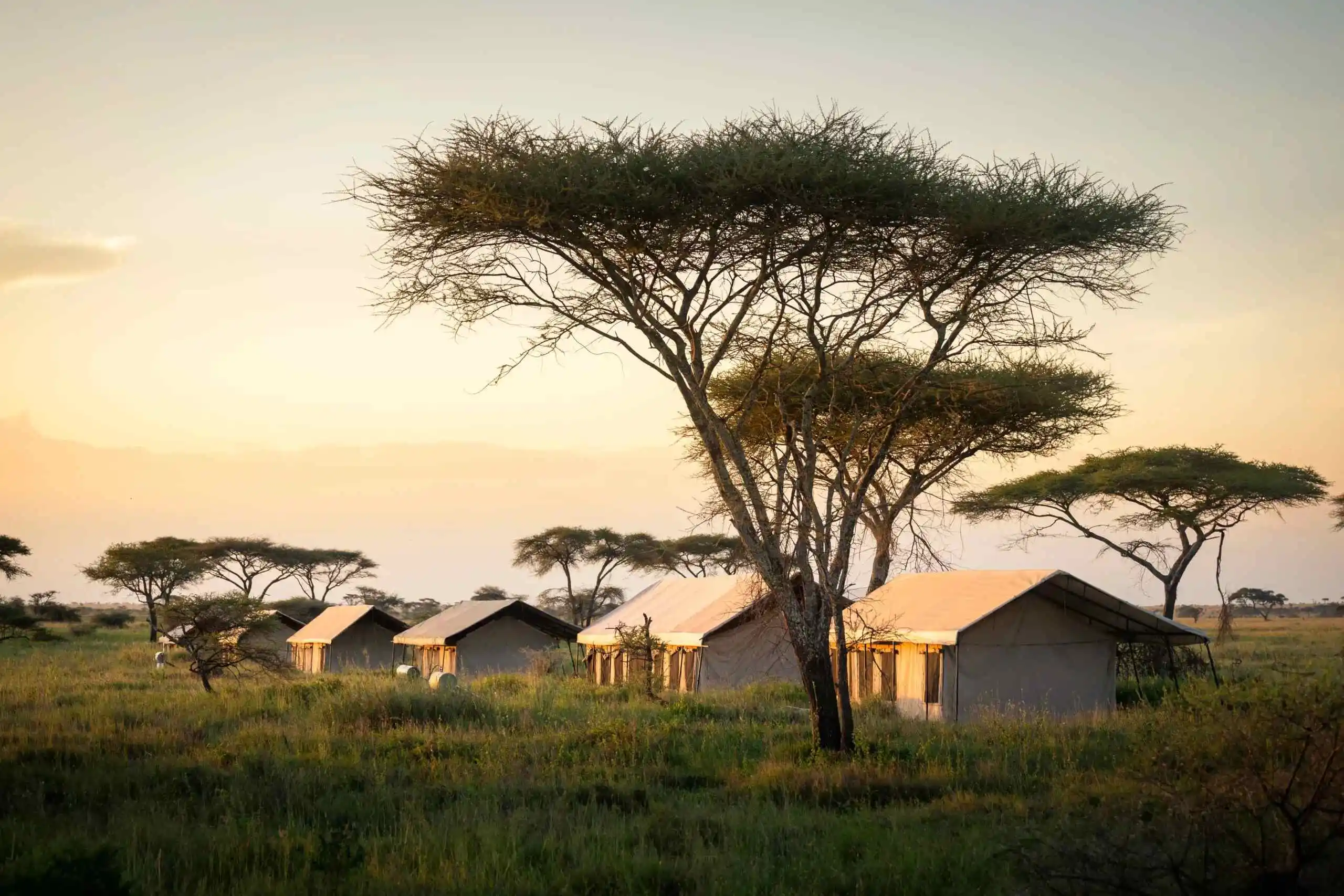
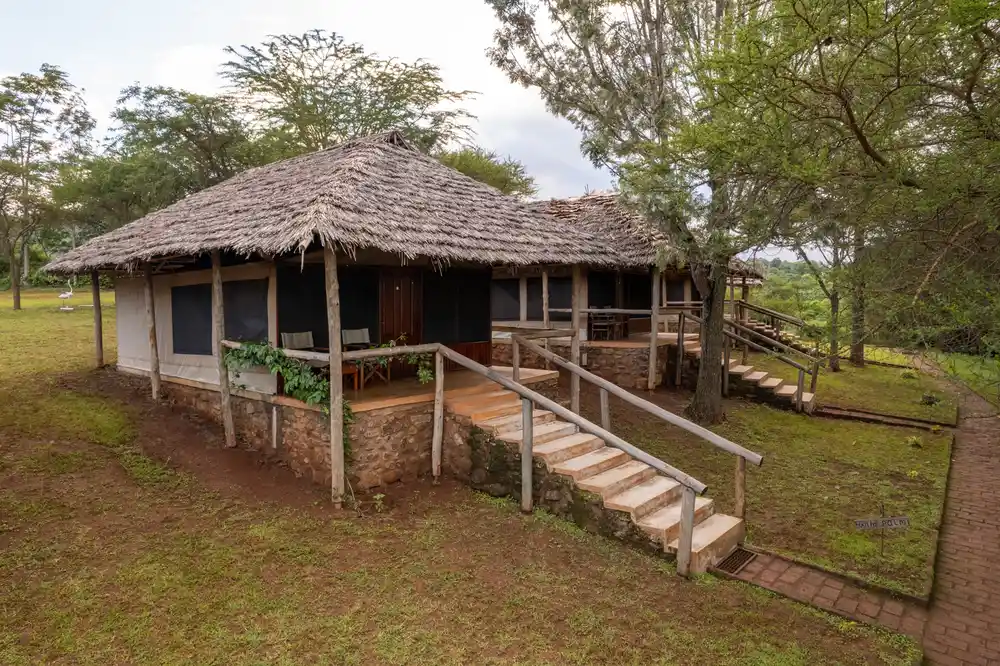
At Mawe Tented Camp, we provide solar lighting, charging and Wi-Fi in the main area. Plan to use that shared area for Wi-Fi rather than relying on a connection inside your tent.
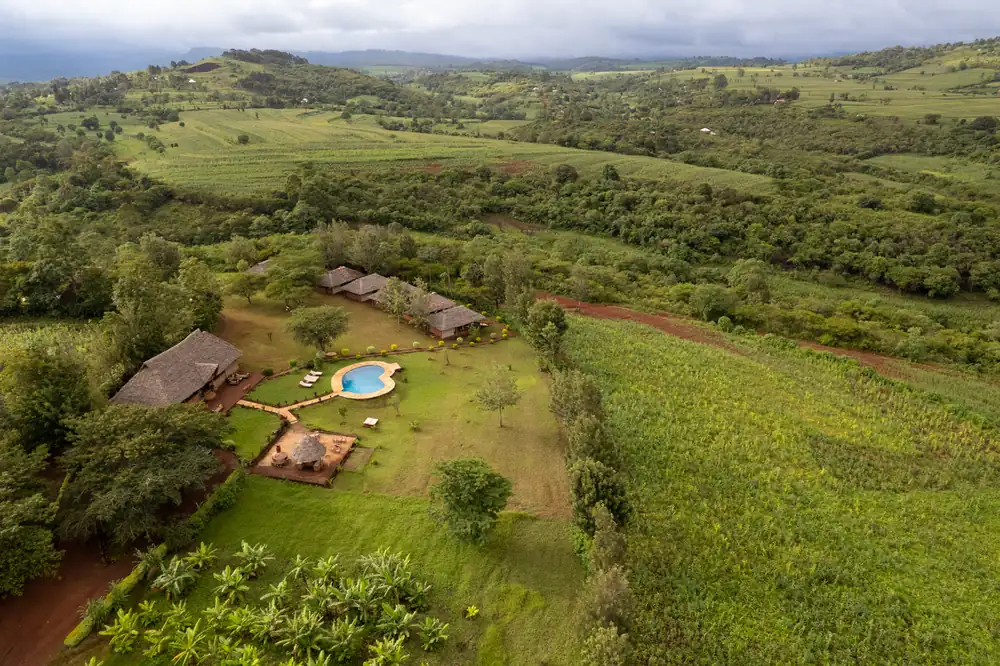
Our Karatu Tented Lodge has a garden pool. Your downtime options vary between our properties, even within one itinerary.
Choose a break that helps you enjoy the next outing. If connectivity matters, download necessary material before relying on a camp connection.
The afternoon outing
The afternoon drive may revisit an area or use another route. Returning to a location can reveal different animal behaviour or viewing conditions.
The guide also plans around the return journey. Time at a sighting must fit the remaining drive and applicable limits.
A sundowner stop is only part of the programme when arranged and permitted. It should not be inferred from the afternoon drive label.
Similarly, a night drive is a separate activity, not an automatic extension. A standard evening return does not authorise driving after dark.
Before leaving camp, take the items you need for that outing. The afternoon may feel different from the morning, even on the same route.
Dinner and the next day’s plan
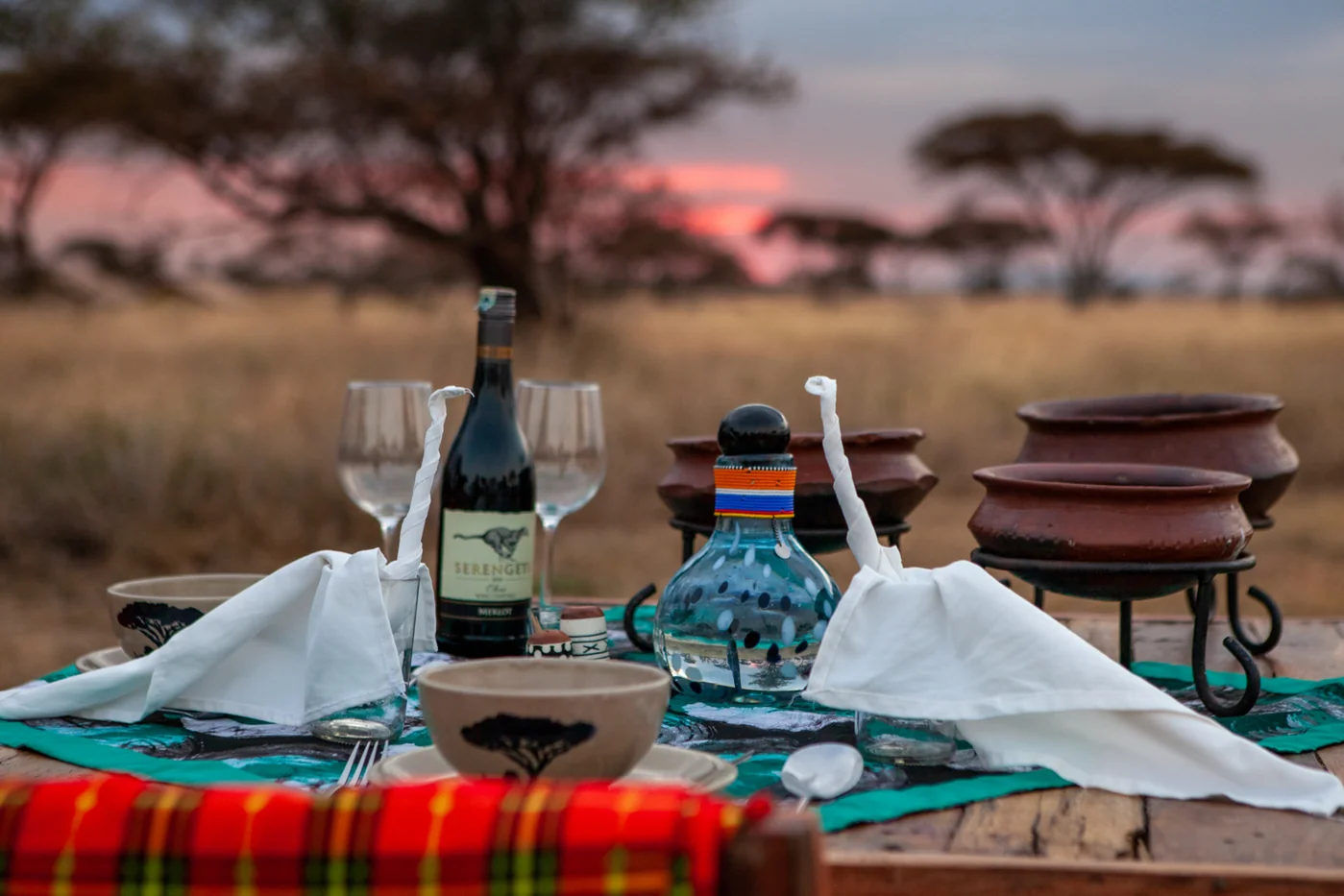
After returning, you may have time to wash and change before dinner. The meal format belongs to the property and your booking.
Use the evening to hear the next departure plan. A full-day outing tomorrow may require different preparation from today’s split drives.
You may choose conversation in a shared area or an early night. Follow the camp’s arrangements for returning to your room after dark.
An early bedtime can help when the next day starts before breakfast. You do not need an additional evening programme to complete the safari day.
A full-day safari with a picnic
Our full-day drives usually run from about 07:00 to 17:00. We include a picnic rather than returning to camp at midday.
This format can suit a route that would lose useful time by returning for lunch. We also use full-day outings for migration-focused viewing. Compare our game-drive formats.
| Stage | Full-day arrangement |
|---|---|
| Before departure | Breakfast arrangements and provisions for the outing |
| Morning | Travel and wildlife observation |
| Lunch | A picnic at an arranged stop |
| Afternoon | Further viewing and the return journey |
| Around the planned return | Time at camp before the evening meal |
A full-day outing means longer away from your room. Take personal medication and anything else you need throughout that period.
The picnic provides a pause, but it is different from resting at camp. Consider that distinction when deciding your preferred pace.
Choosing between the two day patterns
A split day suits travellers who value a room break between outings. A full day keeps the route away from camp through lunch.
Neither format is automatically better. The appropriate choice depends on distances, wildlife priorities and the group’s comfort.
You can use different formats during one safari. That is often more useful than expecting the same timetable every day.
How optional activities change the timetable
A booked balloon safari changes the morning into a launch transfer, flight and breakfast. Afterwards, you rejoin your guide. Use the operator’s confirmed pickup time instead of the standard drive example above.
A guided walking safari can take the morning activity slot, with a drive later. We offer this combination in our walking programme. Keep the afternoon flexible enough for the agreed meal and rest arrangements.
How the Tanzania route changes the day
A stay based inside a wildlife area differs from a day requiring an approach journey. That travel belongs in your timetable.
We run Serengeti drives from our camp bases and arrange crater outings from Karatu. Our game-drive guide explains these destination arrangements.
A Karatu-based crater day therefore needs time for the approach and return. A camp-based Serengeti day uses a different route pattern.
Do not compare them only by the time the first wildlife photograph was taken. Review the complete day, including travel and meals.
This also explains why one generic daily schedule cannot describe every stop in a Tanzania itinerary.
Transfer, arrival and departure days
Changing camps adds packing and travel to the day. Keep documents and anything needed during the journey accessible.
A transfer may include wildlife viewing. However, it differs from a full day based in one area. The route determines how much observation fits.
On arrival, allow time for the property briefing. Meeting points, room access and movement procedures can differ from the previous stay.
Your final morning also depends on onward travel. A flight or long transfer may leave no time for another full outing.
Check those days when comparing itineraries. The number of nights alone does not reveal the number of complete wildlife days.
Choose a pace that works throughout the trip
You can discuss staying at camp for an outing when you need more rest. Tell the guide before departure, especially if others will still join the drive. This differs from skipping a transfer day, when your accommodation changes.
Describe any need for shorter outings or longer breaks while planning. Include differences within your group rather than assuming everyone wants the same schedule.
A private arrangement may allow more discussion of your party’s pace. Shared arrangements also need to account for other guests.
Weather, roads and wildlife can change the details within either arrangement. A useful itinerary leaves the guide room to respond.
Send us your dates and preferred daily pace to discuss the route. Your confirmed itinerary and camp briefing will provide the programme for your own stay.