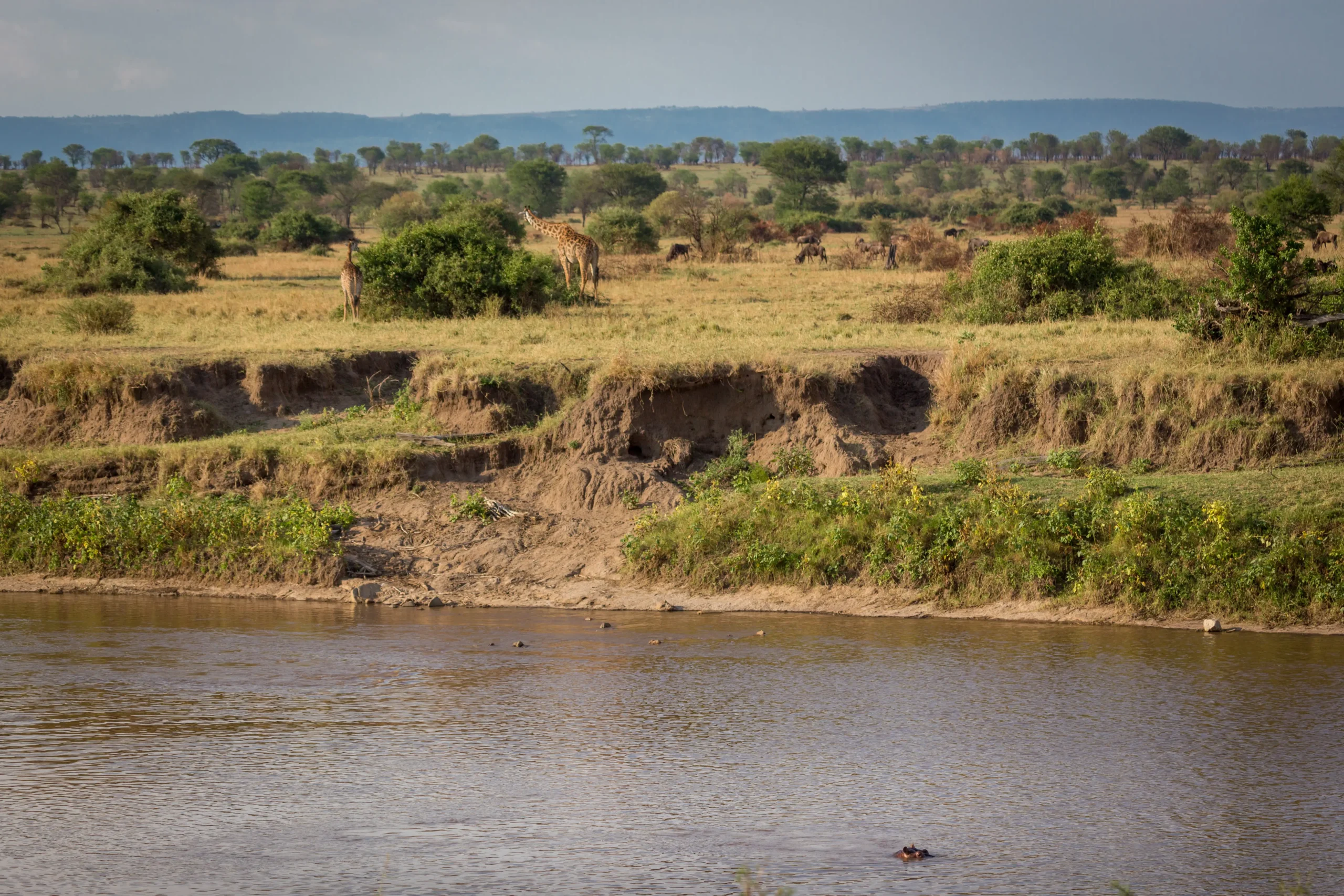
June to October is the best time to visit Ngorongoro if you want short grass and the clearest view across the floor. April and May give you the same animals with a fraction of the vehicles, and mud on the road down.
The animals don’t leave. Around 25,000 of them live in a crater of 260 square kilometers (100 square miles), and they stay there all year. So your decision is about vehicles, mud and price.
The rim is above 2,200 meters (7,200 feet) and cold at first light in every month, which catches most guests out. Our lodge in Karatu is about 30 minutes from the Loduare gate, so you can be on the descent road early.
When is the best time to visit the Ngorongoro Crater?
June to October, if you only get one window. The grass is short, the descent road is firm, and you can see clear across the floor. April and May are the other answer, and they buy a different trip. You get far fewer vehicles, green ground and afternoon rain.
| What you want | Months | What it costs you |
|---|---|---|
| Short grass and the easiest spotting | June to October | The most vehicles on the floor, and the highest bed rates of the year |
| The crater close to empty | April and May | Mud on the descent road, and rain most afternoons |
| Newborn wildebeest calves within reach | Late January to March | The calving ground is at Ndutu, a drive away, not in the crater |
| Flamingo numbers at their highest on Lake Magadi | March to May | Grass at its longest, so smaller animals are harder to pick out |
| Warm, mostly dry days with thinner crowds | Late January and February | Holiday rates hold until 5 January |
In effect, those five answers all come from the same crater. They differ because people want different things from it, and a page that gives one answer is answering only one of them.
The best time to visit Ngorongoro for wildlife
Rather, grass height is the only thing that really changes. The crater floor is 260 square kilometers, walled in to 610 meters (2,000 feet), and the animals stay inside it. The Ngorongoro Conservation Area Authority puts 25,000 or more animals in the crater, and UNESCO’s World Heritage listing gives some 25,000 large animals, mostly ungulates, for the conservation area as a whole.
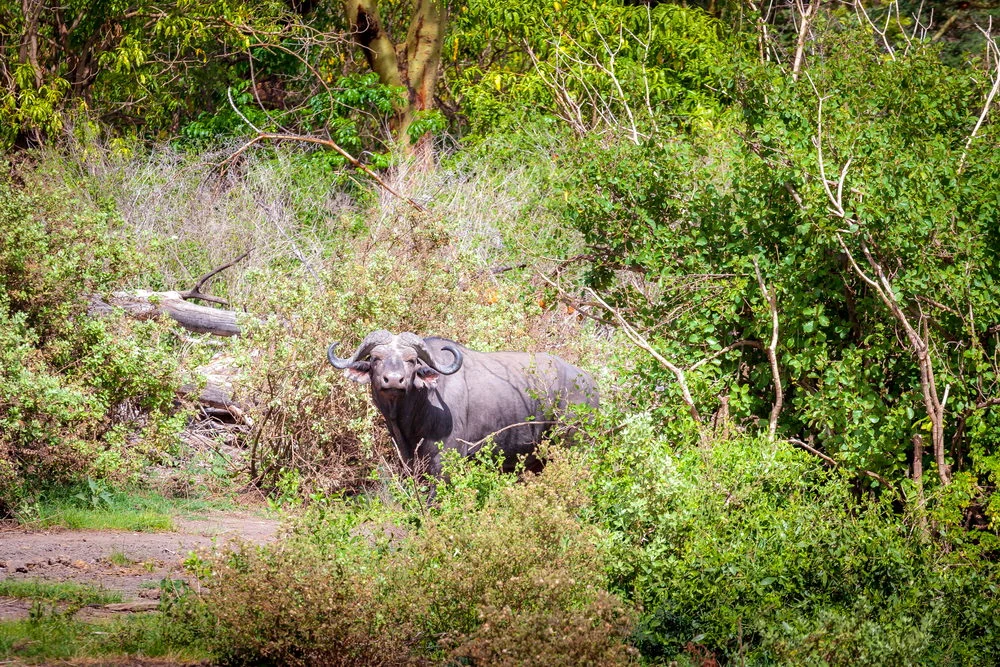
That makes Ngorongoro different from the rest of the northern circuit. In the Serengeti you time a trip around where the herds are. Here, by comparison, the lions, elephants, buffalo and black rhino are on the floor in December and they are on the floor in July.
So the dry months help you see them, not find them. Short grass means a Thomson’s gazelle at 400 meters is a Thomson’s gazelle, and not a shape. In March and April the grass is long enough that the smaller animals disappear into it while the elephants and buffalo stay obvious.
Black rhino are resident and they are the animal most guests ask about. Sightings are never a given in any month, and we would rather say that than sell you a season on it.
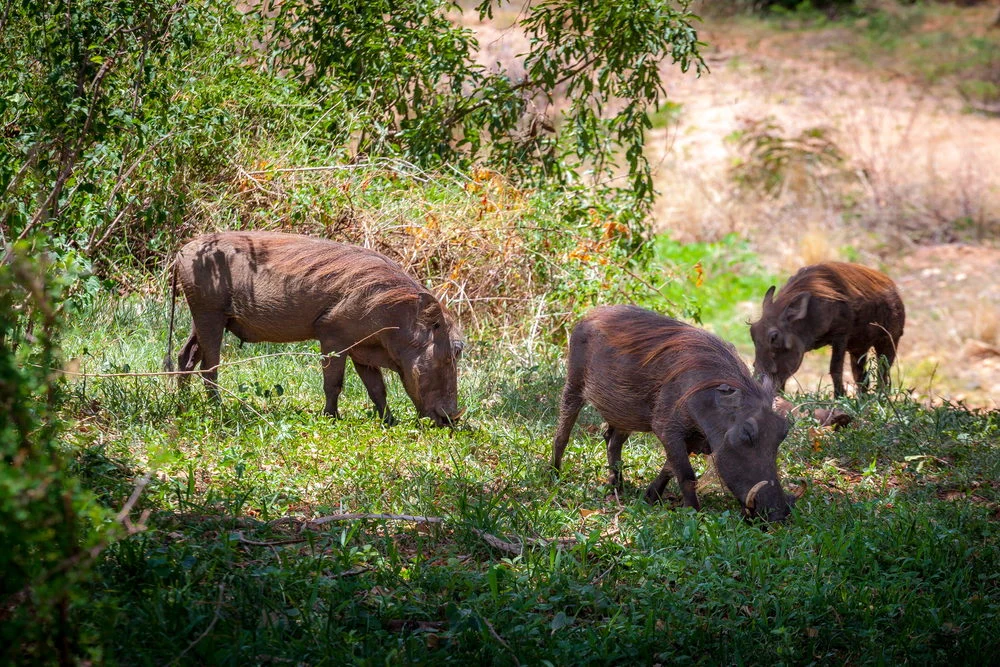
June to October, the dry season in the crater
Dry season is June to October, and it is the most reliable stretch of the year on the crater floor. Rain is occasional and the descent road is firm, so dust is the main complaint rather than mud. Additionally, light is flat and bright through the middle of the day, which suits long lenses.
It costs you two things. July to October is the peak accommodation band across the highlands, so the same room costs more than it does in May. The floor also holds more vehicles in these months than at any other time of year.
June is the softer end of it. The long rains have finished, the ground has dried out, and the peak crowds have not arrived. If you want the dry season without the July traffic, take June. For a lot of guests that makes June the best time to visit Ngorongoro.
November to May, the green season
Two wet seasons cross this period, not one. The Tanzania Meteorological Authority places northern Tanzania in the bimodal group. The long rains, Masika, fall from March to May, and the short rains, Vuli, from October to December. November and December get short bursts. March to May gets the real thing.
Rain changes the drive rather than ruining it. The rain falls, so the grass grows. The animals spread across the floor instead of gathering at water, so you drive further to find them. In any case, storms mostly arrive in the afternoon, and your morning descent is rarely affected.
Lake Magadi is the one part of the crater floor that genuinely changes shape with the season. The lake fills as the rains come in, and flamingo numbers on it rise with the water through March to May.
March and May are the muddiest weeks and the emptiest. April is emptier again. You will spend some of the day in low range, and you will share the floor with very few other vehicles.
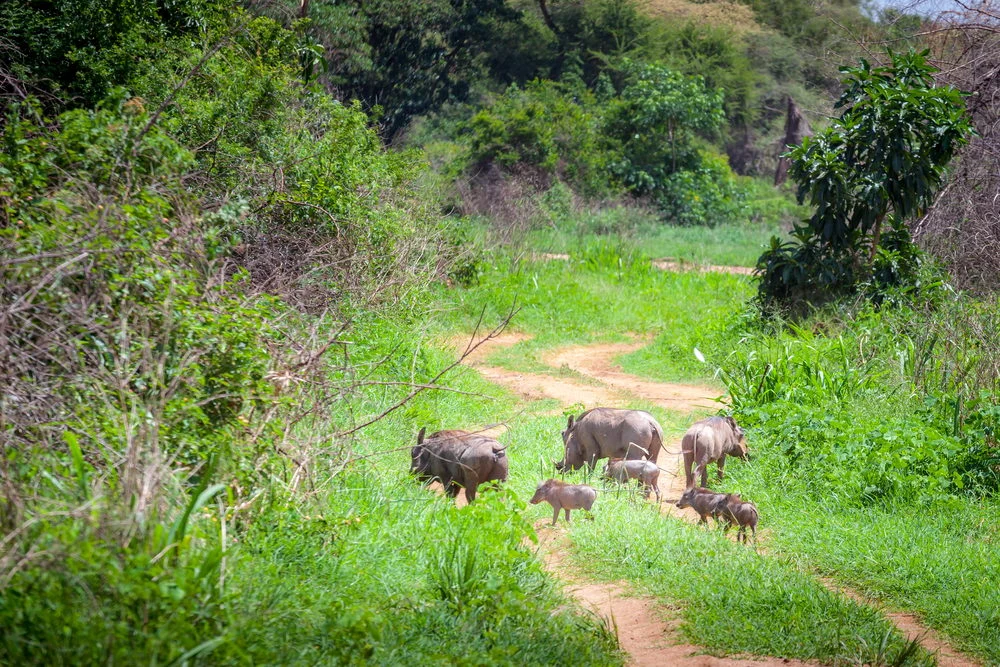
Ngorongoro crater weather, and why the rim is cold
Altitude decides the temperature here, not the month. The rim is above 2,200 meters (7,200 feet), high enough that first light is cold in June and cold again in January. Conversely, the floor is 610 meters lower and warms up by mid-morning. Guests peel off layers on the way down and put them back on for the drive out.
Gloves in June and July are not an overstatement. Guests arrive expecting equatorial heat, pack for the Serengeti, and spend the first descent cold. Take a fleece and a windproof layer whatever month you book, and see what to pack for the rest.
We publish the rain pattern above because the Tanzania Meteorological Authority publishes it. We do not publish a monthly temperature table for Ngorongoro, because no official source we can point to has one. Copying an unsourced table off another site would be guessing with a decimal point on it.
How many days do you need in the Ngorongoro Crater?
One descent, on one day, is what most itineraries carry and it is usually enough. After all, the crater floor is small, the animals are concentrated, and you can cover it properly in a morning and a long lunch. Book two descents only if you want a specific animal, or if you are photographing.
The reason is in the fee structure. The crater service fee is charged per vehicle for each descent, not per day of your stay. A second descent therefore adds a fixed cost to the trip.
Consequently, most guests give the wider highlands a second day instead. Olduvai Gorge is on the road between the crater and the Serengeti. Rim walks start from the top, and a visit to a Maasai boma fits either morning.
When the crater is busiest, and when it is empty
July to October is the busiest stretch, with late December to early January close behind. April and May are the emptiest months of the year on the floor by a wide margin, and June and November are the two shoulder windows either side of the peak.
Time of day matters as much as time of year. Almost everyone descends within the same couple of hours after the gate opens, so the floor is at its most crowded in the middle of the morning and thins out considerably after lunch. Being 30 minutes from the gate rather than an hour and a half changes which end of that window you are in.
That is the argument for basing yourself close to the gate. The best time to visit Ngorongoro is partly a question of when you reach the descent road, not just which month you booked.
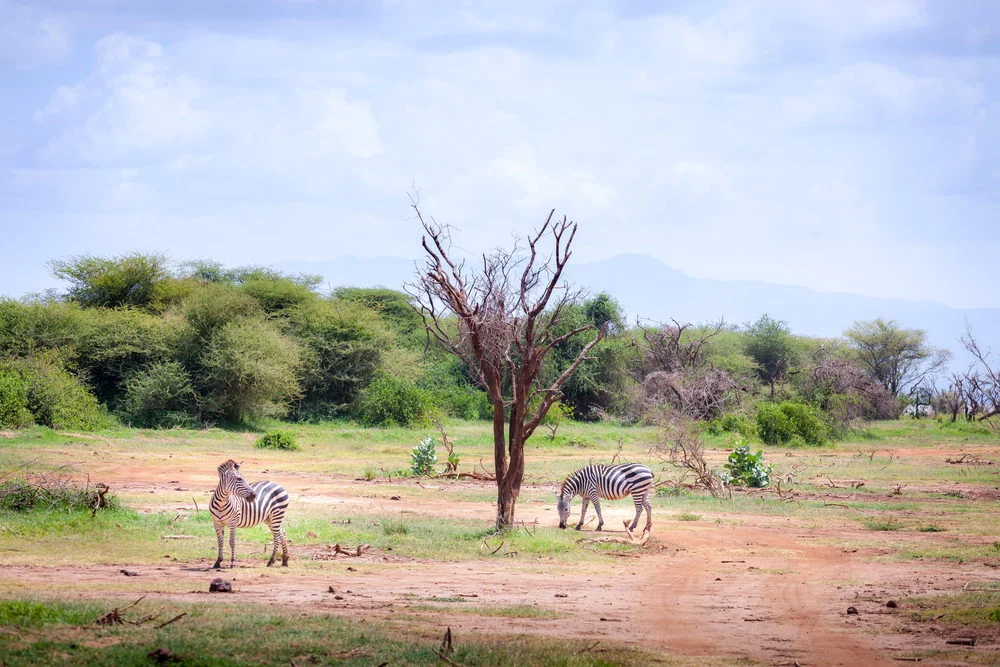
What it costs to enter the Ngorongoro Crater, and whether the season changes it
It costs $70.80 per adult for each 24 hours inside the conservation area, plus $295 per vehicle to descend into the crater. Regardless, those rates do not move with the season. The Ngorongoro Conservation Area Authority publishes one tariff for the year, so the gate charges you the same in April as it does in August.
| Fee | Non-resident rate | Charged |
|---|---|---|
| Conservation fee, adult | $70.80 | Per person, per 24 hours |
| Conservation fee, child 5 to 16 | $23.60 | Per person, per 24 hours |
| Conservation fee, under 5 | Free | |
| Crater service fee | $295 | Per vehicle, per descent |
| Concession fee | $59 | Per person, per night spent inside the conservation area |
| Vehicle permit, up to 2,000 kg tare weight | $47.20 | Per vehicle |
Figures from the Ngorongoro Conservation Area Authority tariff, VAT included, checked 7 September 2026.
The crater service fee is per vehicle, so it divides by the number of people in it. Two of you pay $147.50 each to descend. Six of you pay $49.17 each. That single line moves the cost of a Ngorongoro day more than the month you choose does, and we set out how park fees are paid in Tanzania separately.
In other words, the season changes what you pay for a bed, not what you pay at the gate.
Which months cost least around the crater
Our rates in Karatu move three times a year, on fixed dates.
| Season | Dates | Per person, sharing a double or twin |
|---|---|---|
| Peak | 1 July to 31 October, and 22 December to 5 January | $144 |
| High | 6 January to 28 February | $130 |
| Low | 1 March to 30 June, and 1 November to 21 December | $118 |
Full board, including breakfast, lunch or a packed lunch, dinner, Wi-Fi and taxes. Park fees, game drives, transfers and drinks are charged separately.
Read the two columns together and March, May and November come out cheapest for the same crater. The gap between low and peak is $26 per person per night, so four nights in the low season saves $104 per person.
Sleeping on the rim costs more than the room rate suggests, because the conservation area charges $59 per person for every night you spend inside it. Karatu Tented Lodge is outside the boundary, in Karatu town, so that fee is not on your bill. You trade it for about 30 minutes of road in the morning.
What you cannot do in the crater, in any month
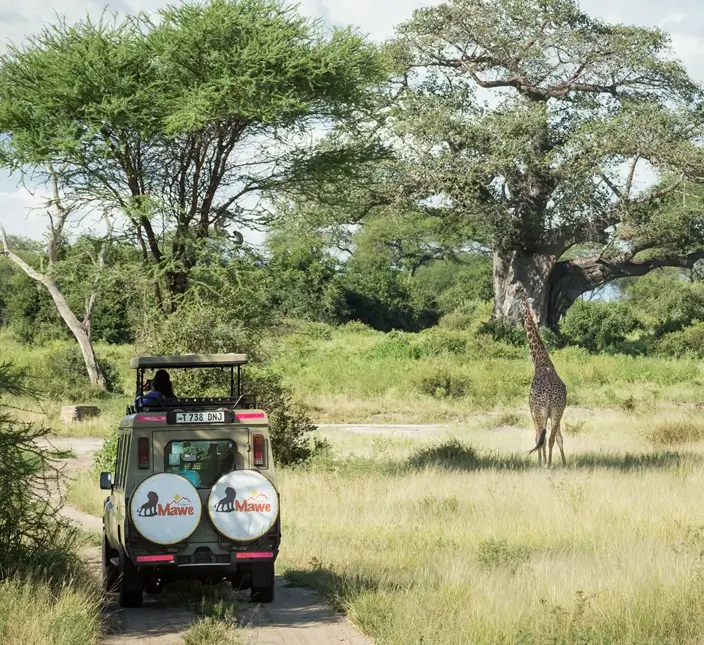
Only four-wheel drive vehicles are allowed inside the crater. The Ngorongoro Conservation Area Authority publishes that rule, and it applies in August as much as it applies in April, though it obviously bites hardest when the ground is wet.
Walking is not permitted on the crater floor at any time of year. Walking safaris in Ngorongoro happen on the rim and in the wider highlands instead, which is a different day out and worth booking on its own terms rather than as a substitute.
Neither rule changes by season, and both are worth knowing before you compare a green season quote against a dry season one.
Calving, the migration and what is near the crater, not in it
The Great Migration does not enter the Ngorongoro Crater. The herds move through the wider conservation area and across the southern Serengeti plains, and the crater’s own wildebeest and zebra are a separate resident population that stays put.
Calving happens at Ndutu, inside the same conservation area, from late December through March. If your dates fall in that window, the two pair naturally on one itinerary, and the wildebeest calving season covers the timing. The Great Migration covers the rest of the year.
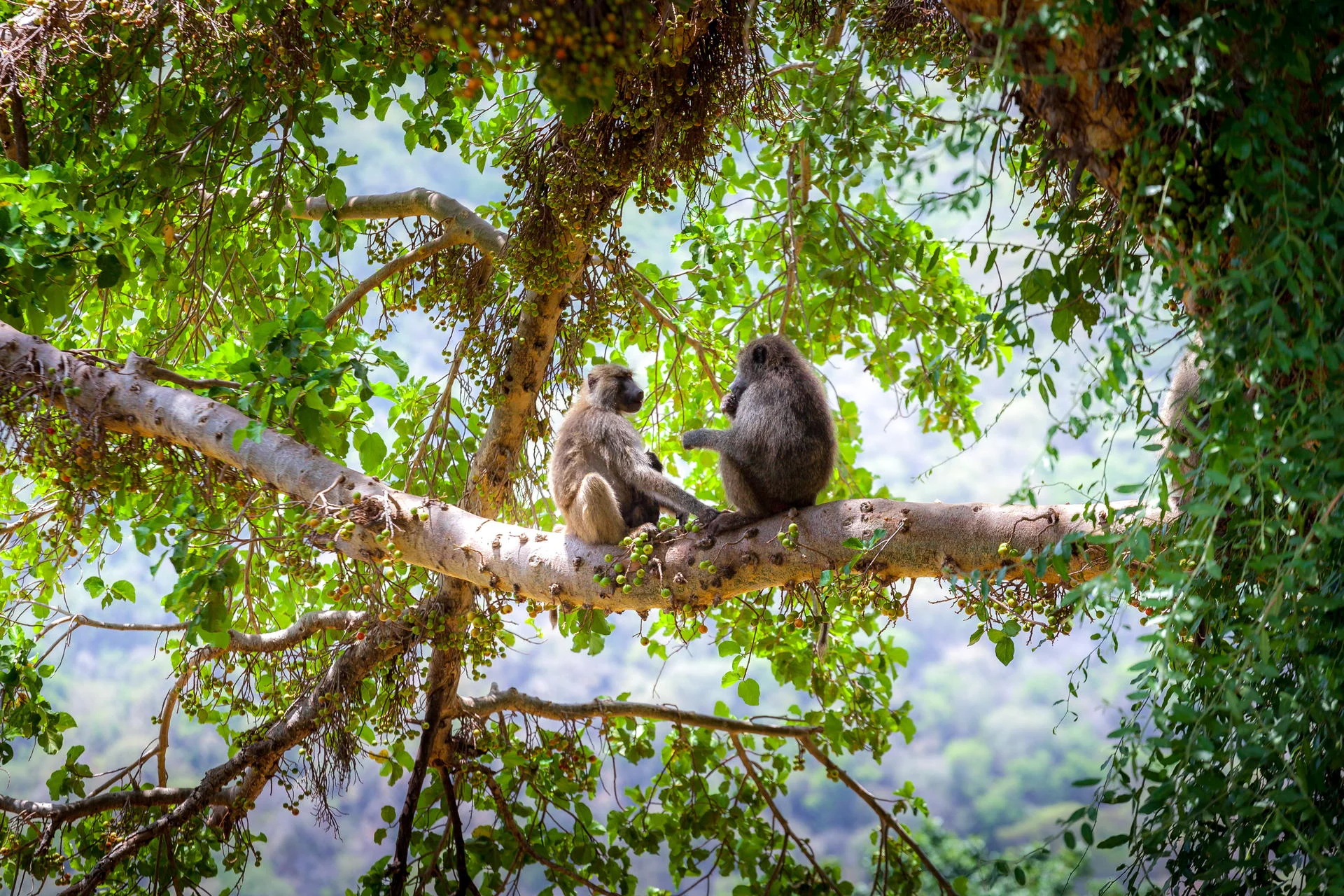
Month by month at Ngorongoro
One row per month: what the floor is doing, how busy it is, and which rate band your dates fall in.
| Month | On the crater floor | Crowds | Rate band |
|---|---|---|---|
| January | Dry spell between the two rain seasons, warm days, calving under way at Ndutu | Heavy to 5 January, then thinner | Peak to 5 January, then high |
| February | The driest, warmest stretch of the first half of the year | Moderate | High |
| March | Long rains begin, grass lengthening, flamingo numbers rising | Light | Low |
| April | Wettest month of the year, mud on the descent, greenest ground | Lightest of the year | Low |
| May | Long rains ending, grass at its longest, very few vehicles | Light | Low |
| June | Ground dried out, cold mornings, peak crowds not yet arrived | Moderate | Low to 30 June |
| July | Short grass, firm roads, gloves at first light | Heavy | Peak |
| August | Reliable dry weather, the busiest month on the floor | Heavy | Peak |
| September | Dry, dusty, clear across the crater | Heavy | Peak |
| October | Last of the dry season, first storms possible late in the month | Heavy, easing | Peak |
| November | Short rains, green returning, thin traffic | Light | Low |
| December | Short bursts of rain, herds spreading onto the southern plains | Light to 21 December, then heavy | Low to 21 December, then peak |
The best time to visit Ngorongoro, in short
Take June to October for short grass, firm ground and the easiest spotting, and accept the vehicles and the peak rates that come with it. Choose April or May if you would rather have the crater to yourself and can put up with mud. Take late January or February for warm, mostly dry days at a rate between the two.
For the wider circuit, the best time to visit Tanzania covers every park together, and the best time to visit the Serengeti covers the one park where your dates really do decide where you stay.
Only four-wheel drive vehicles are allowed into the Ngorongoro Crater, and walking is not permitted on the floor in any month of the year.