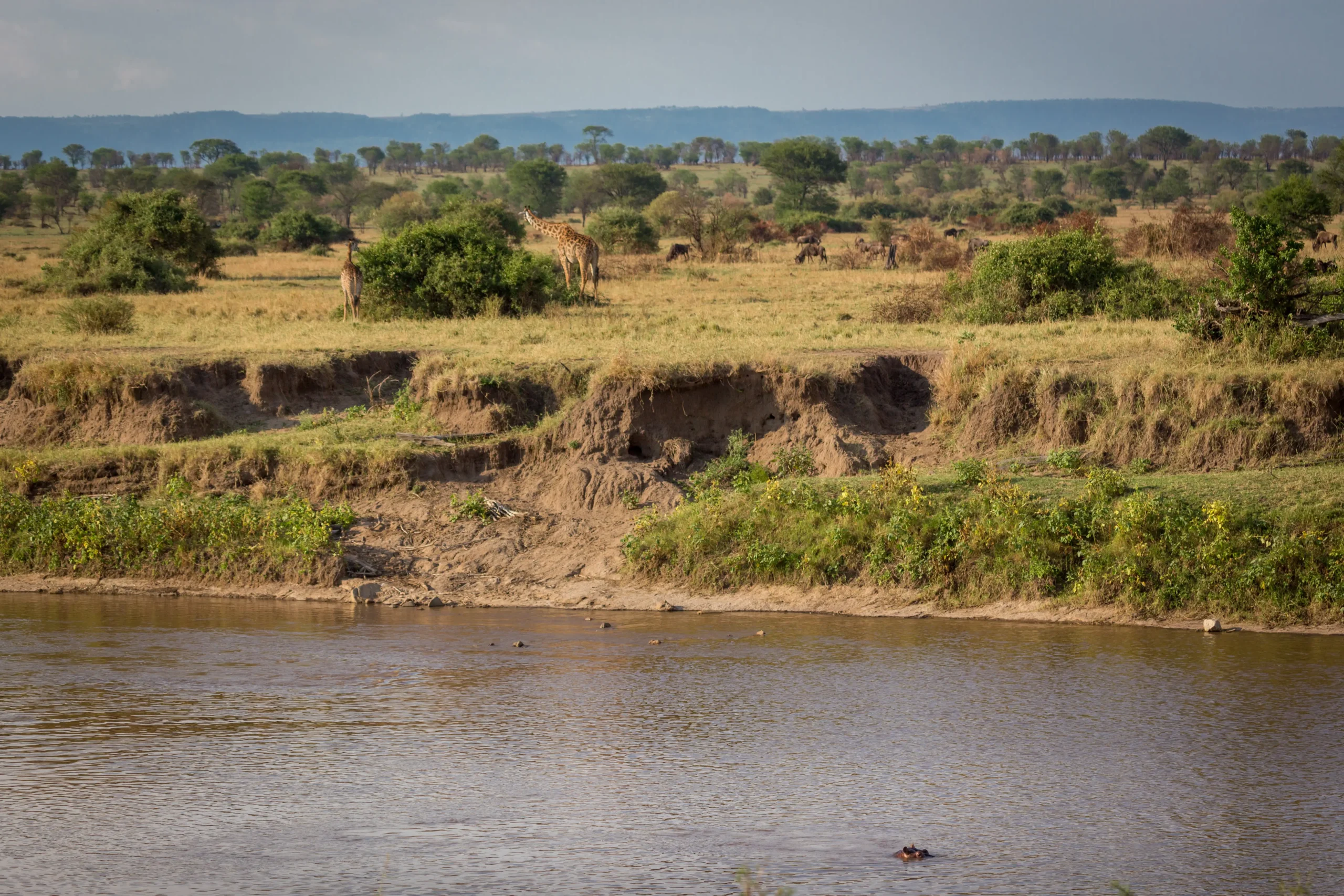
Tanzania in August offers dry-season wildlife, cool starts and rewarding choices across the Northern Circuit. However, your accommodation choices shape how much time you actually spend watching animals. A suitable camp can shorten daily journeys, support family breaks and keep your preferred landscapes within practical reach.
Start with the places that interest you most. Tarangire brings elephant country, while central and eastern Serengeti offer resident predators and open plains. Further north, river country attracts travellers who want migration possibilities alongside other wildlife.
For Tanzania in August, choose your camp areas before connecting every park on a map. Then compare suitable rooms, realistic transfers and the full holiday price. A thoughtful route gives each landscape time to reveal more than its best-known sighting.
Is Tanzania in August right for your safari?
Yes, August suits travellers who value dry-season wildlife and can plan around peak accommodation rates. A Tanzania safari in August also offers several distinct Northern Circuit landscapes within one holiday. Nevertheless, suitable rooms and a comfortable pace deserve as much attention as wildlife expectations.
Choose Tanzania in August if you enjoy time outside the vehicle as well as longer wildlife outings. Several nights at one base can leave room for an unhurried lunch or an earlier return. Families especially benefit when their camp position supports that flexibility.
River crossings can interest you without controlling the whole trip. Resident wildlife, changing light and animal behaviour can give quieter moments their own appeal. However, no itinerary can determine when a herd will cross.
If peak pricing or busy viewing areas concern you, compare alternative dates. Our annual safari calendar explains the wider seasonal choices.
Why should you choose August camps before the route?
Choose suitable camp areas and room layouts first, then connect them through a practical route. For Tanzania in August, a vacant tent only helps if its location and sleeping arrangement suit your party. Otherwise, you may gain a bed while losing hours to unnecessary driving.
Mawe properties have small inventories, so a particular room request can affect the whole sequence. A couple may accept one double tent. A family may need a specific unit, neighbouring rooms or a different sleeping arrangement.
Start your enquiry for Tanzania in August with dates, adult numbers, children's ages and preferred sleeping arrangements. Include the wildlife areas that matter most. Then ask which combinations work across the complete stay.
If the first choice lacks suitable rooms, compare nearby dates or another appropriate base. Avoid choosing a distant camp solely because its name includes Serengeti. Central and northern accommodation serve different parts of a very large park.
When planning Tanzania in August, assess room suitability and location together. A sensible alternative should protect the purpose of the holiday. Ask how each change affects daily drives, transfers and arrival times.
Finally, coordinate accommodation with flight schedules before making route-dependent payments. A camp opening calendar shows operating dates. It does not show live room availability.
What August weather affects your daily comfort?
Tanzania weather in August generally follows a dry, cooler seasonal pattern, with important differences between regions. The Tanzania Meteorological Authority's climate appendix identifies August among Tanzania's dry months. It also places August within the cooler seasonal period.
Those patterns help you plan clothing and daily comfort. They do not forecast every morning of your holiday. For Tanzania in August, compare the altitude and exposure of each overnight stop.
Highland mornings and open-vehicle layers
Karatu and the Ngorongoro highlands can feel cold before sunrise and after sunset. An open vehicle adds moving air, especially during an early departure. Keep a warm layer beside you rather than underneath everything in your main bag.
A fleece and a light outer layer allow easy changes as the day warms. Meanwhile, covered shoes can feel more comfortable during a cool start. Check your room arrangements if children need extra bedding.
Plan Tanzania in August around the temperature at departure, rather than the warmth of your afternoon meal. A highland overnight stop and a lower park drive can require different clothing within the same day.
Dry plains and dusty travel days
Serengeti and Tarangire outings can bring brighter afternoons, dusty roads and strong sun exposure. Shade, water and a hat help during longer days. Dust levels vary with the track, recent conditions and passing traffic.
Keep camera equipment covered between sightings. Close bags before the vehicle moves, then unpack what you need after stopping. Your guide can also suggest a suitable lunch position and adjust the day's route.
Dry weather does not remove every shower or rough section. Carry a light rain layer and check local forecasts near departure. Conditions across Tanzania in August still vary between inland parks, highlands and the coast.
Where should your August wildlife priorities take you?
Match your main wildlife interest with the area that supports it. Northern Serengeti serves river-country priorities, central and eastern areas support resident wildlife, and Tarangire adds elephant habitat. Combining them only makes sense when your available nights support the journeys.
Northern Serengeti without a crossing guarantee
Northern Serengeti can offer migrating herds during August, although rainfall and grazing influence their distribution. Some travellers prioritise Mara River viewing. Others enjoy the surrounding wildlife without spending every outing beside a crossing point.
For Tanzania in August, give a northern stay enough time to respond to current movements. Herds may gather, pause or move elsewhere. Neither a camp reservation nor several nights can guarantee a crossing.
Use recent guide information to balance river visits with other drives. Our Great Migration guide covers annual movement and crossing behaviour in greater detail.
Resident cats in central and eastern areas
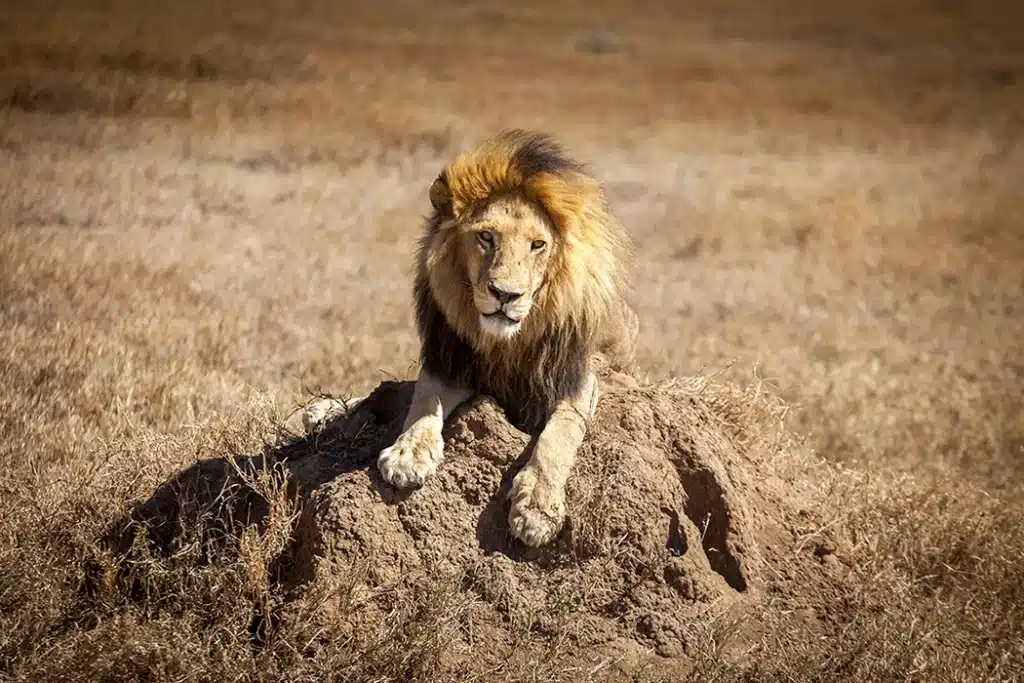
Serengeti in August offers more than a search for migrating animals. Resident lions, leopards and cheetahs provide reasons to explore different habitats. Riverine cover, grassland and scattered rocks each give your guide different clues.
Mawe Tented Camp sits in the central and eastern Serengeti landscape around Soit Le Motonyi. That location suits travellers who want repeated outings from one base. However, it does not provide a substitute for northern accommodation when river visits lead your plans.
When choosing Tanzania in August, consider how you enjoy watching wildlife. Following behaviour can reward patience more than collecting distant sighting reports. Several mornings nearby allow you to notice changing light, animal movements and smaller details.
Tarangire's dry-season wildlife
Tarangire in August adds a different relationship between animals, woodland and water. As seasonal waterholes shrink, river corridors and remaining water sources influence wildlife movements. Elephants, zebra, wildebeest and buffalo use the park's varied habitats.
Allow time beyond one quick drive through the main road network. Your guide can assess where current conditions concentrate activity. A stay inside Tarangire also supports outings without repeating an outside entry journey each morning.
Tanzania in August can therefore suit a route that values Tarangire as a proper stay. Combine elephant viewing with attention to baobabs, birdlife and changing habitats. Avoid assuming that every water source or wildlife gathering follows the same pattern daily.
Which Mawe properties work for August stays?
Four Mawe properties operate during their published August seasons. Choose among them according to your target area, suitable room inventory and the transfer route. Operating dates alone cannot confirm a particular family's room request.
| Property | August purpose and location | Published family inventory | Relevant airstrip |
|---|---|---|---|
| Mawe Tented Camp | Resident wildlife, central and eastern Serengeti | Three family tents | Seronera |
| Gnu Mara River Camp | Northern Serengeti, Kogatende and river-country outings | Two family tents | Kogatende |
| Baobab Tented Camp | Tarangire, inside the park near the Lake Burunge corridor | One family tent | Kuro |
| Karatu Tented Lodge | Highland overnight base for a Ngorongoro visit | One family suite | Lake Manyara, subject to route planning |
Northern and eastern Serengeti bases
Gnu Mara River Camp publishes an operating season from 1 June to 15 November. Its Kogatende location serves northern outings. Meanwhile, Mawe Tented Camp operates year-round in central and eastern Serengeti.
For Tanzania in August, choose the northern camp when that area forms a major part of your holiday. Choose Mawe when resident wildlife and its surrounding habitats lead your interests. Include both only when the journey and available nights justify the move.
Tarangire and the Karatu overnight stop
Baobab Tented Camp operates year-round inside Tarangire. Karatu Tented Lodge operates year-round outside the Ngorongoro Conservation Area, in the highlands.
Karatu supports a planned crater visit, rather than accommodation on the crater floor. Check the following morning's drive when comparing your overnight options.
Gnu Ndutu Camp's published season runs from late December through March. It does not provide August accommodation. Therefore, where to stay in Tanzania in August depends on the four operating properties and your route priorities.
What should an August accommodation quote include?
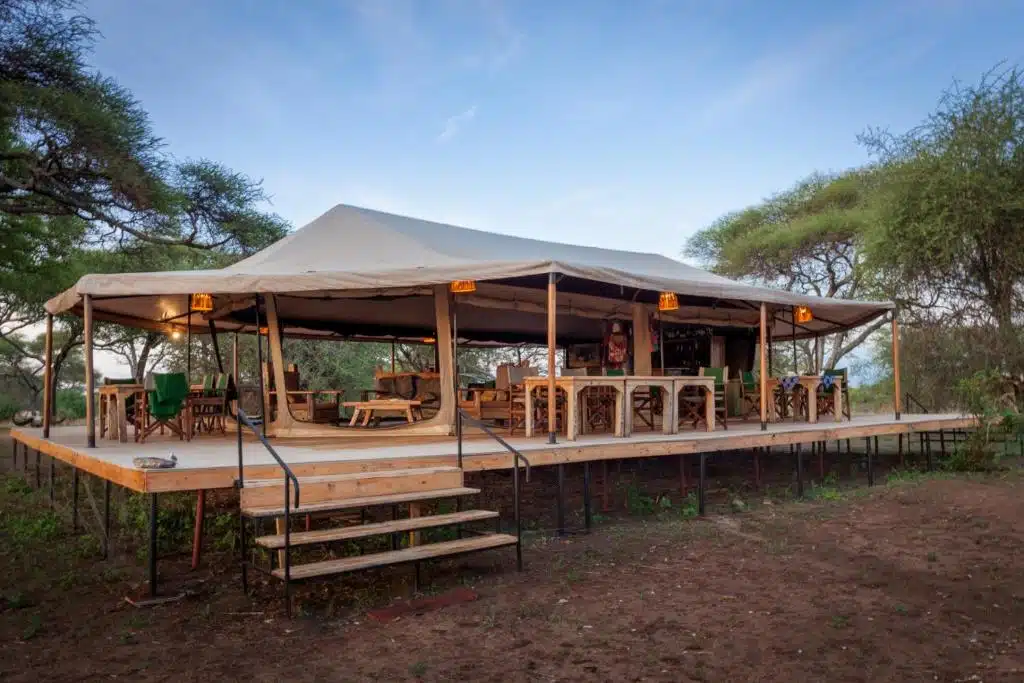
An August quote should identify occupancy, meals, room category, transfers and every separately charged safari component. August safari costs become easier to compare when each quote uses matching assumptions. For Tanzania in August, distinguish an accommodation tariff from a complete guided holiday price.
Room rates versus a complete safari price
The following published prices reflect a website check on 7 October 2026. Each amount covers one adult, per night, sharing a double or twin room, with full board.
| Property | Published August accommodation rate | Separate items to check |
|---|---|---|
| Mawe Tented Camp | USD 280 per person, per night | Authority fees, vehicle, guide, flights and optional activities |
| Gnu Mara River Camp | USD 286 per person, per night | Authority fees, vehicle, guide, flights and optional activities |
| Baobab Tented Camp | USD 256 per person, per night | Authority fees, vehicle, guide, flights and optional activities |
| Karatu Tented Lodge | USD 144 per person, per night | Crater arrangements, vehicle, guide, flights and optional activities |
Three year-round properties list August within their July-to-October peak band. Gnu Mara publishes one rate across its operating season. Confirm the tariff for your travel year before paying.
A full-board room tariff covers accommodation and the stated meals. It does not turn these room prices into an all-inclusive safari quote. Ask your planner to itemise authority charges, transport, activities, bar purchases and gratuities.
Family units, single occupancy and private vehicles
Occupancy changes the calculation for Tanzania in August. Mawe publishes USD 325 per night for single occupancy, compared with USD 280 per person sharing.
For example, three nights cost USD 840 per sharing adult under these published full-board tariffs. A solo adult using single occupancy pays USD 975. The difference equals USD 135 across three nights, before other safari charges.
This example covers accommodation only and uses the 7 October 2026 rate check. Family quotes need children's ages and the actual room arrangement. Also confirm whether your vehicle serves your party privately.
Our complete safari cost guide explains the wider budget components for Tanzania in August and other months.
How can you avoid spending August on transfers?
Choose fewer well-positioned bases and match transport to the journey between them. Tanzania in August rewards realistic travel planning because a long transfer still consumes valuable daylight. A dry track does not make a large park smaller.
The central-to-north decision
Treat central and northern Serengeti as separate stays when you combine them. Driving between those areas takes a substantial part of a day. Wildlife stops, road conditions and the actual camp positions can extend the journey.
An internal flight may reduce the long driving leg when suitable services connect your chosen airstrips. However, schedules, check-in and camp transfers still take time. Ask for the complete door-to-door plan before comparing options.
For Tanzania in August, match Seronera with Mawe and Kogatende with Gnu Mara. Mawe publishes an estimated 30 to 45 minutes from Seronera. Gnu Mara publishes approximately 40 minutes from Kogatende.
These camp estimates allow orientation, rather than a guaranteed arrival time. Confirm current arrangements and any stops with your planner.
Why fewer camp changes can give you more viewing time
Every move involves packing, loading, travelling and settling into another room. Several nights at one camp can turn those hours into nearby outings or rest.
When planning Tanzania in August, ask what each extra base contributes. Keep the move when it adds a landscape you value. Otherwise, an additional night in the same area may serve your interests better.
How many nights should each August base receive?
Allow several nights at your main wildlife bases, then add other areas only when the timetable remains comfortable. Tanzania in August offers enough variety without requiring every Northern Circuit park. The following original planning examples show two different priorities.
| Planning example | Camp nights | Main purpose | Transport decision |
|---|---|---|---|
| Eight nights with a compact circuit | Baobab three, Karatu two, Mawe three | Tarangire wildlife, a crater visit and resident Serengeti animals | Compare a road circuit with a Seronera flight departure |
| Ten nights including northern Serengeti | Baobab two, Karatu two, Mawe three, Gnu Mara three | A broader habitat mix plus northern river-country time | Compare the central-to-north drive with available air connections |
Both structures count camp nights only. International arrivals, onward travel and any additional airport overnight stay need their own allowance. They represent planning examples, rather than fixed departure packages.
For a shorter holiday, choose between broader park coverage and a focused Serengeti stay. Removing one base can protect the time you spend in the others. Ask which wildlife interests you would keep after that change.
For Tanzania in August, three northern nights create more opportunities than one overnight stop. Nevertheless, the additional time cannot guarantee migration movements or crossings. Compare that investment with another night in the landscape you already enjoy.
How should families handle long August safari days?
Plan shorter outings, useful breaks and a room layout that genuinely suits the family. An August family safari should reflect children's ages and interests. Start Tanzania in August with a pace your whole party can enjoy.
Private vehicle arrangements can support an earlier return or a shorter drive when your booking allows that flexibility. Discuss those options before confirming the quote. A shared programme may offer less control over the day's timing.
Camp position matters when you want a midday break. A distant overnight base can make returning for lunch impractical. Therefore, compare your likely viewing area with the actual camp location.
Consider this hypothetical planning example for Tanzania in August. Two adults and two school-age children prioritise elephants and resident cats. They choose several nights inside Tarangire and central Serengeti, rather than adding a brief northern stop.
The planner then checks a suitable family unit at each property. The family requests shorter morning drives, lunch breaks and optional afternoon outings. Their interests and confirmed arrangements guide the pace, rather than a need to visit every area.
Use this example as a planning illustration, rather than a report of a guest booking. Our family rooms and age guidance covers broader family arrangements.
Finally, tell your planner about sleeping preferences for Tanzania in August. Family-unit capacity alone does not explain beds, privacy or proximity to another room.
How can you reduce waiting at busy sightings?
Discuss your tolerance for waiting and balance popular viewing areas with other wildlife outings. Tanzania in August can attract several vehicles to a sighting, particularly when guides report river activity. Good planning gives you alternatives without promising empty parks.
Tell your guide whether you enjoy watching a herd gather or prefer a wider drive. That preference helps shape the day. However, it cannot create control over animal behaviour or other visitors.
At Mara River viewing areas, follow designated positions and current instructions. TANAPA's river-crossing guidance directs vehicles to signed viewing areas. It also requires vehicles to remain stationary when herds gather or cross.
Avoid approaching animals or blocking their route. When a viewing position reaches capacity, your guide should follow the designated waiting arrangements. Current signs and park instructions guide each visit.
For Tanzania in August, agree on a flexible outing rather than an all-day crossing commitment. Your guide may suggest another nearby area after assessing the situation. Resident wildlife and landscapes still deserve attention while migration plans remain uncertain.
Earlier departures can help organise your day, but they do not guarantee a quiet sighting. Stay within park rules and approved routes. A comfortable return time can also matter more than waiting for one uncertain event.
Which activities and photography choices suit August?
Choose activities near your confirmed camp, then check availability, operating conditions and separate costs. Tanzania in August can support a mix of game drives and additional activities. However, each option needs a practical place in the route.
Baobab lists guided walking and night-drive options in Tarangire. Ask which arrangements fit your dates, party and guide requirements. Those activities need advance coordination, rather than an assumption that every outing includes them.
Likewise, discuss balloon departures in the relevant park area before fixing the morning's schedule. Your planner should confirm the operator, transfer and weather arrangements. An activity far from your base can create another early journey.
For photographs, give wildlife time to settle and watch behaviour before changing position. Early and late light can help, although clouds, dust and viewing angles vary. Animal welfare and your guide's positioning decisions should lead each stop.
Keep equipment inside a closed bag while travelling between sightings. Avoid changing lenses in moving dust when another option works. A clean cloth and spare power can help during longer outings.
Our photographic safari planning guide covers specialist arrangements beyond these August considerations. When photographing Tanzania in August, fewer camp changes can also create time to revisit an area under different light.
What should you pack for August's cold starts and dust?
Pack accessible warm layers, sun protection and equipment covers, then match your bag to the booked transport. For Tanzania in August, clothing flexibility matters across highlands and plains. Keep the following items easy to reach.
- A fleece or warm layer for dawn outings and highland evenings.
- A light outer layer for moving air and an occasional shower.
- A hat, sunglasses and sunscreen for brighter daytime conditions.
- Comfortable clothing in subdued colours, plus shoes suitable for camp and vehicle use.
- A closed camera bag, dust cover and lens cloth.
- A refillable water bottle and the items your children need during drives.
The right luggage allowance depends on your actual flight booking. Coastal publishes a standard 15-kilogram allowance, including hand luggage, and strongly recommends soft bags. Other fare arrangements can differ, so check your ticket and operator directly.
Do not assume that every safari flight uses the same limit. Also ask whether your route involves more than one operator. A road-only itinerary may allow different bags, subject to vehicle space.
Use our full safari packing guide for the complete checklist. For Tanzania in August, prioritise the layers and dust protection that support your particular route. Packing lightly helps, but keeping essential clothing accessible matters just as much.
Can you add a Tanzania beach stay or mountain climb?
Yes, you can request a Zanzibar extension through partner hotels or a Kilimanjaro climb through specialist operators. These additions need separate accommodation, transport and planning. Tanzania in August covers several climates, so inland safari conditions cannot describe every extension.
For Zanzibar, compare the chosen hotel's location, your transfer day and the coastal forecast. Leave room for a practical connection after the safari. A beach stay can offer a slower finish when your schedule allows.
For Kilimanjaro, ask a specialist about route length, preparation and the full climbing programme. Keep those mountain days separate from camp-night calculations. Mawe's four operating safari properties serve the Northern Circuit accommodation choices described here.
Would July or September fit your priorities better?
Compare July, August and September through actual rooms, transport and wildlife priorities, rather than assumed discounts. The three year-round Mawe properties publish the same peak rate band across these months. Gnu Mara also keeps one published rate throughout its operating season.
| Month | Useful planning question | Rate comparison |
|---|---|---|
| July | Which camp sequence fits your dates and current wildlife interests? | Same published peak band at the three year-round properties |
| August | Can suitable rooms and transport support your preferred pace? | Same published peak band at the three year-round properties |
| September | Does another date combination provide a more suitable route? | Same published peak band at the three year-round properties |
Tanzania in August may suit your holiday dates while another month offers a better room combination. Ask for matched quotes with identical occupancy and inclusions. Changes in flights, room categories or activities can affect the final total.
Moving to September does not automatically produce lower prices or fewer vehicles. Likewise, July does not guarantee a particular migration stage. Current wildlife movements and the individual route remain important.
If you can choose freely, compare the complete journey rather than one nightly rate. For Tanzania in August, keep accommodation fit and time in each landscape central to that decision. Choose the month that supports your priorities across the whole holiday.
August safari questions
Should I secure August camps before internal flights?
Coordinate both, starting with suitable camp dates and the correct airstrips. For Tanzania in August, ask your planner to check rooms alongside available flight schedules. Then confirm the connected arrangements before paying. A flight to Seronera cannot provide the same camp access as Kogatende.
Can I avoid the busiest areas without missing good wildlife?
You can prioritise resident wildlife and discuss alternative outings with your guide. However, no area guarantees an empty sighting. Choose camps that suit those alternatives, then respond to current conditions. A wider wildlife interest gives you more choices when one popular location feels crowded.
Which Mawe property has the shortest access for my park visit?
The answer depends on your target area. Baobab sits inside Tarangire, while Mawe serves central and eastern Serengeti. Gnu Mara serves the northern Kogatende area. Karatu provides a highland base for a planned Ngorongoro visit. Compare your actual outing with each camp's location.
Do family rooms need a separate availability check?
Yes, check the specific family unit and sleeping layout for Tanzania in August. A property's available double rooms do not confirm its family accommodation. Provide children's ages, party size and privacy preferences. The planner can then assess the right arrangement across every camp, rather than checking general availability alone.
Does dry weather remove every road delay?
No, dry conditions do not remove distances, rough surfaces, wildlife stops or traffic at popular sightings. Tanzania in August still needs realistic transfer allowances. Ask for the full journey between camps. Include departure arrangements and arrival time, rather than comparing only the driving leg.
Can I see migration wildlife without waiting at the river all day?
Yes, ask your guide to combine suitable herd-viewing opportunities with other northern outings. Animals can occupy grazing areas away from crossing points. Their current position will influence the plan. Keep expectations flexible, and treat a crossing as a possibility rather than the day's required result.
Check your preferred Mawe camps for August
Share your dates, party size, children's ages and preferred room arrangement with Mawe's planning team. Include your main wildlife interests and your comfort with longer journeys.
Start Tanzania in August with suitable camp options, then compare the route connecting them. Ask for an itemised quote and clear transport arrangements. Once those details fit, you can look forward to more time among the landscapes you chose.