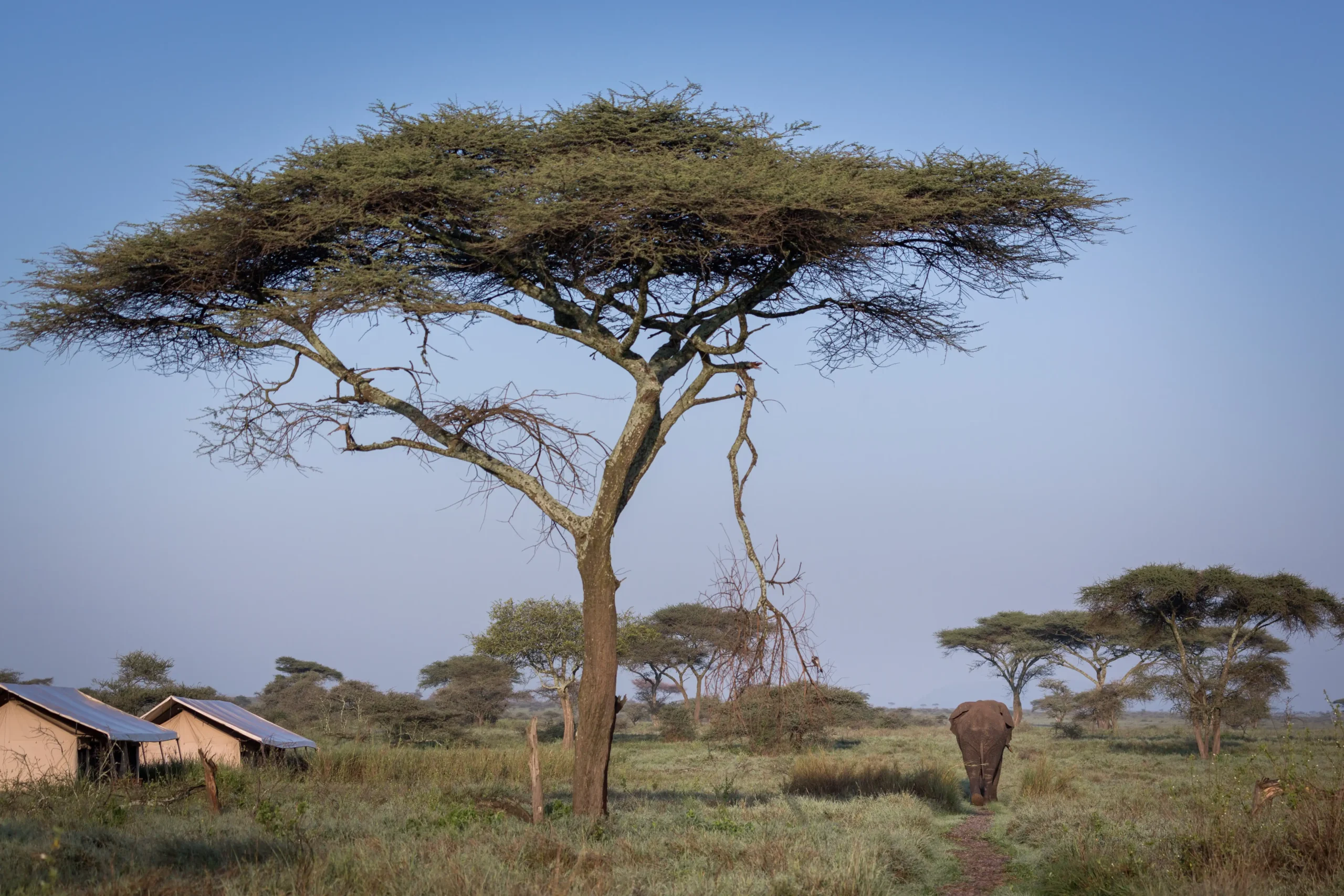
Tanzania in November can offer changing light, fresh grazing and a different rhythm across the Northern Circuit. However, your dates affect more than the weather. Mawe's northern seasonal camp closes during the month, while three year-round properties continue operating.
Gnu Mara River Camp publishes a season ending on 15 November. Gnu Ndutu Camp opens later, in late December. Therefore, the southern camp does not immediately replace the northern one for November stays.
Plan Tanzania in November around the camps that operate during your actual nights. Then consider resident wildlife, birding interests and the journeys between those bases. A thoughtful accommodation plan lets you enjoy the season without depending on a closed camp or fixed migration dates.
Is Tanzania in November right for your safari?
Yes, the month suits travellers who accept variable weather and want the permanent camps' lower accommodation band. A Tanzania safari in November can focus on resident Serengeti wildlife, Tarangire habitats and a planned crater visit. Early dates may also support a northern stay within confirmed operating nights.
Choose Tanzania in November if changing conditions interest you more than a guaranteed dry-weather itinerary. Rain can encourage fresh growth and alter wildlife movements. Nevertheless, its timing, intensity and effects vary across the region.
Photographers and birders can find seasonal possibilities without abandoning the larger wildlife. However, the month does not guarantee green scenery everywhere or a particular migrant-bird arrival. Give each selected area enough time for more than one outing.
Tanzania in November also requires realistic camp expectations. Published room savings apply to three year-round properties. Northern availability and other safari costs need their own checks before you confirm the trip.
Our annual Tanzania safari timing guide compares the broader seasons when your dates remain flexible.
Which dates change your November accommodation plan?
Two published business dates affect the month: the 1 November rate-band change and Gnu Mara's 15 November season end. For Tanzania in November, check those dates separately from weather and herd movements. They answer different booking questions.
Early November with a possible northern stay
Mawe, Baobab and Karatu enter their published low band on 1 November. Gnu Mara keeps one tariff throughout its northern operating season. An early-November enquiry can therefore involve four possible properties, subject to suitable rooms and confirmed operating nights.
Ask reservations for Gnu Mara's final bookable night and the required departure date. A published closing date alone cannot establish the latest arrival for several nights. Your complete northern stay must fit the confirmed arrangements.
Later November with the three year-round properties
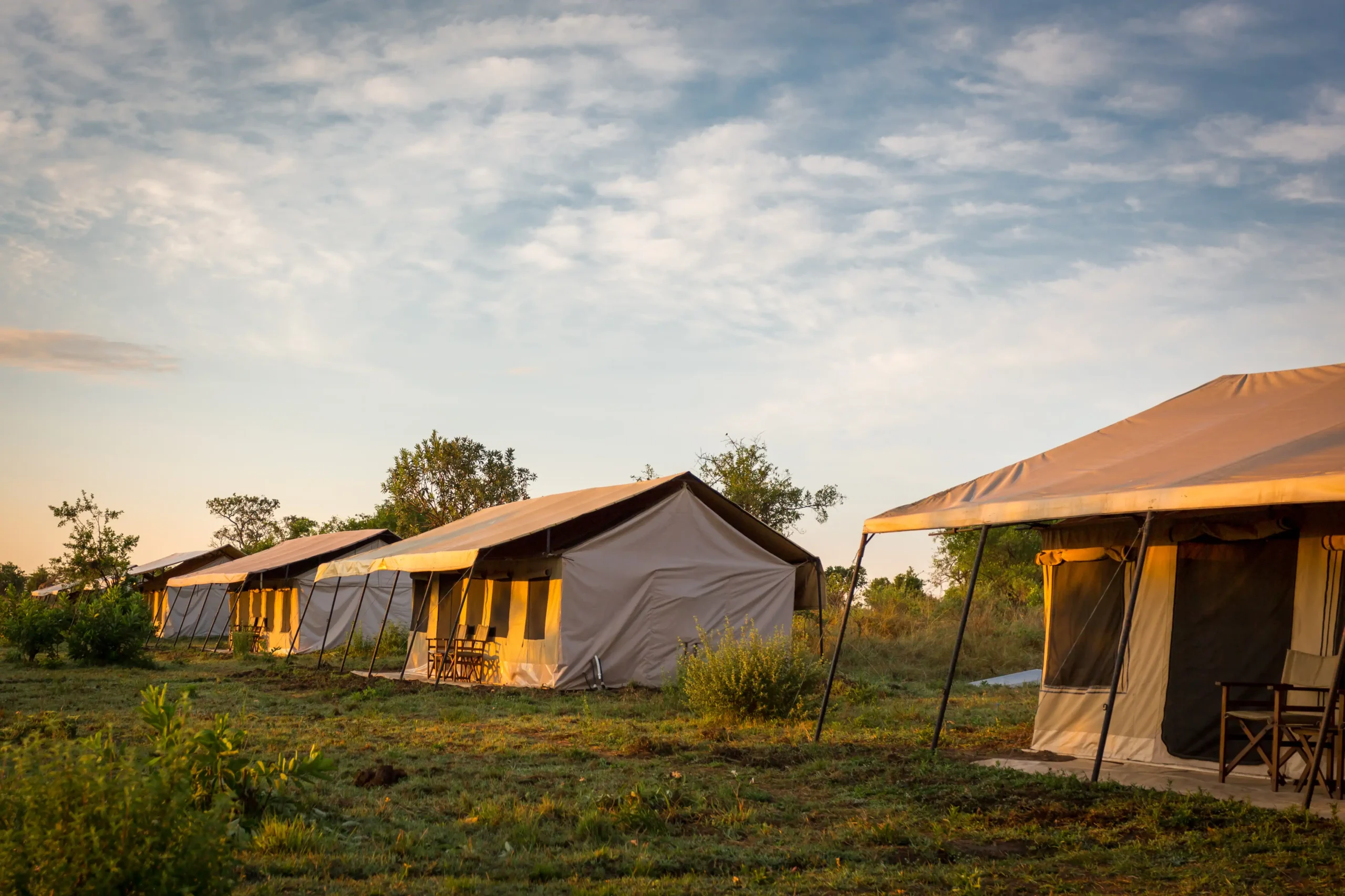
After the northern camp's season ends, build the accommodation plan around Mawe, Baobab and Karatu. Their locations support resident Serengeti wildlife, Tarangire outings and the Ngorongoro highlands. Gnu Ndutu's later opening leaves a gap between the two seasonal locations.
For Tanzania in November, this gap changes the camp choice without ending the safari options. Choose the operating bases that suit your interests. Then assess the route and local conditions for those particular dates.
What do the short rains mean for your daily plans?
Short rains can change roads, outing times and wildlife distribution during November. Tanzania weather in November needs regional information, rather than an assumption about brief afternoon showers. Prepare for variable conditions and review the intended year's outlook.
TMA's climate appendix places northern Vuli rainfall mainly between October and December. The term describes a seasonal rainfall period. It does not guarantee a short shower, clear mornings or uninterrupted travel on every day.
Weather across Serengeti, Tarangire and Karatu
Different Serengeti areas can receive different rainfall during the same stay. For Tanzania in November, ask about conditions around the booked camp and the next transfer. A report from another part of the park may not describe your journey.
In Tarangire, additional water and grazing can change where animals spend time. Karatu and the Ngorongoro highlands can also require warm clothing at an early start. Keep your day bag ready for rain, cooler air and brighter periods.
Your guide can assess which local outing fits current conditions. A delayed departure, another approved route or an earlier return may suit the day. Longer rain periods can require more substantial adjustments.
Why the intended year's forecast matters
Check the TMA seasonal forecast service, then review shorter-range information close to departure. Match the forecast to your region and travel year. Ask your planner how that information affects camp access and transport.
Tanzania in November can offer rewarding viewing between weather changes. However, avoid building the whole holiday around a promise that rainfall never disrupts activities. Several nights at each main base provide more room to adjust outings.
November 2026 planning note, checked 7 October 2026
TMA's 18 August 2026 Vuli advisory anticipates enhanced rainfall and highlights an increase during November. It also identifies possible transport disruption from flooding. Review updated official warnings before 2026 travel.
This forecast concerns 2026. For future years, replace the dated outlook with current guidance for that season.
Where might the migrating herds move during November?
Migrating herds may move towards central, eastern and southern grazing areas as rain changes the available food. Herd groups do not follow one fixed departure date across Tanzania in November. Local rainfall and grazing influence the pattern.
Some northern opportunities may remain during the early part of the month. However, an open Gnu Mara tent cannot guarantee a river crossing or nearby herds. Use current guide reports to judge the wildlife programme within your confirmed stay.
Further south, suitable grazing can draw animals through other Serengeti areas. That possibility adds interest to a resident-wildlife trip. It does not turn Mawe into a guarantee of migrating herds outside your tent.
For Tanzania in November, choose a route with worthwhile wildlife interests beyond the herd location. Resident cats, elephants and birds can give the journey several purposes. Keep migration sightings as a possibility within that wider plan.
Our migration annual route guide covers the broader movement cycle. November also differs from the main calving window. Consider your dates and priorities before changing the holiday solely to follow an assumed migration timetable.
Which parks support a flexible November route?
Start with resident-wildlife areas and operating camps, then assess other park visits against current access and your interests. Tanzania in November can combine Serengeti plains, Tarangire woodland and the Ngorongoro highlands. Each area brings a different planning question.
Central and eastern Serengeti
Serengeti in November offers a resident-wildlife focus even when migrating herds occupy other areas. Soit Le Motonyi and nearby central/eastern habitats provide reasons to search for lions, leopards and cheetahs. Your guide can assess cover, prey movements and current tracks.
Several nights at Mawe allow repeated local outings. That continuity can help you explore an area under different weather and light. However, resident wildlife does not guarantee every cat species or a particular behaviour.
For Tanzania in November, a central and eastern base avoids relying on a northern camp's later availability. Keep the outings responsive to conditions. A migration sighting can complement the stay without becoming its only measure of success.
Tarangire beyond peak river concentrations
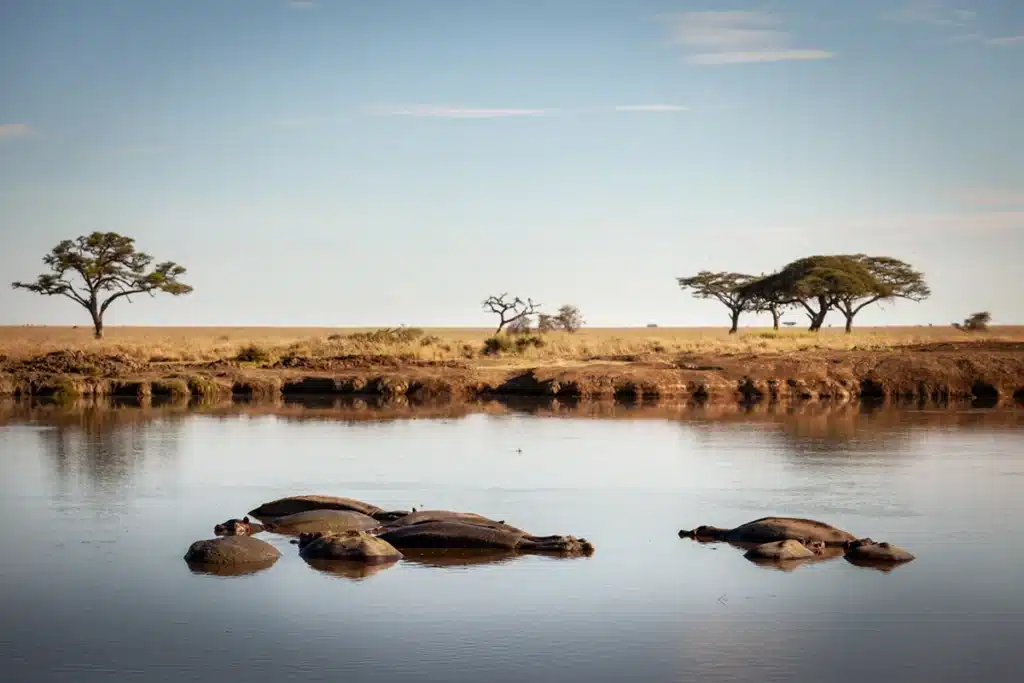
Tarangire in November can offer elephants, woodland wildlife and birds as water conditions change. TANAPA explains how dry-season water shortages draw several species towards river habitats. Rain can later create additional water sources across the wider landscape.
Consequently, avoid expecting the same river concentrations throughout a wetter November stay. Ask which habitats currently hold activity. Baobab's position inside the park supports local exploration, subject to current tracks and viewing information.
Tanzania in November can suit Tarangire travellers who enjoy habitat variety alongside elephant viewing. Give birds, trees and feeding behaviour time as well. Another park may deserve more nights if concentrated dry-season herds form your only priority.
Ngorongoro and the Karatu base
Ngorongoro Crater adds resident wildlife within grassland, wetland and woodland habitats. Karatu supplies an overnight base outside the conservation area. Check the gate journey, descent and later transfer when fitting the visit into your stay.
For Tanzania in November, the day's access deserves a current local check. Keep warm clothing available before leaving the highlands. A crater visit can complement Serengeti outings without following the migration's position.
Manyara can add forest and birding interests when access and conditions suit. Meanwhile, Eyasi can support a carefully arranged community visit. Confirm the guide, host arrangements and day's travel rather than treating every additional stop as automatic.
Which Mawe camps can you book before and after mid-November?
Three Mawe properties operate throughout November, while Gnu Mara serves only its confirmed northern-season nights. Gnu Ndutu does not operate during November. The table shows published calendars, rather than live availability for a particular room.
| Property | Before Gnu Mara's mid-month season end | After the northern season ends | Published next operating period |
|---|---|---|---|
| Mawe Tented Camp | Operating year-round | Operating year-round | Continuous operation |
| Baobab Tented Camp | Operating year-round | Operating year-round | Continuous operation |
| Karatu Tented Lodge | Operating year-round | Operating year-round | Continuous operation |
| Gnu Mara River Camp | Possible within confirmed nights before its published 15 November closure | Outside the published season | Northern season starts 1 June |
| Gnu Ndutu Camp | Outside the published season | Outside the published season | Southern season starts in late December |
Three permanent options throughout the month
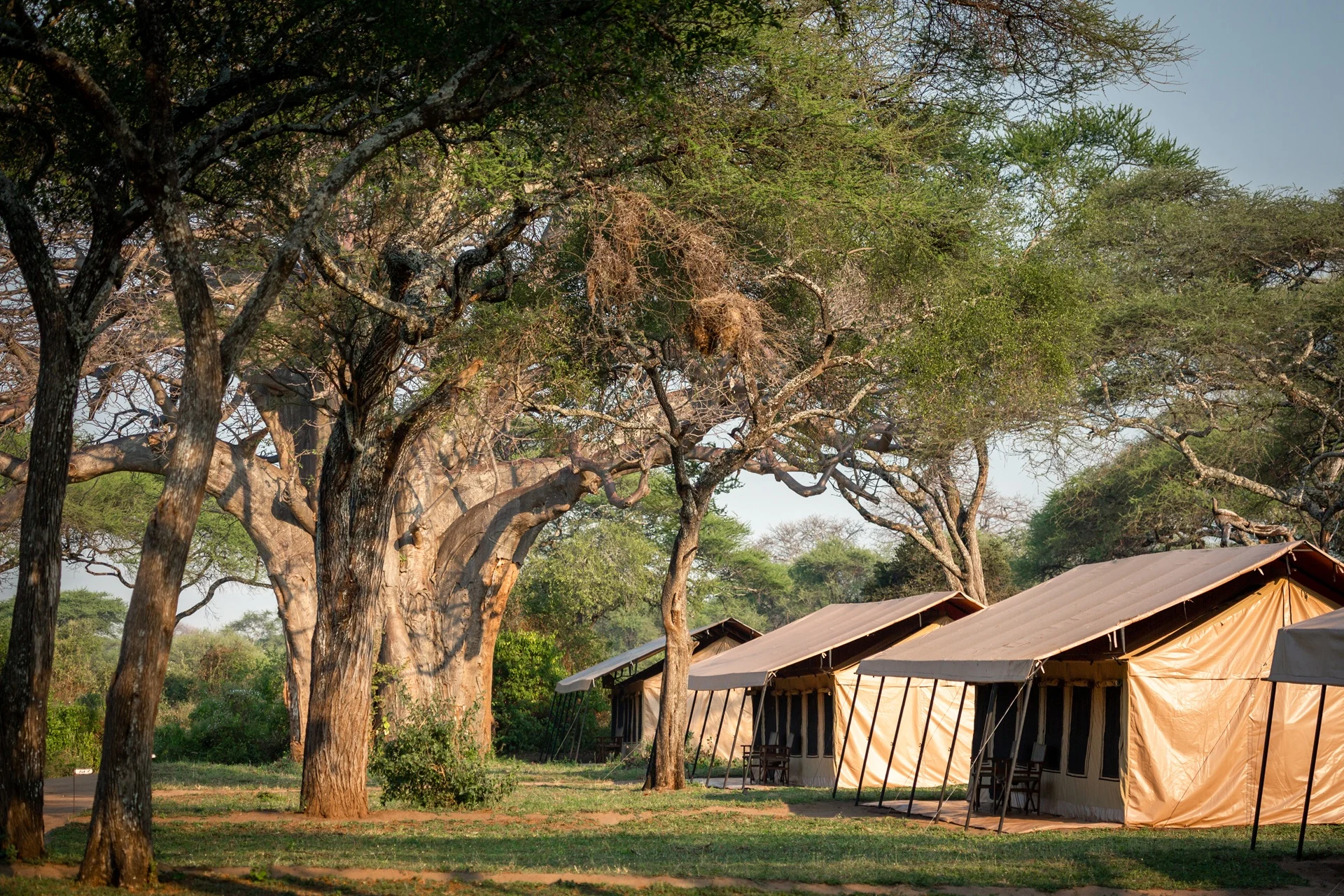
Mawe Tented Camp serves central and eastern Serengeti. Baobab Tented Camp operates inside Tarangire. Karatu Tented Lodge provides a highland base near the Ngorongoro route.
For Tanzania in November, choose those bases according to the landscapes you want to explore. Check suitable rooms across every date. Families should provide ages and sleeping preferences, rather than relying on general property availability.
The seasonal-camp handover
Gnu Mara's published season ends on 15 November. Confirm the final stay and checkout arrangements through reservations. Gnu Ndutu's southern season begins in late December, rather than immediately after that closure.
Therefore, where to stay in Tanzania in November depends on both your nights and the available operating bases. The three permanent properties provide the later-month choices. Full property pages retain the room, facility and policy details.
What can November save on accommodation?
November's published low band reduces matched sharing tariffs at Mawe, Baobab and Karatu compared with October. Gnu Mara retains one operating-season tariff. November safari costs therefore require separate accommodation and complete-trip calculations.
Published room-rate changes
The figures below use owner-published tariffs checked on 7 October 2026. Each USD figure covers one sharing adult for a full-board night in double or twin accommodation.
| Property | October tariff, USD | November tariff, USD | Accommodation reduction per adult, per night, USD |
|---|---|---|---|
| Mawe Tented Camp | 280 | 195 | 85 |
| Baobab Tented Camp | 256 | 194 | 62 |
| Karatu Tented Lodge | 144 | 118 | 26 |
| Gnu Mara River Camp | 286 | 286 within its operating season | No published seasonal reduction |
For Tanzania in November, confirm the tariff for your actual travel year and occupancy. The room category matters as much as the month. Single travellers and families may need a different calculation.
Consider a hypothetical later-November stay with two Baobab nights, two Karatu nights and four Mawe nights. The displayed tariffs produce USD 1,404 per sharing adult for accommodation with full board. The same eight camp nights under October tariffs total USD 1,920 per adult.
The difference equals USD 516 per adult for accommodation. This example uses the 7 October 2026 tariff check. It does not price the complete safari or guarantee a booking quote.
Why a cheaper room does not price the whole trip
Authority charges, guided vehicles, flights, transfers and optional activities require their own figures. Their prices need not follow the accommodation band. Bar purchases and gratuities also remain outside this room comparison.
Our safari cost guide explains the wider calculation. When pricing Tanzania in November, compare matched inclusions and transport before deciding how much the full journey saves.
Should you fly or drive when November tracks soften?
Choose transport after checking the route, your camp nights and the conditions affecting each transfer. Flying can shorten a long regional journey. However, flights still depend on weather, airstrip conditions and the operator's actual schedule.
For Tanzania in November, ask your planner to compare both options for the longest travel leg. A flight reaches an airstrip, rather than every camp doorstep. Your onward vehicle journey still needs suitable access.
Mawe uses Seronera access, while Gnu Mara uses Kogatende for its northern location. Baobab's park position connects with Kuro. Your operator should select Karatu's arrival route around the wider itinerary, rather than assuming one universal airstrip pairing.
Driving can connect the Northern Circuit's different landscapes within one guided journey. Nevertheless, heavy rain can change surface conditions and journey times. Ask where your guide can adjust the route when a particular track becomes unsuitable.
Tanzania in November benefits from transfers that leave room for practical changes. Avoid placing a long road journey directly before an inflexible international departure. Discuss a final overnight stop or another suitable connection with your planner.
Finally, request the baggage rules for every booked flight. Compare the actual allowance, bag shape and any equipment restrictions. General safari packing advice cannot replace your carrier's current ticket conditions.
How many nights work for an early or late November route?
Set the nights for Tanzania in November around operating calendars before deciding your route. Early dates may permit a northern Serengeti combination. Later dates call for operating permanent bases while Gnu Ndutu remains outside its season.
The following structures illustrate accommodation nights, rather than complete day-by-day packages. Both need room availability, viable transfers and current rates. Tanzania in November may require extra arrival or departure nights beyond these examples.
| Planning option | Camp-night example | Main calendar check | Transport question |
|---|---|---|---|
| Early northern option | Three Mawe nights plus three Gnu Mara nights, six total | Confirm every Gnu Mara night and its checkout arrangements | Compare central-to-northern flights with the guided road journey |
| Later resident-wildlife circuit | Two Baobab nights, two Karatu nights and four Mawe nights, eight total | Confirm suitable rooms at the three year-round properties | Allow practical transfer time between Tarangire, Karatu and Serengeti |
The early example keeps two Serengeti bases without assuming that migration sightings justify both. Your interests should support each stay independently. If northern conditions disappoint, discuss the route before committing to its confirmed dates.
For Tanzania in November, the later example offers more than a substitute for a closed seasonal camp. It combines woodland, highland access and extended Serengeti viewing. Its eight camp nights also match the accommodation calculation above.
Explore our Northern Circuit itinerary collection for fuller daily programmes. Ask your planner to reconcile camp nights, sightseeing days and travel connections. Those totals describe different parts of the holiday.
What can November offer birders and photographers?
November can add birding interest as some seasonal migrants join resident species. Arrivals vary with species, conditions and location. Therefore, plan around suitable habitats and patient observation rather than a guaranteed list of new arrivals.
Our Tanzania birding guide covers the wider seasonal context. Within Tanzania in November, compare Tarangire woodland, Serengeti grassland and suitable wetland stops. Each habitat supports a different search, rather than one interchangeable birding outing.
Tell your guide which birds interest you before the drive. Allow time to watch a feeding area instead of rushing between distant sightings. Binoculars and a field guide can also add interest when larger mammals remain quiet.
Photographers may find fresh growth, cloud patterns and changing light after rain. However, November does not guarantee green backgrounds across every park. Shade, cloud cover and dust also depend on recent local conditions.
For Tanzania in November, build a small photography plan around subjects rather than a single ideal sky. Consider wildlife behaviour, woodland details and wider landscapes. Then use repeat outings to work with the light you actually encounter.
Our safari photography guidance explains broader photographic planning. Discuss vehicle seating and equipment space before booking. Keep cameras protected during rain and transfers, and respect your guide's instructions around wildlife.
Which activities need flexible November booking?
Ask which optional outings operate from your chosen base during your exact dates. Some activities require a separate provider, permission or advance arrangement. Their suitability depends on local conditions as well as the property's operating calendar.
Baobab can provide a starting point for enquiries about guided walking and night-drive options. Confirm the permitted area, provider and conditions before adding either activity. A camp stay alone does not establish that every optional outing will run.
For Tanzania in November, balloon enquiries also need a named operating area and confirmed supplier. Wind and other weather conditions can affect departures. Avoid making a balloon flight the only purpose of a short stay.
Cultural visits near the Karatu and Eyasi route need thoughtful host arrangements. Ask who leads the visit and how the schedule respects the community. Confirm the journey and access before adding it between two camp transfers.
When arranging Tanzania in November, request written terms for each separately priced activity. Ask what happens if conditions prevent departure or require a date change. Use the supplier's actual answer when deciding how much flexibility to keep.
Finally, retain worthwhile camp-based or guided alternatives. A relaxed afternoon and a later wildlife drive may suit changing conditions. Your planner should confirm the practical options rather than promising a universal replacement activity.
What should you pack for wet tracks and cool starts?
Pack for changing conditions within the same day. Bring a light rain layer, comfortable closed footwear and clothing that dries reasonably quickly. Add a warm layer for early departures and the Karatu highlands.
For Tanzania in November, separate clean clothing from wet or muddy items within your bag. A spare pair of socks helps after a damp outing. Check footwear grip before departure, rather than discovering a worn sole beside a wet path.
Protect travel documents and electronic equipment from rain during transfers. Keep essential items accessible when luggage travels separately within the vehicle. Discuss large camera bags and specialist equipment with any flight operator before confirming the booking.
Our safari packing guide provides the fuller checklist. Adjust that list to the luggage rules of your actual transport. Ask each camp about laundry arrangements instead of assuming immediate drying during wetter conditions.
Tanzania in November also rewards simple preparation beyond clothing. Save your confirmed itinerary and essential reservation contacts where you can access them offline. Share dietary needs, room preferences and any practical access requirements before arrival.
Consult our tourist visa preparation guide when arranging travel documents. Check current requirements for your nationality through official immigration guidance. The month-specific packing plan cannot determine your entry requirements.
Before leaving for Tanzania in November, review the forecast alongside your final route. That check helps you adjust layers and protection without filling your bag with unnecessary extras.
Can you add Zanzibar or Kilimanjaro during November?
Yes, you can discuss either extension, but each needs its own timing and operating checks. Mawe's accommodation network centres on the Northern Circuit. Zanzibar stays use partner hotels, while Kilimanjaro climbs require specialist operators.
A mainland safari forecast cannot describe every island beach or mountain altitude. For Tanzania in November, check the extension's regional outlook separately. Discuss transfers, flight connections and enough time for the activity you actually want.
An island stay may suit travellers who want a slower finish. A climb needs a different schedule and specialist preparation. Ask your planner to connect the bookings realistically, rather than fitting either extension into a spare transfer day.
Would October or December suit you better?
An October or November safari decision should begin with your priorities and camp dates. October may offer more remaining dry-season conditions before local short rains develop. However, neither month gives every northern area identical weather.
October keeps Gnu Mara within its published northern season throughout the month. It also carries higher published sharing tariffs at the three permanent properties. November lowers those accommodation figures, while the northern seasonal calendar ends mid-month.
Choose Tanzania in November when its operating bases and weather flexibility suit your holiday. Do not select it solely because one room figure looks lower. The full quote and the route's practical value deserve equal attention.
December introduces another accommodation decision. The permanent properties publish their low band through 21 December, then their festive peak band from 22 December. Gnu Ndutu starts its southern season in late December, subject to a confirmed opening date.
Our December safari guide covers that month's fuller planning. The festive rate change does not automatically establish Gnu Ndutu's opening day. Confirm each calendar separately if your trip crosses those dates.
Compared with Tanzania in November, later December can therefore change both seasonal-camp choices and permanent-property tariffs. Review the actual nights before switching months. Wildlife priorities, weather tolerance and suitable accommodation should guide the final choice together.
November safari questions
Can I book Gnu Mara for the second half of November?
Gnu Mara publishes a northern season ending on 15 November. Ask reservations to confirm the last bookable night and checkout arrangements. For Tanzania in November after that seasonal closure, consider Mawe, Baobab and Karatu instead.
Can Gnu Ndutu replace Gnu Mara immediately in November?
No, Gnu Ndutu's published season starts in late December. It does not operate during November. For Tanzania in November, choose confirmed year-round bases that serve your preferred areas.
Do all Mawe properties reduce rates on 1 November?
No, Mawe, Baobab and Karatu publish lower November sharing tariffs, while Gnu Mara keeps its operating-season rate. Compare the same occupancy and meal basis. Confirm intended-year prices before calculating your Tanzania in November booking.
Does November rain cancel every safari day?
No, rainfall does not automatically cancel every outing. However, intensity, access and safety conditions can alter particular plans. Tanzania in November needs current forecasts and local advice, rather than a promise that every drive will proceed.
Can I see calving on a November trip?
November does not cover the main wildebeest calving peak. Our wildebeest calving guide explains that separate seasonal focus. Choose resident-wildlife interests for November, and discuss different dates if concentrated births form your main priority.
Should I choose early or late November?
Early dates may support confirmed Gnu Mara nights alongside central Serengeti accommodation. Later dates rely on year-round properties during the seasonal-camp gap. Either choice needs a route that matches your wildlife interests, transport and willingness to adjust around weather.
Choose operating Mawe camps for your November dates
Start with your dates and the areas you most want to explore. Then match those interests with confirmed camp nights. Tanzania in November can combine worthwhile wildlife viewing with realistic short-rain planning and clear accommodation choices.
Send your dates, party details and preferred parks through our trip enquiry form. We will help you compare operating bases and request suitable arrangements. Ask for a complete quote that distinguishes accommodation, transport, authority charges and optional outings.