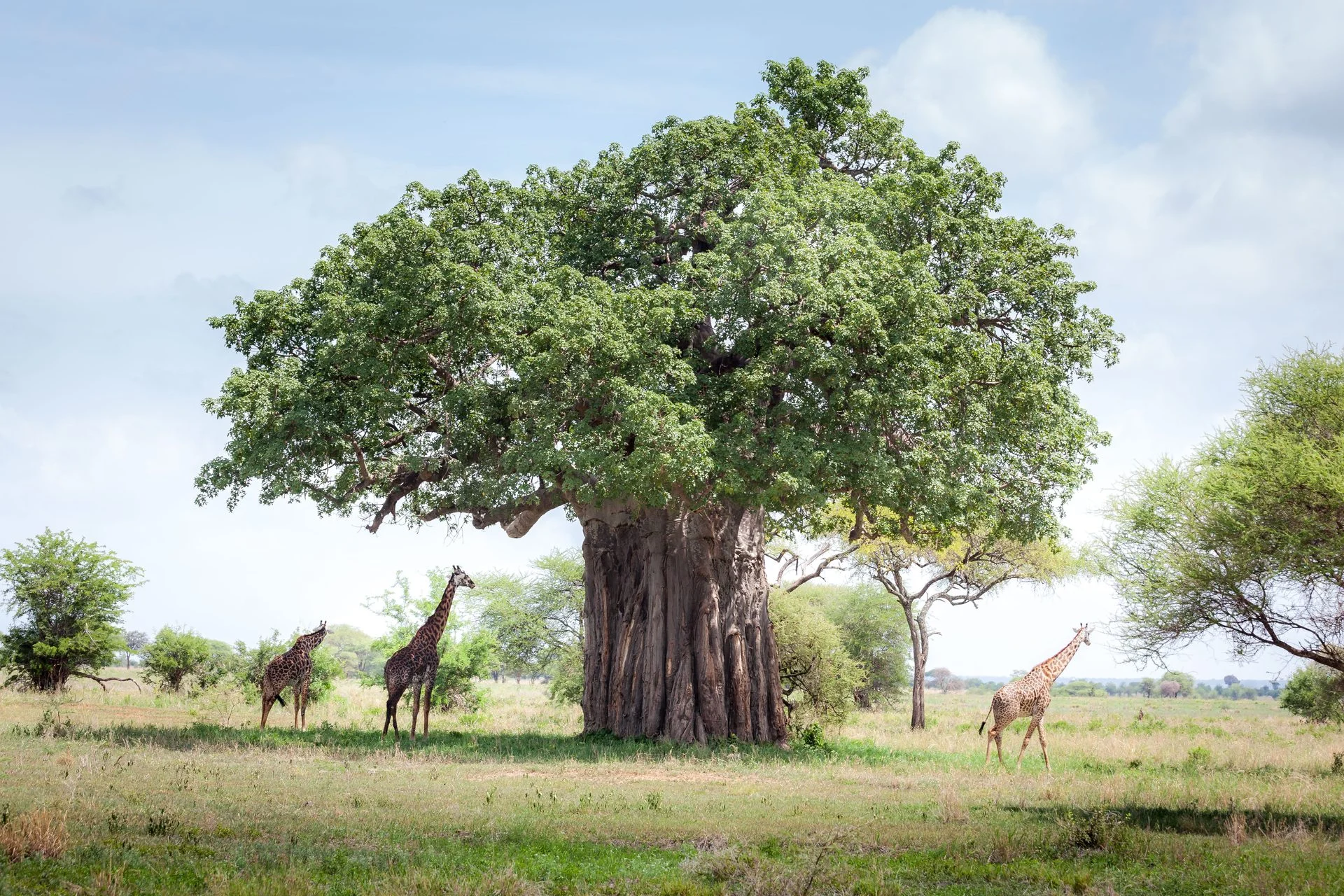
From about June the country around Tarangire dries out and the herds come back to the river. That date is what the whole calendar here turns on, because much of this park’s wildlife spends the wet months outside the boundary.
So the best time to visit Tarangire is July to October, and September if you only get one month. June is the shoulder month either side of that, and mid-March to mid-May is the cheapest and emptiest stretch on the calendar.
Our camp is inside the park and takes bookings in every month. In the dry months the elephants come past the tents rather than the other way round.
When is the best time to visit Tarangire?
July to October, for elephants on the river and the easiest game viewing you will get here. September is the single best month, because the country outside has been dry for long enough to concentrate the herds and the first storms have not arrived. Pick a different month only if price, birds or empty roads matter more.
| If you want | Go | What it costs you |
|---|---|---|
| The best overall game viewing | July to October | Peak bed rates, and the busiest roads |
| One month, and the strongest of them | September | Peak rates, dust |
| Good game viewing before the peak rates | June | Grass still dropping, herds still arriving |
| Good game viewing as the peak eases | October | First storms possible late in the month |
| Elephants at their most concentrated | August and September | The two busiest months on the river |
| The lowest price on the calendar | Mid-March to mid-May | The wettest weeks and the fewest animals |
| The emptiest park | April and May | Mud, long grass, and a lot of driving |
| Birds at their fullest | November to April | Long grass and scattered herds |
| Green country with the herds still around | November and December | Short rains, and holiday rates from 22 December |
| Newborn plains game | January and February | Warm, and the middle of the high rate band |
When is the Tarangire migration?
The Tarangire migration is a seasonal movement in and out of the park, not a single mass event on a date. Most of what people mean by the Tarangire elephant migration is that movement, with the elephants leaving as the rains spread water across the wider country and coming back to the river as it dries. It is nothing like the Serengeti’s Great Migration, where more than a million animals travel as one herd. The herds build inside the boundary from about June and hold there until the short rains break in November.
What the research shows
Research published in the conservation journal Oryx in 2010, by Charles Foley and Lisa Faust, working from long-term records inside the park, sets out the mechanism. In the wet season most large ungulates, elephants included, move to dispersal areas beyond the park boundary, and they return when the temporary water in those areas dries up.
A 2022 study of movement across the ecosystem, by Lohay and colleagues, found the dry season pulls those animals back into three protected areas, Tarangire among them. The Tanzania Wildlife Research Institute counted the same ecosystem from the air in the dry season of 2016, with TANAPA, and found its densest elephant, zebra and wildebeest inside Tarangire National Park.
Similarly, predators work to the same water. Lion and cheetah stay near the river through the dry months, because that is where the food is, and the African wild dogs recorded here are easier to come across once the bush has thinned.
No other park on the circuit works quite like this. In the Serengeti the animals stay inside the park and move between regions, which is why the best time to visit the Serengeti is a question about where to book rather than whether the herds are there at all.
Peak months
June to October, the Tarangire dry season
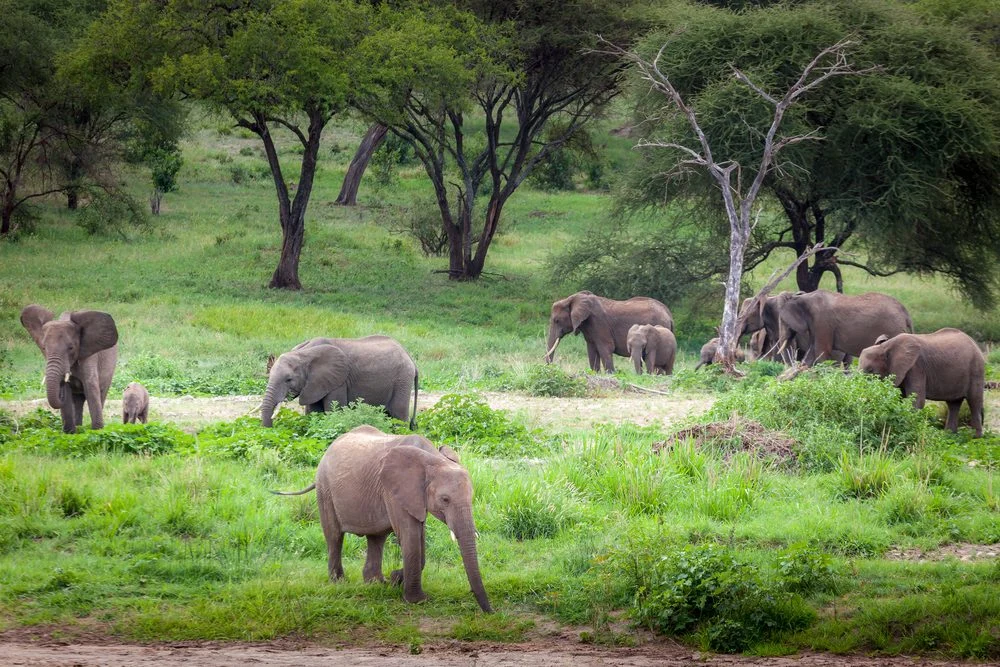
The Tarangire dry season is the strongest half of the calendar. Elephants gather along the river and through the Lake Burunge corridor, which is the stretch our camp is in, and TANAPA states the park holds more African elephants per square kilometer than any other national park in the country.
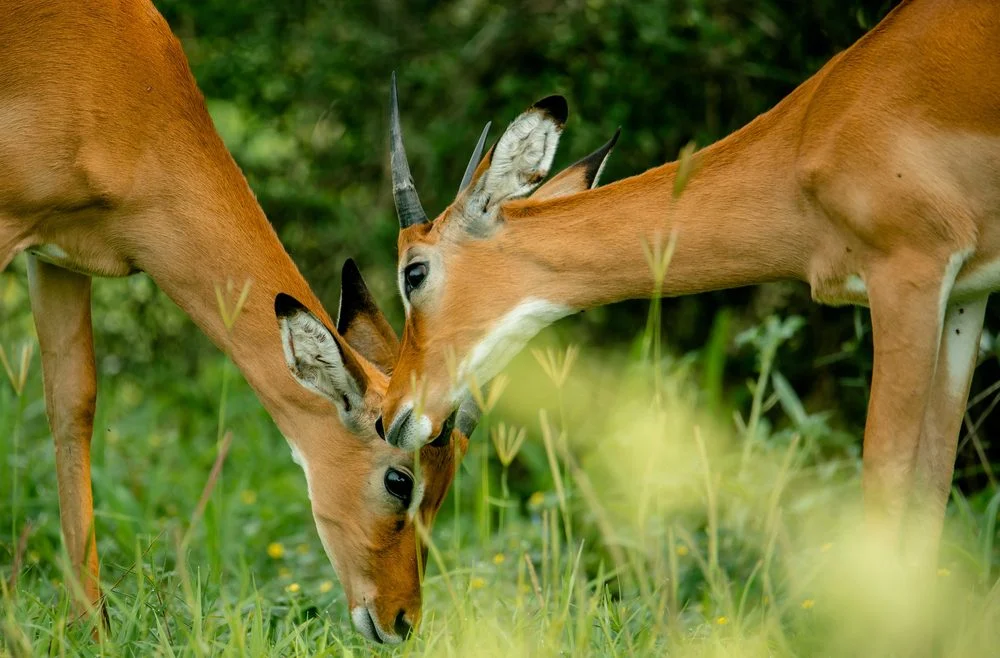
The bush thins, the grass drops and the roads firm up. Beisa oryx, gerenuk and kudu are all recorded here by TANAPA and are hard to find elsewhere in Tanzania, and all three are easier to pick out once the cover is gone. The baobabs look their best against dry country, which is why photographers pick August to October.
Of course, you pay for it in two ways. Bed rates move to their peak band on 1 July and hold there to 31 October, and the park is at its busiest through the same window. If one window has to do the whole job, July to October is the best time to visit Tarangire.
Why June is the value month
June falls between the two. The long rains have finished, the ground has dried and the herds are coming back to the river, but the peak rates do not start until 1 July and the crowds arrive with them. The trade is that the grass has not fully dropped yet, so game viewing is a step behind August.
Likewise, October works the same way at the other end. The animals are still concentrated, the rates are still peak until 31 October, and the first storms can arrive late in the month.
Green season
November to February, the early Tarangire green season
November and December get the short rains, usually as afternoon bursts. As a result, the country greens up and the herds begin moving out of the park. Rates drop to the low band on 1 November and hold until the holiday period begins on 22 December.
January and February behave differently from the rest of the green season. Instead, they are a warm, drier gap between the two rain seasons. Plains game calve in these weeks, the grass is green but not yet long, and enough animals are still within reach that game viewing holds up better than it does in April.
Night game drives go out from camp in every month, and TANAPA permits walking safaris here as well. Both are among the few things at Tarangire the season does not change.
The best time for birdwatching in Tarangire
November to April. Migrant species arrive with the rain and stay until the long rains finish, which gives the fullest bird list Tarangire produces. The trade is that the same rain lengthens the grass and scatters the big herds, so a birding trip and an elephant trip pull in opposite directions on the calendar.
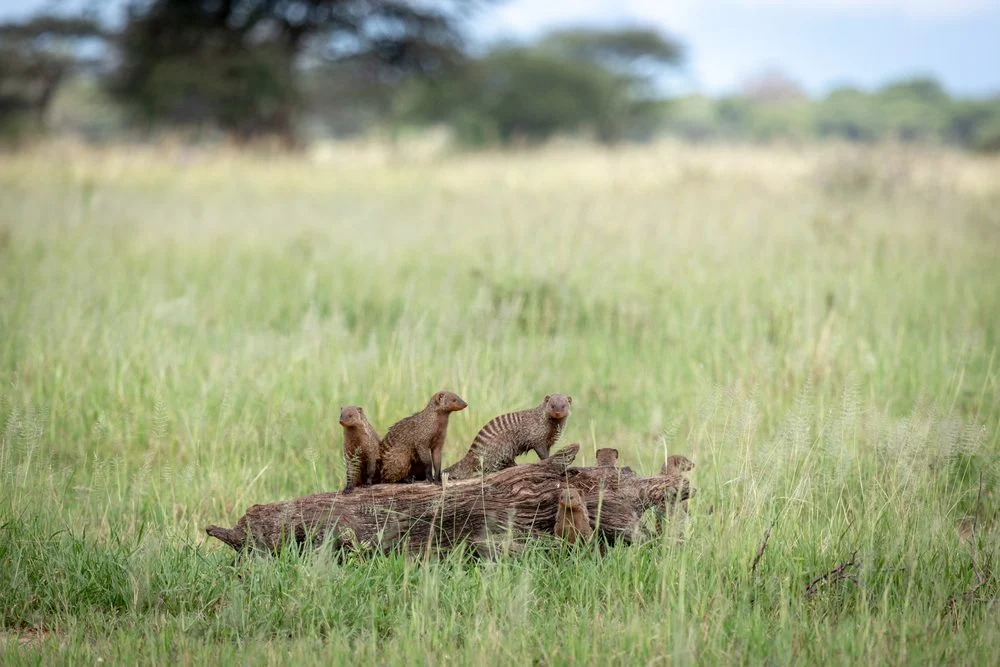
Long rains
March to May, the long rains and the emptiest weeks
These are the wettest weeks and the animals are at their most scattered. Grass is long, side roads are soft, and you will cover more ground to find less. Nobody should book April expecting the park to look like the photographs taken in September.
TANAPA recommends a four-wheel drive vehicle in the wet season, which it dates November to May, and its visitor guide warns of muddy sections and tells drivers to avoid waterlogged pans and unbridged crossings. That matters most in April.
They are also the cheapest weeks by a clear margin, and the park is close to empty. If you are coming for the birds, or because the budget decides the trip, April and early May do that better than any other month.
When Tarangire is your only park, and you have one shot at it, take a different month. If it is one stop on a longer route and you want two nights somewhere green and empty before the crater, these weeks earn their place.
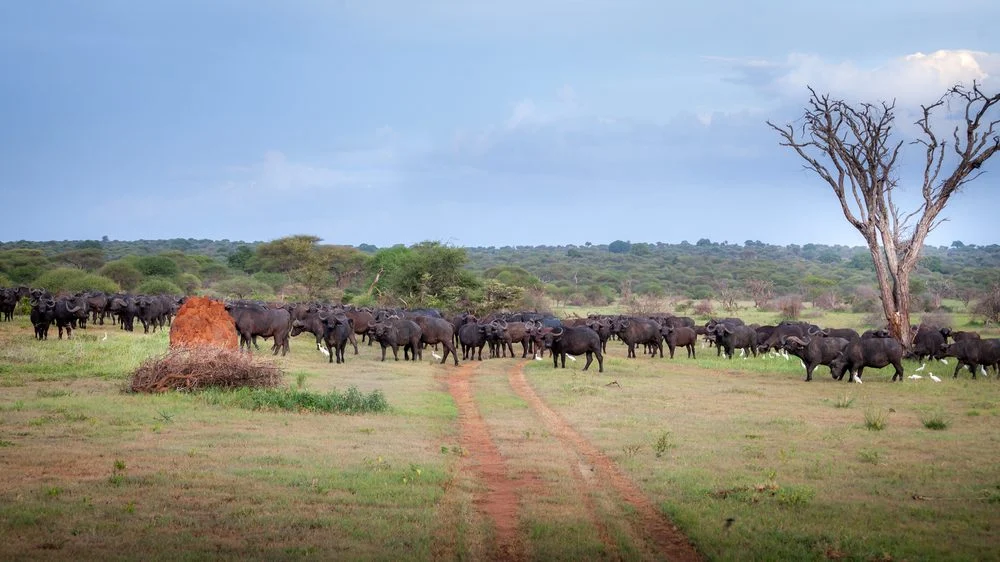
Tarangire weather, and why one year is not like the next
Mean annual rainfall inside the park is 656 millimeters (26 inches), measured over a long-term record and published by Foley and Faust in Oryx. That is the average. The useful number is the spread around it.
Across the years in that record, annual rainfall ranged from 312.5 millimeters (12 inches) to 1,322 millimeters (52 inches). In other words, the wettest year was more than four times the driest, and the coefficient of variation was 36.4 percent.
That spread is why a month here is a probability and not a promise. A dry year pulls animals to the river early and holds them there longer, so June can behave like August. A wet year keeps water on the dispersal grounds into June, and the herds take their time coming back.
We do not publish a Tarangire weather by month table carrying temperatures, because no official source we can cite publishes one for this park. Rainfall we can cite, so we have. For what the wet months do to the roads, see the March to May section above.
Lowest price
When to go to Tarangire for the lowest price
March to June, and November to 21 December. Price is the one axis where the best time to visit Tarangire is the opposite of the wildlife answer, and our low band is $62 per person per night below peak. May pairs that rate with the emptiest roads, and November pairs it with the arriving migrant birds and herds that have not fully dispersed yet.
On the gate, TANAPA’s Tarangire page currently shows $70 for a non-resident adult and $20 for a non-resident child, while the most recent schedule it publishes for download is the 2023/24 one, valid to June 2024, which listed different figures. Plan on $70 and confirm the current fee with TANAPA before you book.
Tarangire month by month
| Month | Where the animals are | Crowds | Bed band |
|---|---|---|---|
| January | Close in, plains game calving, birds in numbers | Busy to 5 January, then light | High from 6 January |
| February | Still close in, the driest weeks of the first half | Light | High |
| March | Dispersing outward as the long rains begin | Light | Low from 1 March |
| April | Furthest out and most scattered | Emptiest month | Low |
| May | Beginning to drift back, grass long | Very light | Low |
| June | Returning to the river, grass still dropping | Building | Low to 30 June |
| July | Concentrating on the river | Busy | Peak from 1 July |
| August | Densest of the year on the river | Busiest | Peak |
| September | Still concentrated, dry and dusty | Busy | Peak |
| October | Holding on the river, first storms possible late on | Busy, easing | Peak to 31 October |
| November | Moving out as the short rains arrive, birds arriving | Light | Low from 1 November |
| December | Well spread, light traffic until the holidays | Light, then busy | Low to 21 December, then peak |
Bed bands are for a double or twin, per person.
Frequently asked questions
Choosing your month
Elephants, crowds and cost
For the park itself, its animals and where to stay, the Tarangire safari page covers all of it, and the best time to visit Tanzania sets every park on the circuit against each other.