The right answer to fly or drive to Serengeti depends on the rest of your route. Driving can connect Tarangire, Karatu and Ngorongoro with a Serengeti stay. Flying can protect more wildlife time when your main destination is a distant Serengeti region or your trip is short.
A flight is not the whole transfer. You still travel to the departure airport, check in, make any intermediate stops and meet the vehicle at the arrival airstrip. Compare that complete sequence with the road plan before deciding what saves useful time.
Should you fly or drive to Serengeti?
Choose driving when the places between Arusha and Serengeti form part of the safari you want. Consider a flight when road transfers would use too much of the time you have in your chosen region. A road journey in one direction and a flight in the other can also work.
| Your priority | Option to discuss first | What still needs checking |
|---|---|---|
| Visit Tarangire and Ngorongoro as well as Serengeti | A road circuit | Enough nights for the parks and transfers |
| Spend a short break mainly in Serengeti | Fly into the right region | Flight times, camp pickup and guiding |
| Reach the northern Serengeti without a long road approach | A Kogatende flight | Camp dates, total cost and onward plans |
| Keep one guide through a road itinerary | Drive between the camps | The guide and vehicle arrangements throughout |
| Avoid repeating the return road journey | Drive in and fly out | Where the vehicle service ends and flight departure begins |
Mawe can arrange travel by road and air. The choice should make your camp nights and wildlife days work together, rather than add a flight because it sounds quicker in isolation.
Compare the whole transfer, not the flight time
A flight advertised as a short hop may use several hours of the day once you include ground arrangements. You need to reach the correct airport, allow for check-in, take the actual booked service and then continue from the airstrip to camp.
Some safari flights stop at other airstrips. Departure and arrival times can therefore differ from a nonstop service or a private charter. The airline’s confirmation is more useful than a single generic flight-time claim.
The road option also needs the full picture. A transfer between camps is different from a day that combines driving with wildlife stops. If you stop to watch animals, have lunch and visit another part of the route, the vehicle may be working through much of the day.
Compare the time you can use in the destination. Arriving near lunchtime can mean an afternoon drive, while a late arrival may mainly leave time to settle into camp. A flight that saves road hours but leaves very little useful daylight might not justify the extra cost on your particular itinerary.
Our Serengeti destination guide explains the regions. The transport decision becomes easier once you know which part you want to reach and how many nights you can spend there.
What the road route gives you
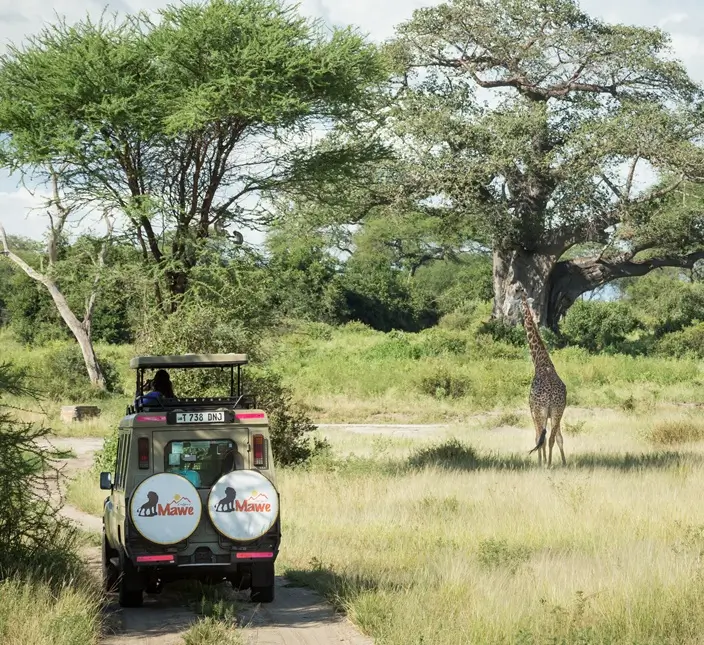
A road safari can include places that a direct Serengeti flight passes over. Tarangire, the Karatu highlands and Ngorongoro can form part of the itinerary before you reach the central plains. The transfer then connects separate safari visits rather than filling a day with a return drive alone.
Staying at Karatu can break the route and support a Ngorongoro Crater visit. That is a different trip from flying directly to Serengeti and returning to Arusha. Compare the wildlife areas and nights alongside the mode of transport.
Driving also lets you keep ordinary road stops within the agreed plan. You can discuss breaks and the day’s pace with your guide. It does not mean you can add unlimited detours without affecting the next arrival or park charges.
Time in a vehicle is a real part of the choice. Rough surfaces, dust and longer transfer days can be tiring. If back discomfort, motion sickness or frequent rest stops matter to you, explain those needs before accepting the itinerary. A shorter trip may need fewer places rather than a denser route.
Where flying saves the most useful time
Flying can be useful when the stay is concentrated in a region far from the rest of the road route. The northern Serengeti is a clear area to examine, particularly if reaching it by road would remove a large part of your limited stay.
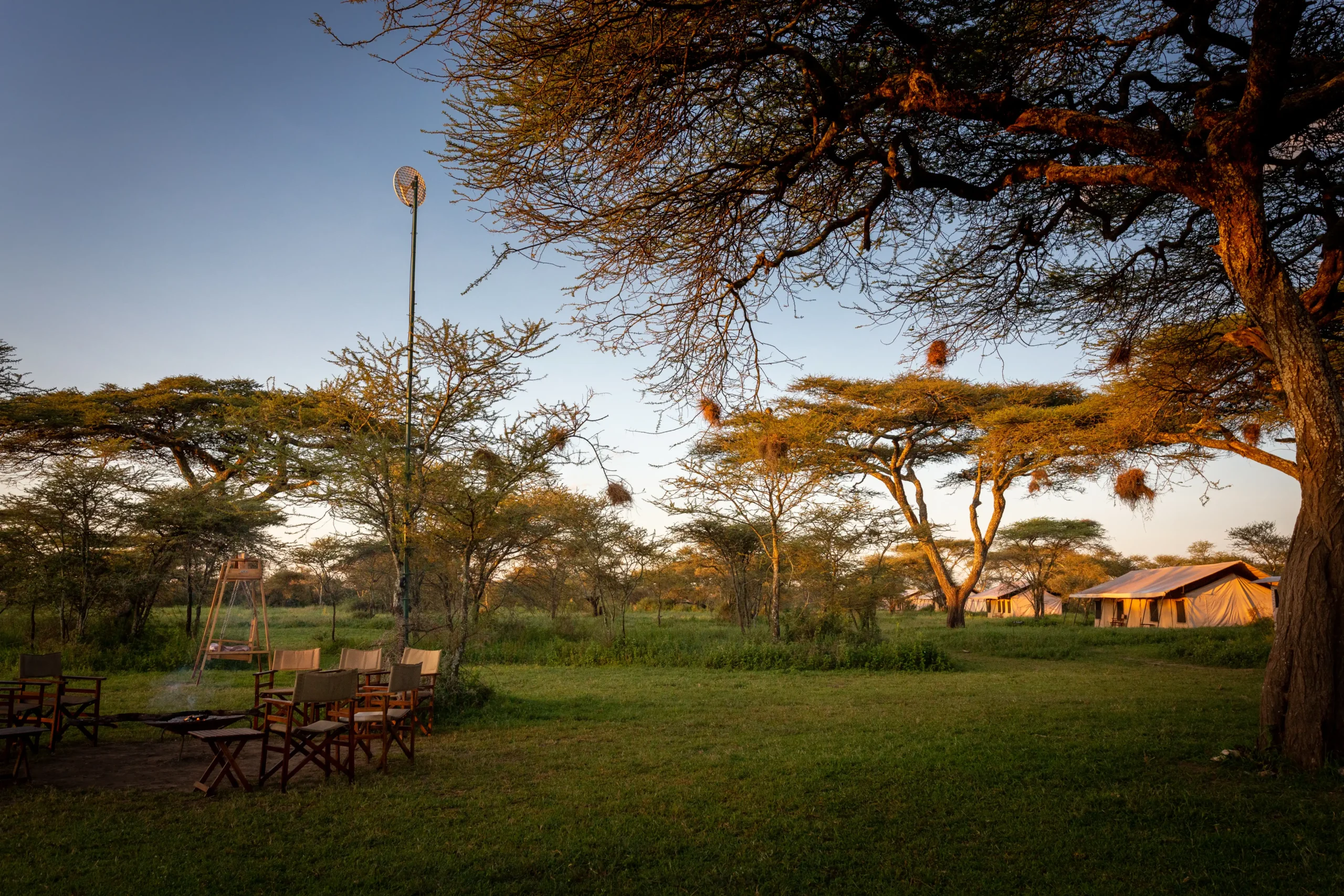
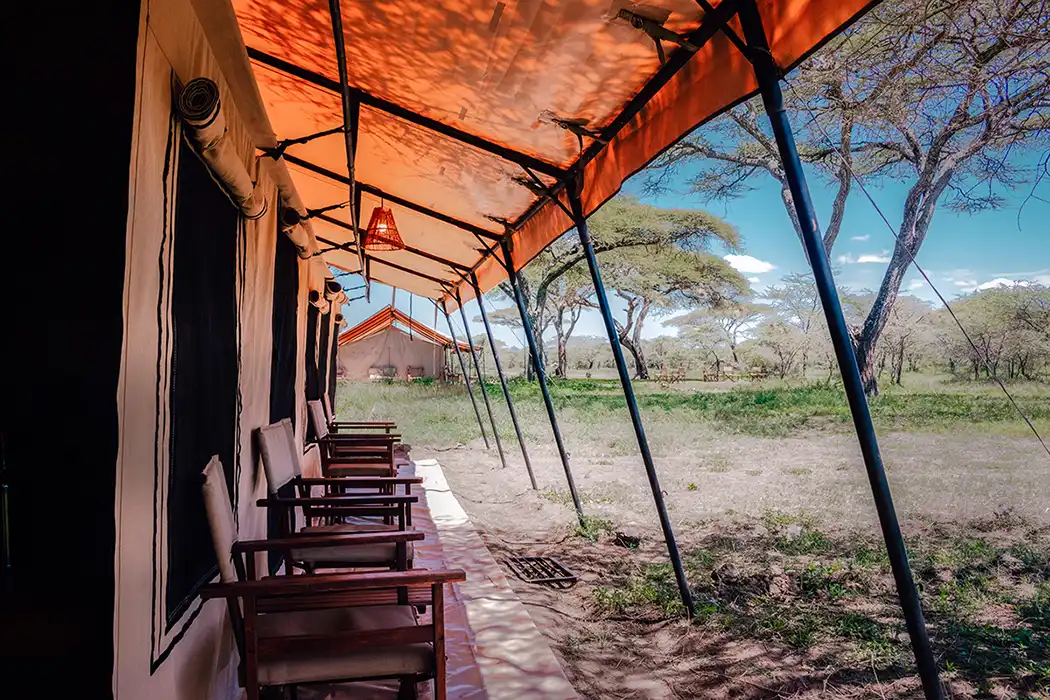
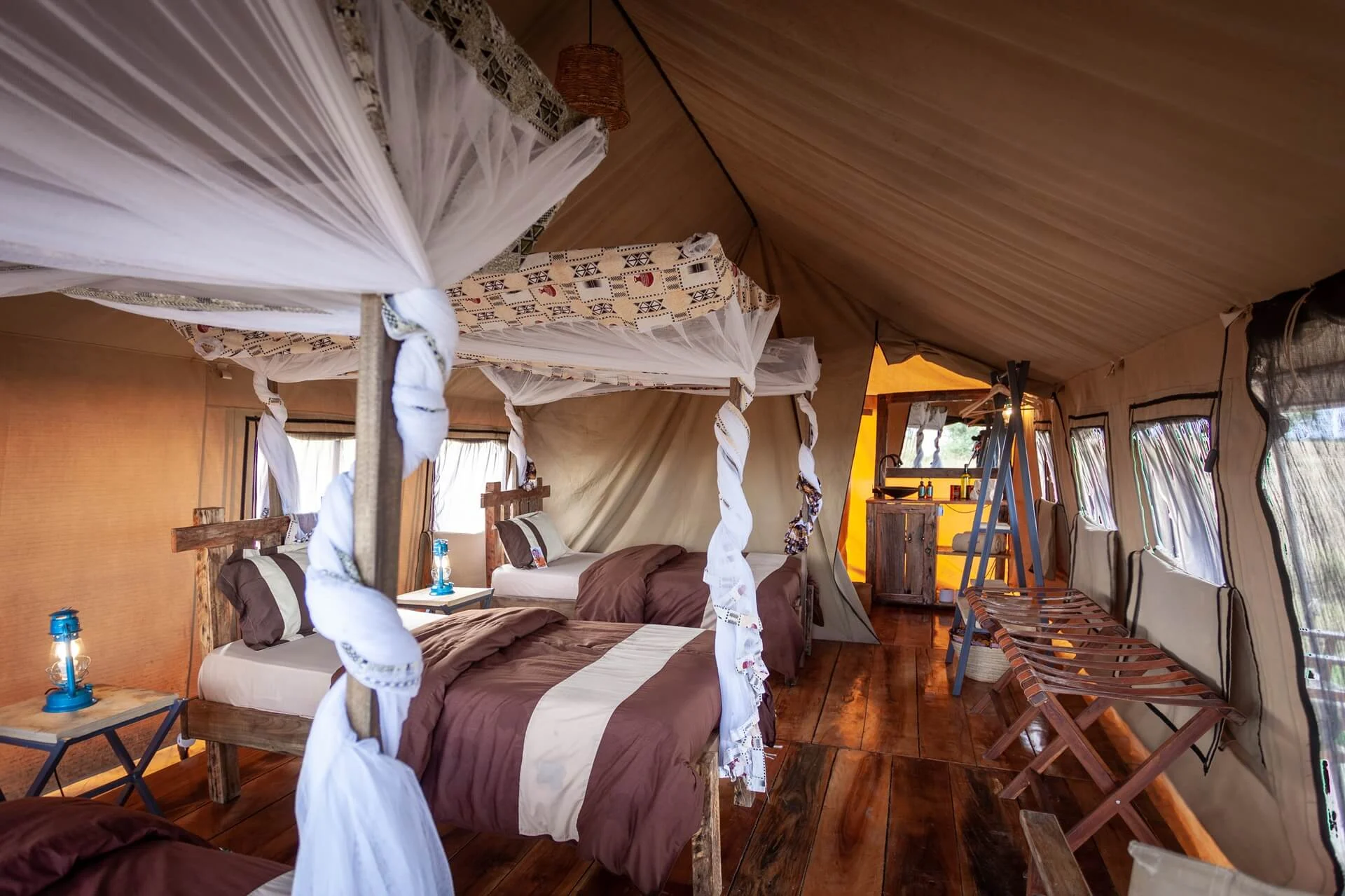
Kogatende is the arrival point to discuss for Gnu Mara River Camp. Seronera is the published airstrip for Mawe Tented Camp in the central-eastern region. A flight to one does not put you at the other camp.
In the southern plains, Ndutu needs its own date and camp check. Gnu Ndutu Camp operates seasonally. Booking an airstrip in the wider Serengeti area is not enough to establish that the correct camp is open or nearby.
A regional flight can reduce a long journey between camps, but changing bases still takes time. With a very short stay, remaining longer in one suitable area may give you more wildlife time than splitting the visit between several camps. The flight decision should come after that question.
How to compare the total cost
Driving is not always the cheaper option for every party, and flying is not always the more expensive complete trip. Guest numbers, the route and the ground services make the difference.
Vehicle and guiding costs can spread across several people in a private road booking. Airline seats generally add a cost for each passenger. That can make the flight comparison different for two guests and six guests, even when they want the same camps.
However, a long road route can require more guiding days, extra camp or hotel nights and additional transfers. A flight may replace some of those services. Compare the revised itinerary totals rather than adding the ticket to a road trip that has not changed.
| Cost to compare | Road plan | Flight-based plan |
|---|---|---|
| Guiding and vehicle | Check every driving and transfer day | Check game drives and pickups after landing |
| Accommodation | Include all nights needed by the road sequence | Include nights needed by the flight schedule |
| Air tickets | None unless a flight forms part of the route | Exact seats or charter service quoted |
| Transfers | Starting point, camp changes and final drop-off | Departure airport plus each airstrip pickup and return |
| Park charges | Match the actual parks, days and route | Match the actual parks, days and route |
| Changes | Vehicle and room cancellation conditions | Airline conditions as well as the ground booking |
Ask whether a vehicle has to return or reposition after you fly onward. The operator may have logistics that are not obvious from your own passenger journey. The quote should explain the total rather than promise that one flight automatically removes every road cost.
The Tanzania safari cost guide helps identify the main components. Use the same dates, rooms and guest numbers in both versions so the comparison stays useful.
Baggage, cameras and comfort
Flights introduce airline baggage rules. Check the total allowance, permitted bag type and treatment of camera equipment on the actual service. Do not use another carrier’s policy as a promise for your ticket.
Photographers should mention large lenses and other heavy equipment before ticketing. A camera bag may count within the total allowance rather than receive a separate allowance. Extra luggage arrangements need confirmation before you reach the departure airport.
On a road safari, storage space still has limits, especially with several guests. The safari packing list can help reduce the amount you carry. A smaller bag also makes repeated camp changes easier.
Flying may avoid a rough road transfer, but a small aircraft brings different comfort and boarding considerations. Ask about steps, assistance and the seating arrangement if these affect you. The transfer vehicle and route between airstrip and camp also remain part of the day.
Private guiding after you land
A flight ticket does not reserve a game-drive vehicle. A camp package may use scheduled shared drives, or you may arrange a vehicle for your party. These are different services and should appear clearly in the proposal.
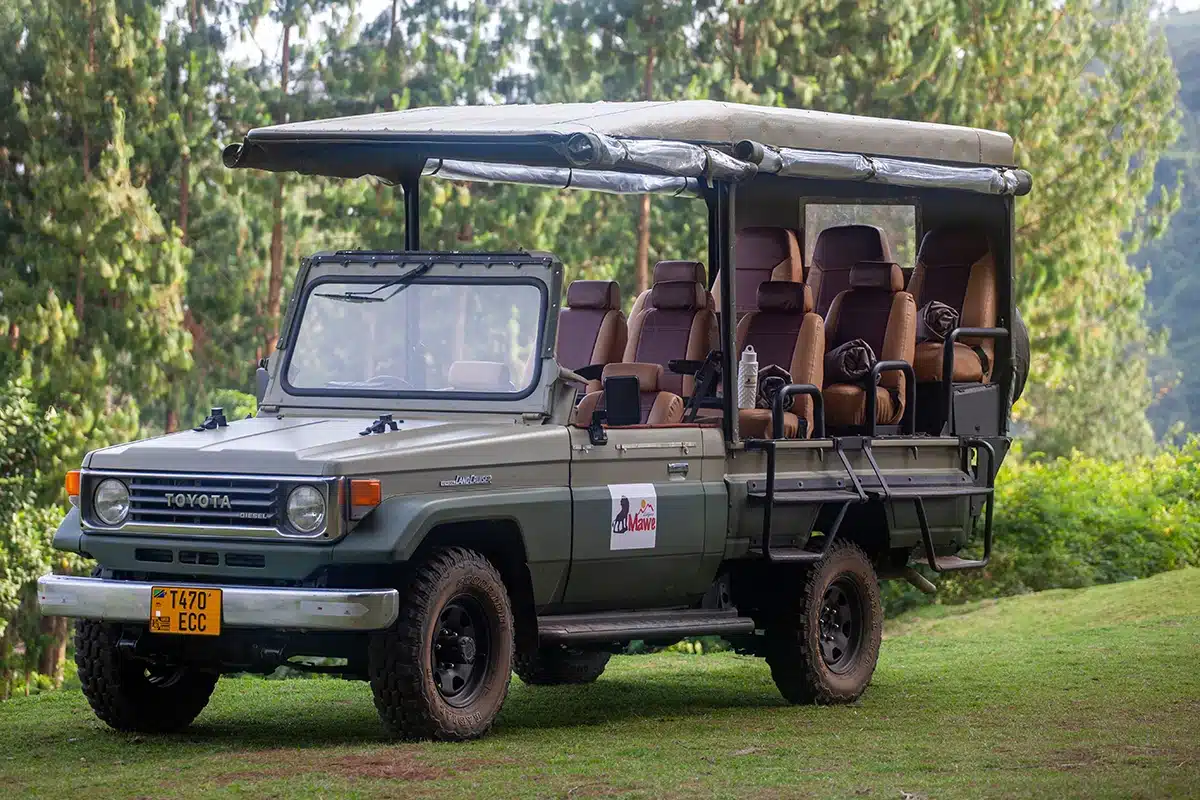
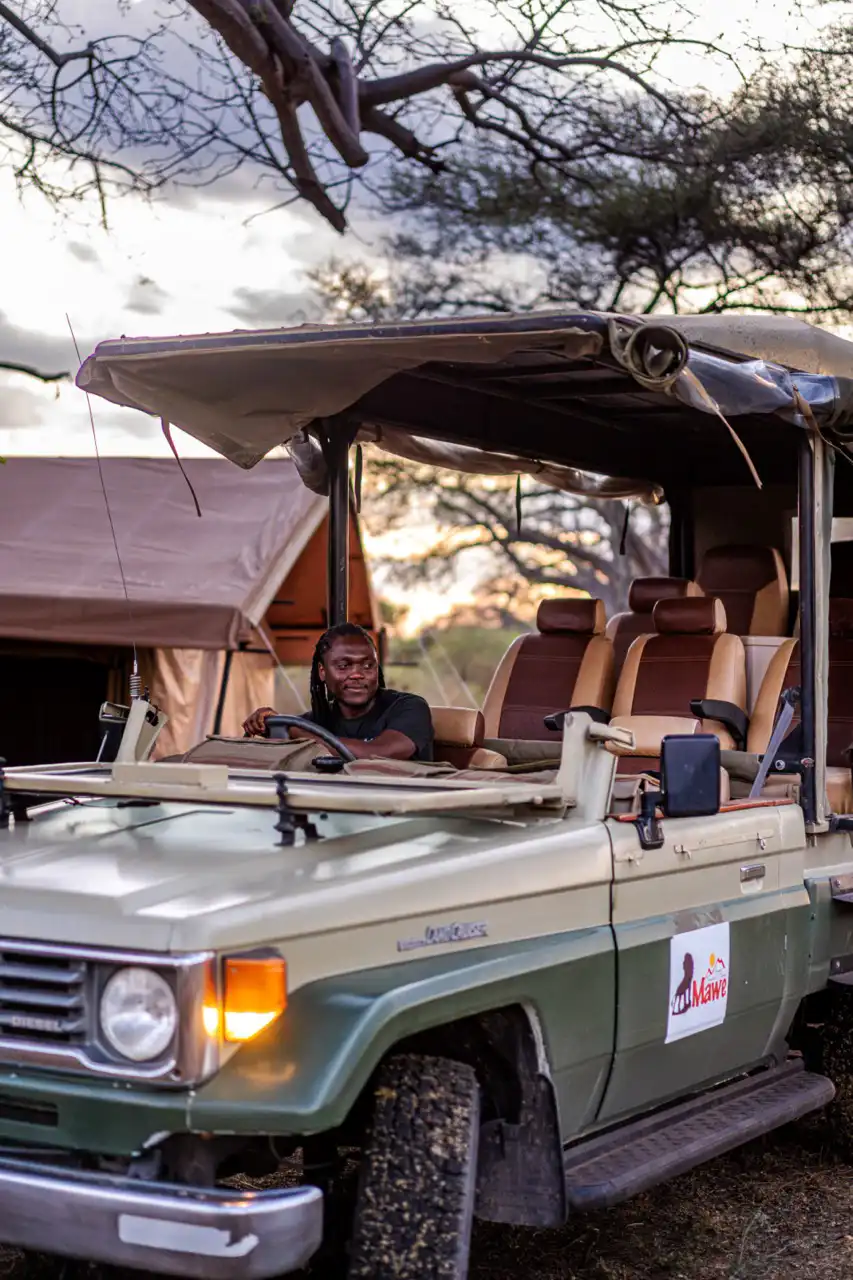
Mawe’s private safari arrangement gives your booking party a dedicated guide and vehicle. It does not give you private use of park roads or sightings. A scheduled flight can still carry passengers traveling to other camps.
If keeping the same guide matters, discuss it when choosing the route. A road itinerary and a sequence of regional flights can involve different staffing arrangements. The team should confirm who meets you after each landing and who guides the next part of the safari.
Rain, airstrip conditions and onward flights
Weather can affect both road and air travel. Rain may slow a transfer or change the usable track, while aircraft schedules and airstrip conditions can also change. A flight should not be sold as a way to remove every weather-related uncertainty.
For an international departure, allow time for the whole connection. Arusha Airport and Kilimanjaro International Airport are separate airports. The domestic flight’s arrival airport, road transfer and international check-in all need to agree.
A camp stay on the final night can give more room to respond to changes than a tightly connected departure day. The right buffer depends on the booked services and your tolerance for disruption. Ask the team to explain the options before you choose the shorter connection.
Keep airline and Mawe contact details available. If a flight changes, the ground pickup and camp timing need the revised information. Do not rely on a message reaching the driver through another passenger or an old timetable.
Driving in and flying out
A combined route can retain the northern road circuit and remove the repeated journey back. You can travel through Tarangire and Karatu, visit Ngorongoro, continue to Serengeti and use a flight for the departure leg.
That outline needs enough days for the places you include. It is not a reason to squeeze a long circuit into a short visit. The existing 10-day Tanzania safari shows how a flight departure can connect with a longer route.
Mawe Tented Camp uses Seronera arrival information, while Gnu Mara River Camp uses Kogatende. The final camp in your route should determine the departure arrangement, not whichever airstrip has the first fare you find.
The proposal should also show where the road service finishes. It needs to account for the guide, vehicle, final game drive and airstrip transfer as one sequence. A flight added after the itinerary is agreed can change more than the last line of the schedule.
Families, photographers and short visits
For a family, compare the complete travel day with your children’s needs. A flight can shorten a long road section, while driving gives you agreed stops along the way. Early starts, room changes and time in the game-drive vehicle remain relevant with either choice.
For photographers, a private vehicle and useful hours in the right wildlife area may matter more than the transport label. Account for baggage, camp position and the first and last usable drive. An additional airport transfer can reduce time available for a particular morning.
For a short first visit, choose the places before the transport. If the main goal is central Serengeti, a focused stay can work differently from a circuit through several parks. The route should answer your priorities without spending most of the trip between them.
Serengeti transport questions
Is flying always faster door to door?
No. A flight can reduce a long road journey, but airport access, check-in, intermediate stops and camp transfer add time. Compare the actual booked flight with the road sequence for the camps you intend to use.
Is driving always cheaper?
No. More guests can spread private vehicle costs, but a longer road route may need more nights and guiding days. Compare complete proposals with the same parks and room arrangements rather than a flight fare against fuel or a room rate alone.
Will a fly-in safari have a private guide?
Only when that is the arrangement you book. Check the ground service list separately from the airline ticket. A private tent, scheduled seat and shared game drive can all appear in one package unless the proposal states a different arrangement.
Can we drive one way and fly back?
Yes, Mawe can discuss a combined route. The final quote needs to connect the camps, guiding days and airstrip departure. Seronera, Kogatende and Ndutu support different parts of the safari, so the correct flight follows the chosen camp.
Plan your safari with Mawe Lodges
Send us your dates, guest numbers and the camps or parks you want to visit. Our team can explain the arrangements and prepare a quote.