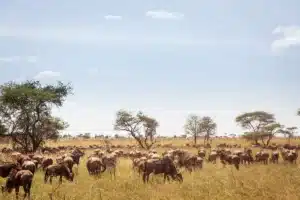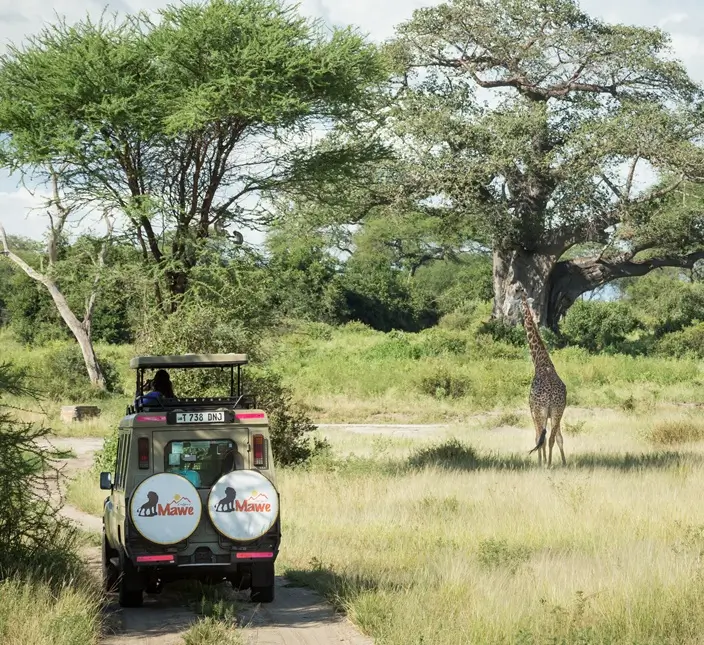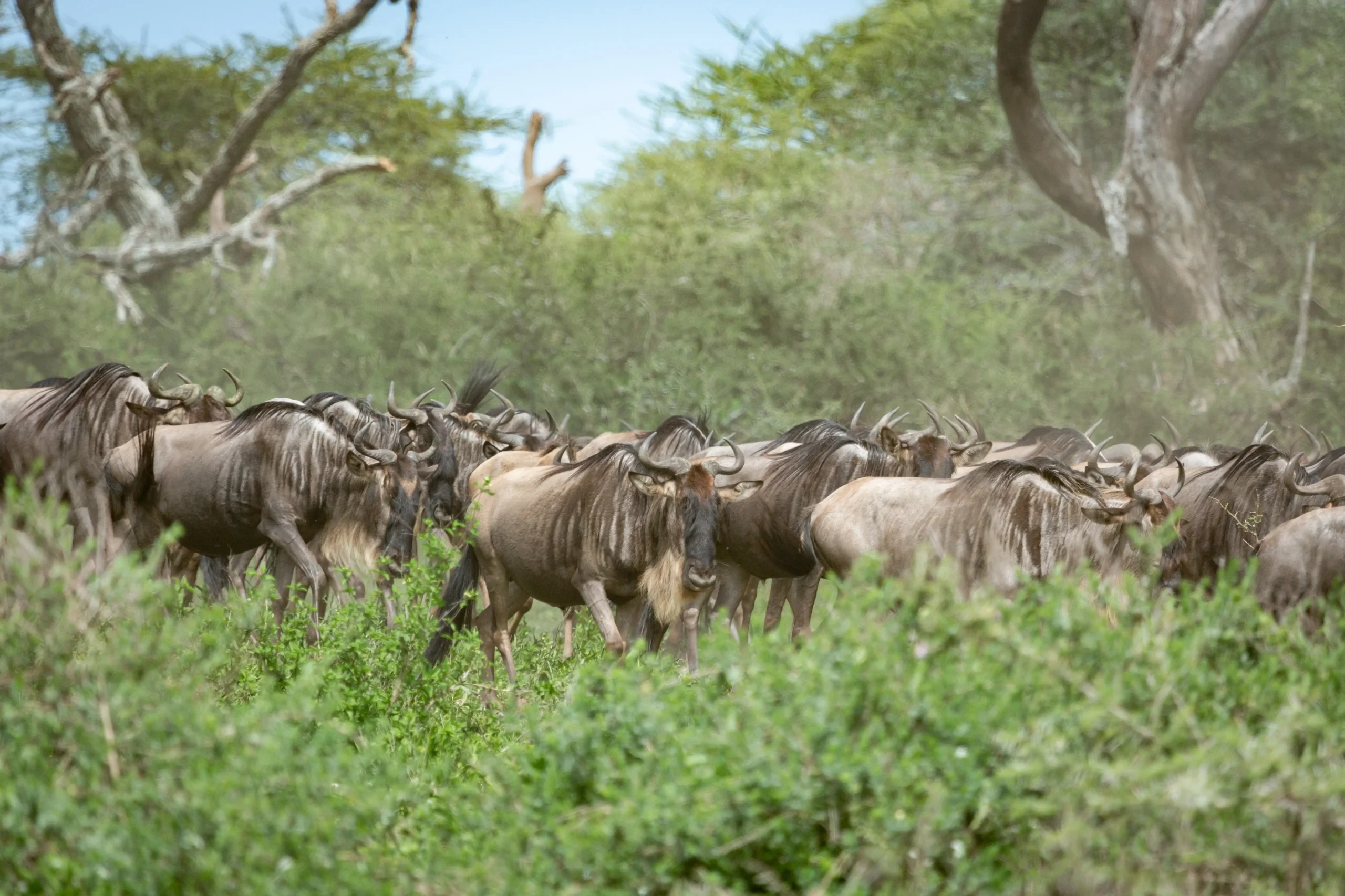
A Tanzania green season safari can give you greener vegetation, different wildlife conditions and lower accommodation prices on some dates. It also asks for more flexibility about weather and road travel. The useful question is whether those trade-offs suit the safari you want.
Not every greener month brings the same trip. The short rains, the southern calving period and the long rains have different implications for camps, routes and demand. A cheaper room is only helpful if the camp and wildlife area fit your dates.
What a Tanzania green season safari means
Green season is a travel-industry description rather than one fixed set of dates used by every camp. It generally refers to the wetter, greener part of the safari year. A rate sheet may divide that period into several price bands.
In northern Tanzania, the broad rainfall pattern includes short rains around October to December and long rains around March to May. The Tanzania Tourist Board’s climate information explains that regional pattern. The amount and timing of rain still vary between years and places.
For booking, use the dates on the specific camp’s rate sheet. A green-season article cannot tell you which rate applies to a particular holiday week or whether a seasonal camp is open. Those facts belong in the quotation for your stay.
Our best time to visit Tanzania guide compares the year in more detail. Here, the focus is the decision to accept greener conditions and the practical compromises that come with them.
Short rains and long rains are different trips
The short-rain period and the long rains should not be treated as one continuous weather forecast. Rainfall patterns differ, and a broad seasonal label does not describe every day at a camp.
The long rains can create greater problems for particular tracks and transfers. A flexible itinerary matters when a guide needs to use another route or spend longer reaching an area. Some seasonal camps are also closed, which changes where you can stay.
The southern calving period can bring strong demand for the right location. Greener plains do not automatically mean low visitor numbers or the lowest prices. If Ndutu is your reason for coming, compare the actual dates and camp availability rather than a general low-season claim.
The same distinction applies within Serengeti. Central, southern and northern areas have different reasons for a visit. The best time to visit Serengeti guide explains that regional choice without requiring you to assume the whole park has the same conditions.
Green season vs dry season safari trade-offs
| Decision | Greener conditions | Drier conditions |
|---|---|---|
| Wildlife viewing | More vegetation and water can spread animals across a wider area | Thinner vegetation or fewer water sources can make some searches easier |
| Roads | Rain may slow or change the route | Dust and rough surfaces can still affect comfort |
| Visitor numbers | Some dates are less busy; calving and holiday dates can differ | Popular periods and sightings can attract more vehicles |
| Prices | Some accommodation dates cost less | High-demand dates can cost more |
| Camp choice | Seasonal closures need checking | A different set of seasonal camps may be available |
| Photography | Greener backgrounds and changing light | Drier vegetation and different visibility |
These are planning tendencies, not guarantees for a particular day. A guide can adapt the route, but cannot promise rain only after dinner or an empty park because you chose a greener month.
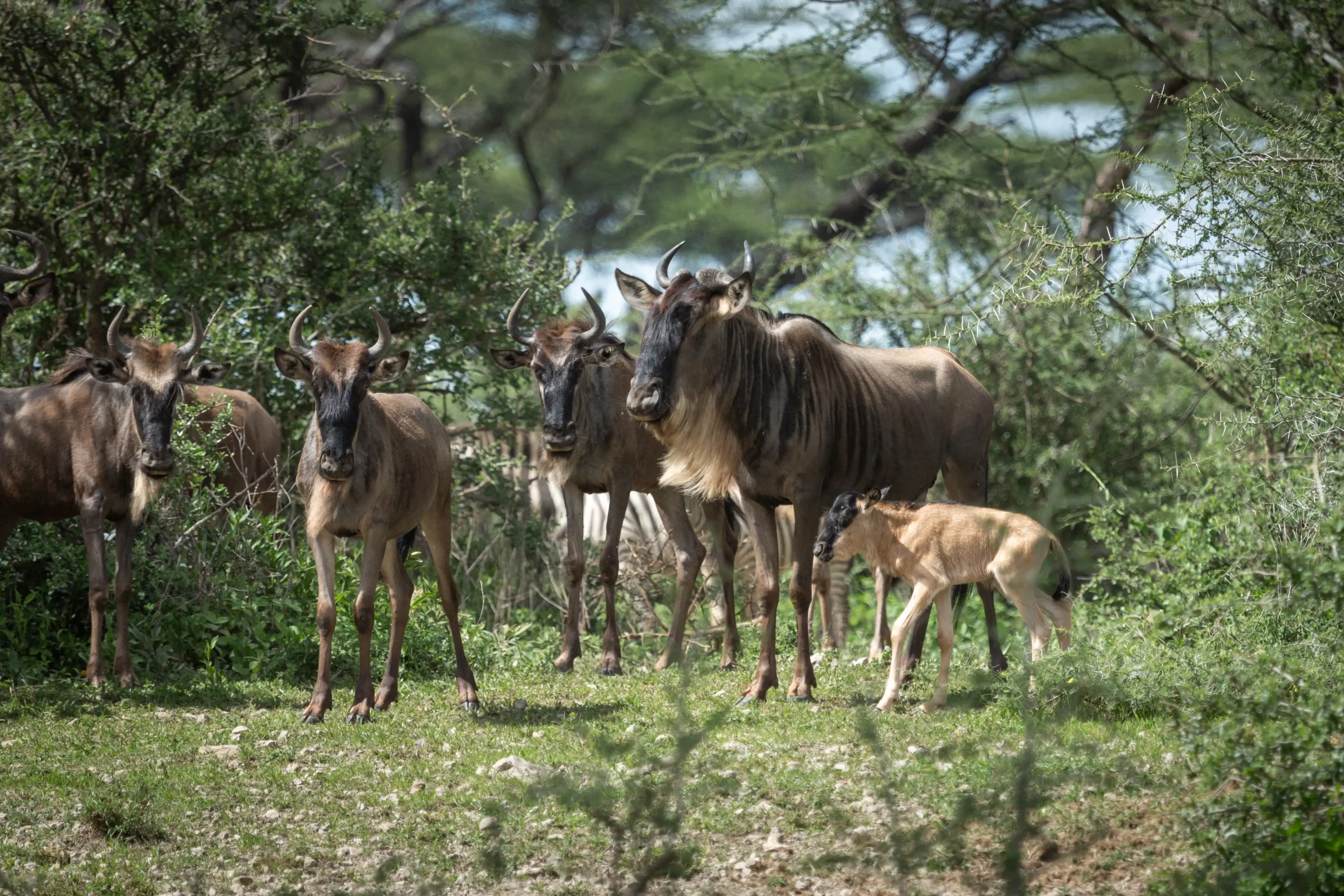
Wildlife without relying on a migration sighting
Mawe has year-round camps as well as seasonal migration camps. A green-season visit does not have to depend on following wildebeest.
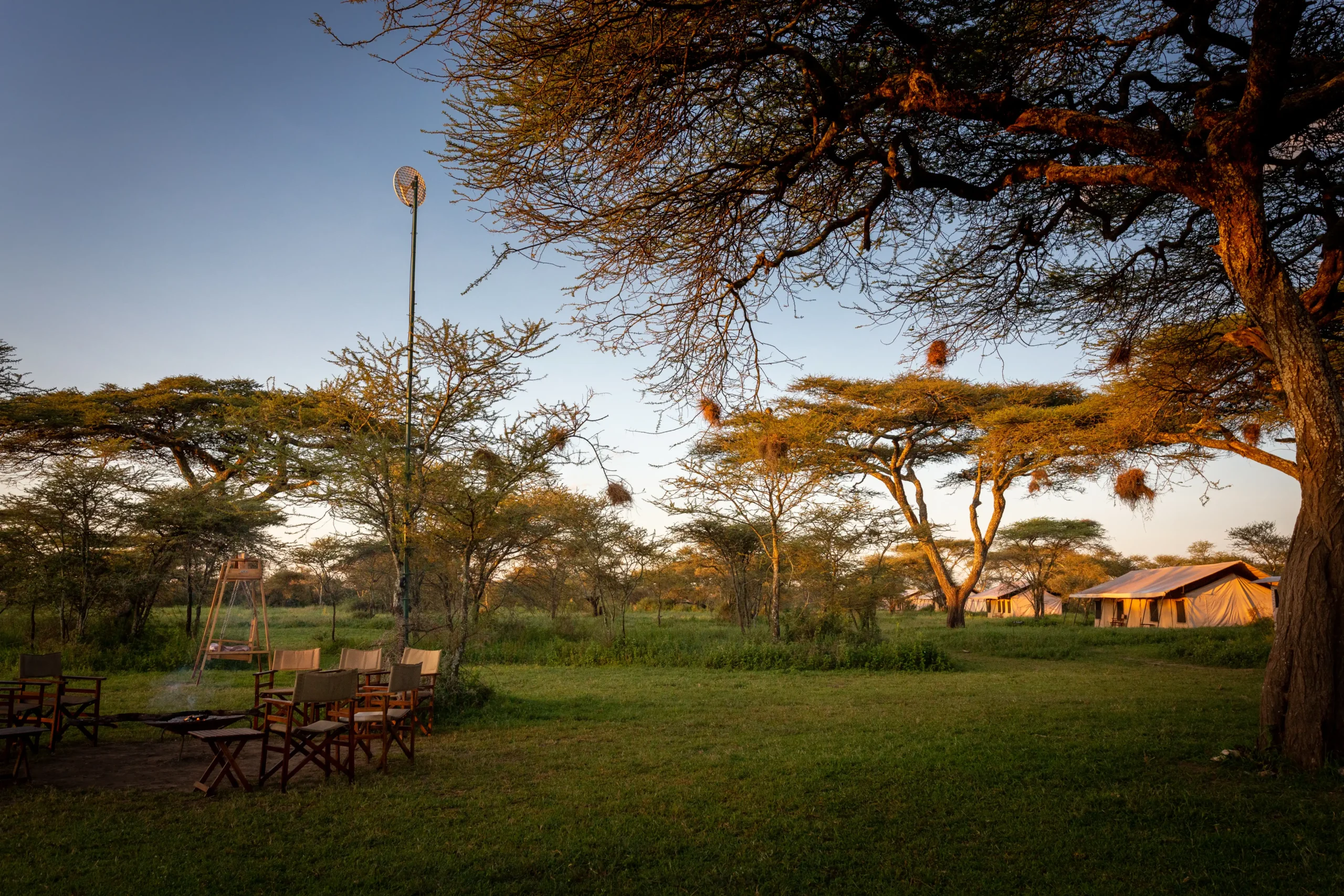
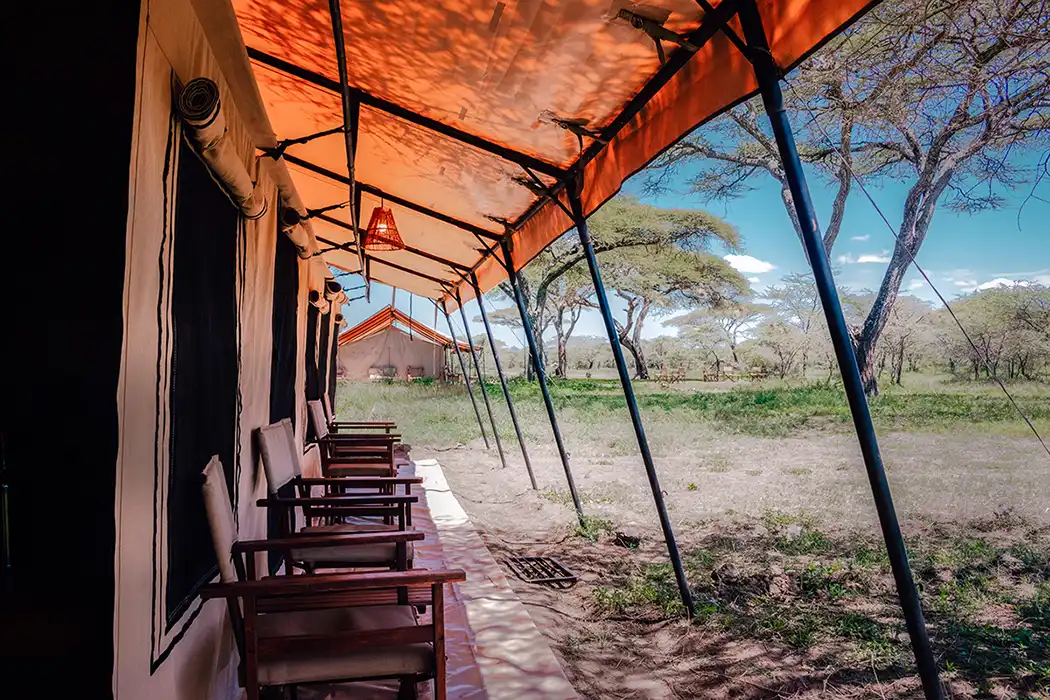
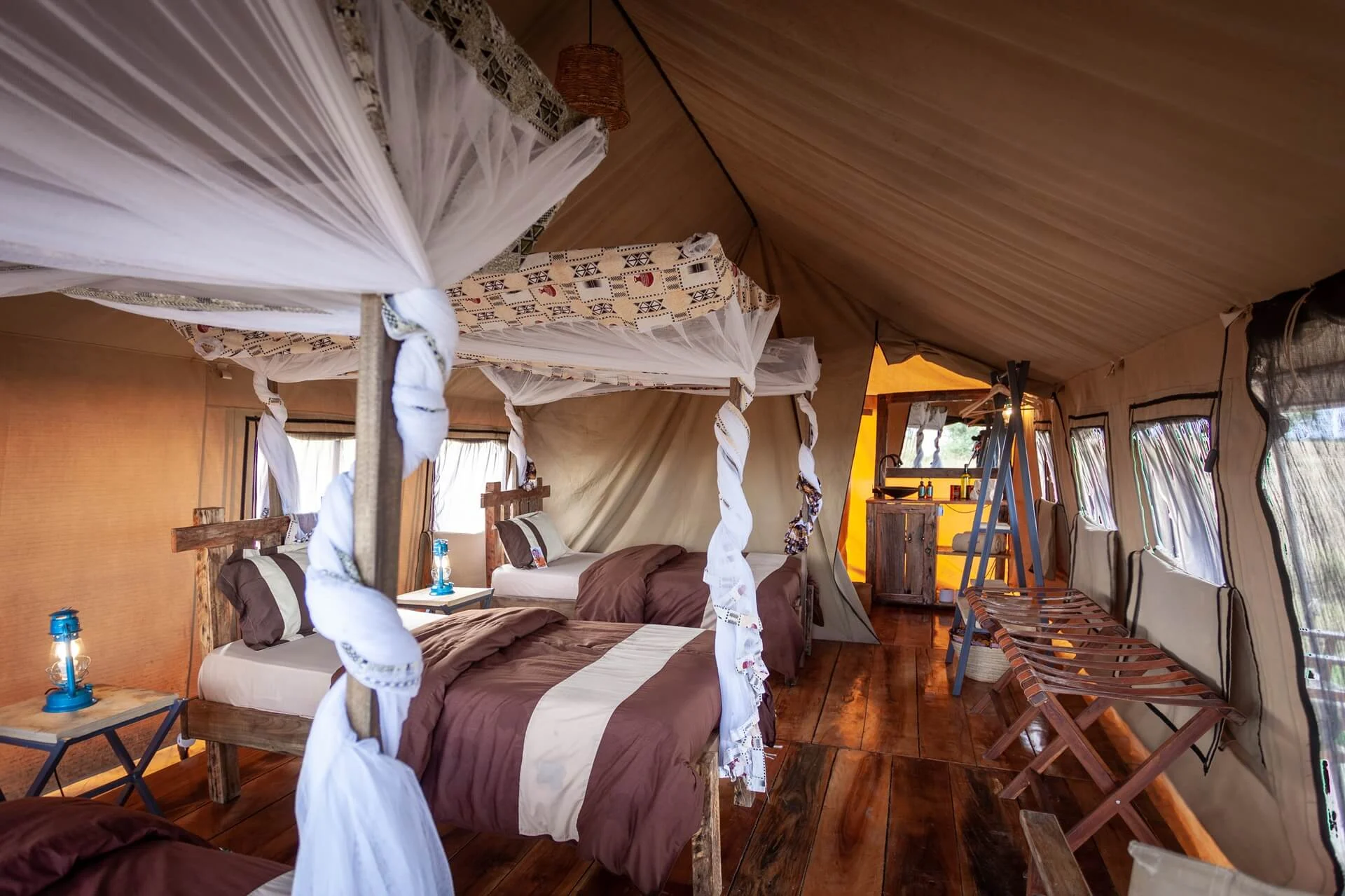
Mawe Tented Camp is a central-eastern Serengeti base for resident wildlife. The animals you can look for include lions, leopards and cheetahs. Their presence in the region gives the stay a purpose even when the migratory herds are elsewhere.
Baobab Tented Camp gives you a stay inside Tarangire. The park’s elephant and river habitats make it a different wildlife setting from the Serengeti plains. Current roads and sightings shape the day’s game drive.
From Karatu, Ngorongoro and Lake Manyara add other habitats to a route. Cultural visits and biking can also give you a different day where conditions and local arrangements suit them. A long list of activities is less useful than a few confirmed visits that fit your time.
Which Mawe camps fit the dates
| Property | Published operating period | Use in the planning decision |
|---|---|---|
| Mawe Tented Camp | Year-round | A central-eastern Serengeti base |
| Baobab Tented Camp | Year-round | A stay inside Tarangire |
| Karatu Tented Lodge | Year-round | A base for nearby parks and cultural visits |
| Gnu Ndutu Camp | Late December to 31 March | A seasonal southern-plains stay |
| Gnu Mara River Camp | 1 June to 15 November | A seasonal northern Serengeti stay |
Karatu Tented Lodge has a pool and ten cottages. It gives the route a base outside the parks, with different options from a camp deep inside a wildlife area.
For Gnu Ndutu Camp, the seasonal opening period is a booking condition as well as a wildlife consideration. Confirm the actual opening date if you plan a late-December arrival.
Gnu Mara River Camp has a different operating window. Its closure does not mean the northern Serengeti has no resident wildlife. It means that particular Mawe camp is unavailable outside the published season.
What lower rates do and do not change
A lower camp rate reduces the accommodation part of the trip. Flights, private guiding, vehicle use, authority charges and optional activities do not necessarily fall by the same proportion.
Compare the same rooms, guest numbers, nights and service list on both sets of dates. A percentage saving on one accommodation line is not the percentage saving on the complete safari. The Tanzania safari cost guide explains those separate components.
Also check what the lower price changes in practice. A closed seasonal camp may require a different region, and a longer road transfer may remove time you expected to spend watching animals. The cheaper proposal should still deliver the safari you want.
Rain, roads and a flexible itinerary
Leave space in the day for slower travel and a change of route. A guide may decide that another track is more sensible after rain. Avoid building the itinerary around a precise arrival time at every wildlife stop.
Protect camera equipment and keep a useful layer accessible. The safari packing list gives the wider preparation. You need clothes that suit the changing day rather than packing only for an idea of year-round tropical heat.
A flight can reduce a long road section, but it does not remove every weather-related risk. Flight schedules and airstrip conditions can also change. Keep onward connections realistic and make sure the reservations team has the information needed to coordinate revised arrivals.
If your group has limited tolerance for a delayed transfer, say so before booking. Flexibility can mean fewer camp changes, more time in a year-round base or another season. It should produce a different plan rather than remain a reassuring word in the itinerary.
Who should choose a different season?
If Mara River crossings are your main goal, plan for the appropriate northern season rather than choosing green-season dates on price alone. A lower room rate in another area cannot supply the same wildlife event.
A very short trip with a tight international connection leaves less room for disrupted travel. Guests who want more predictable road conditions may prefer another period or a simpler route. The same applies if one particular seasonal camp is essential to the booking.
For a visitor interested in resident animals and willing to adapt the days, greener conditions can be a useful option. The route should say where you will stay, what remains open and what happens if travel slows.
Green-season safari questions
Does green season mean rain all day?
No seasonal description can predict every day. Rainfall varies by period, region and year. Ask about the dates and camp area you are considering, and avoid a promise that rain always falls at a particular hour or never affects a game drive.
Are green-season safaris always cheaper?
No. Some accommodation dates cost less, while holiday periods, calving demand and other services can change the total. Compare complete quotes on the same basis. A low camp rate is only one part of a safari budget.
Can we see wildlife without the migration?
Yes. Resident wildlife gives the central Serengeti, Tarangire and the other northern-circuit parks their own reasons for a visit. Sightings still depend on the day. A route can focus on those areas without promising to follow migratory herds.
Is green season suitable for a first safari?
It can be, if the itinerary and your expectations fit the conditions. Discuss road comfort, camp availability and your main wildlife priorities. Mawe Tented Camp, Baobab Tented Camp and Karatu Tented Lodge have published year-round operations.
Plan your safari with Mawe Lodges
Send us your dates, guest numbers and the camps or parks you want to visit. Our team can explain the arrangements and prepare a quote.