Karatu is the highland town on the Rift Valley escarpment. You sleep here to reach four different places. The Ngorongoro Crater is thirty minutes from the gate and Lake Manyara twenty minutes down the hill. Lake Eyasi is forty five minutes away, and Tarangire about an hour on. It is a base, not a park, and that is what makes its timing question its own.
So when to visit Karatu depends on which of those you have come for. The short version is June to October for the crater at its clearest, and the driest, coolest highland days. November to May brings green hills and strong birding at Lake Manyara. It also brings thin crowds and the lowest rates of the year.
One thing separates Karatu from every park around it. It is outside the protected areas, so you pay no conservation fee simply to sleep here. Our escarpment lodge holds the lowest bed rates of any Mawe property. That changes the calendar in your favour, as the sections below explain.
When is the best time to visit Karatu?
The best time to visit Karatu is June to October. That is the window for the Ngorongoro Crater and open game viewing. The highland weather is dry and cool, and the roads out to every neighbour are firm. Come between November and May for the escarpment and the coffee farms at their greenest. Those months also bring the best birding at Lake Manyara, far fewer vehicles, and the cheapest weeks of the year.
| What you have come for | When to come | The trade-off |
|---|---|---|
| The crater and open game viewing | June to October | Peak rates, more vehicles in the crater |
| Green hills and coffee country | November to May | Some heavy afternoon rain, softer roads |
| Birding at Lake Manyara and Lake Eyasi | November to April | Long rains in April and May |
| The lowest rates and quiet lodges | March to June, November to mid December | You plan around the rain |
| Cultural walks at Lake Eyasi | June to October | Busiest and driest, book the walk ahead |
Everything below sets out why each window works the way it does.
Why Karatu has no single best season
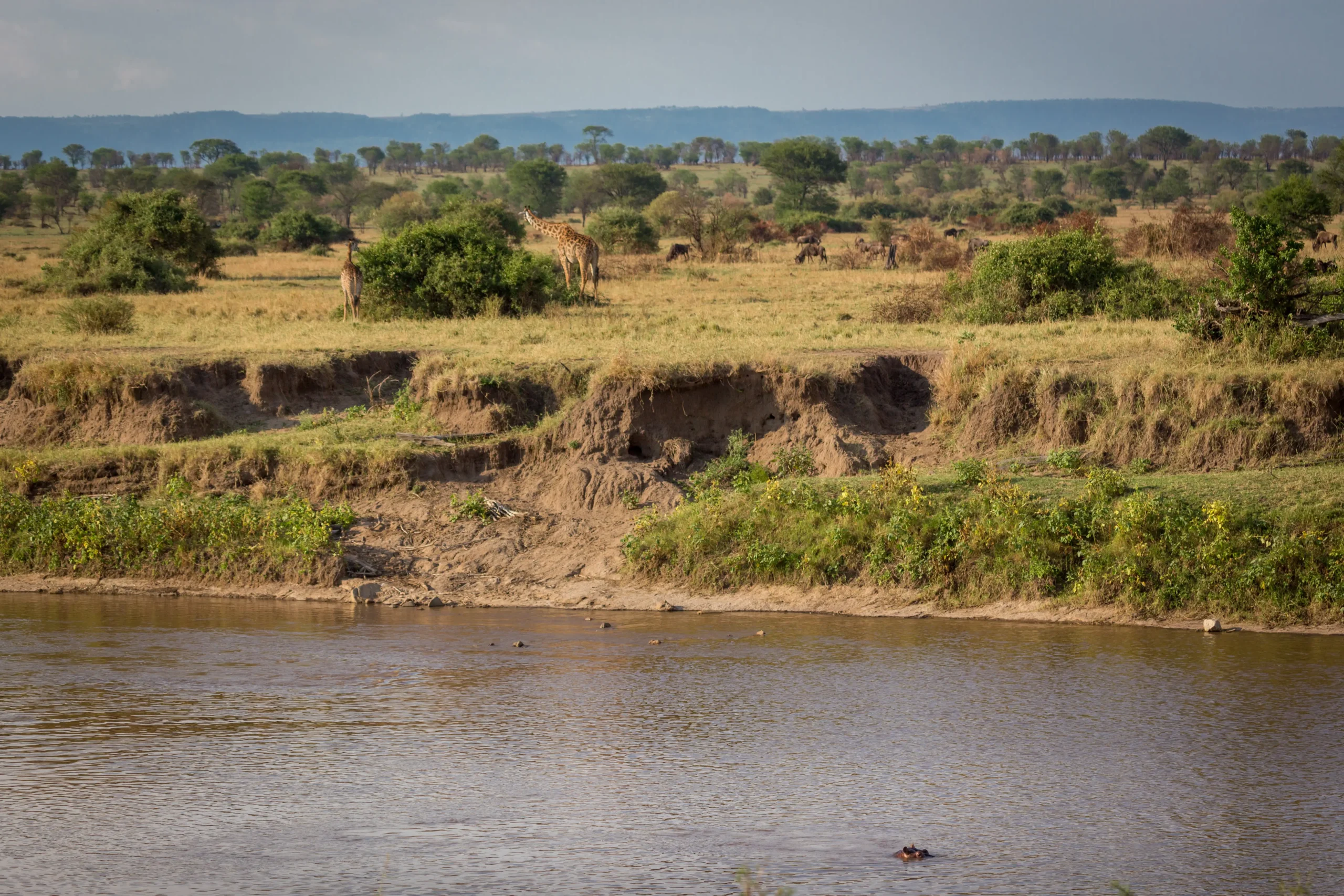
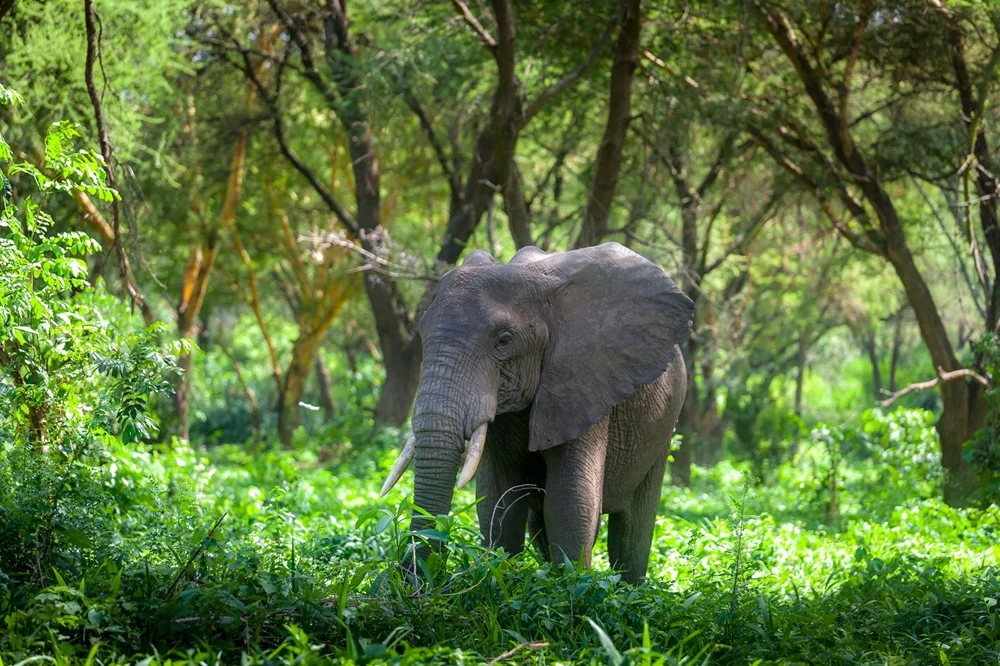
A park has one clock. Its animals concentrate or disperse, and the timing question follows the wildlife. Karatu has no gate and no resident herds, so it runs on several clocks at once. Twenty minutes away, Lake Manyara peaks for birds in the green months. Thirty minutes up the road, the Ngorongoro Crater holds its game all year but drives best when the tracks are dry. Forty five minutes off, the walks with Hadzabe hunters and Datoga blacksmiths at Lake Eyasi are easiest to reach when the road is hard. An hour on, Tarangire fills with elephants as the dry season deepens.
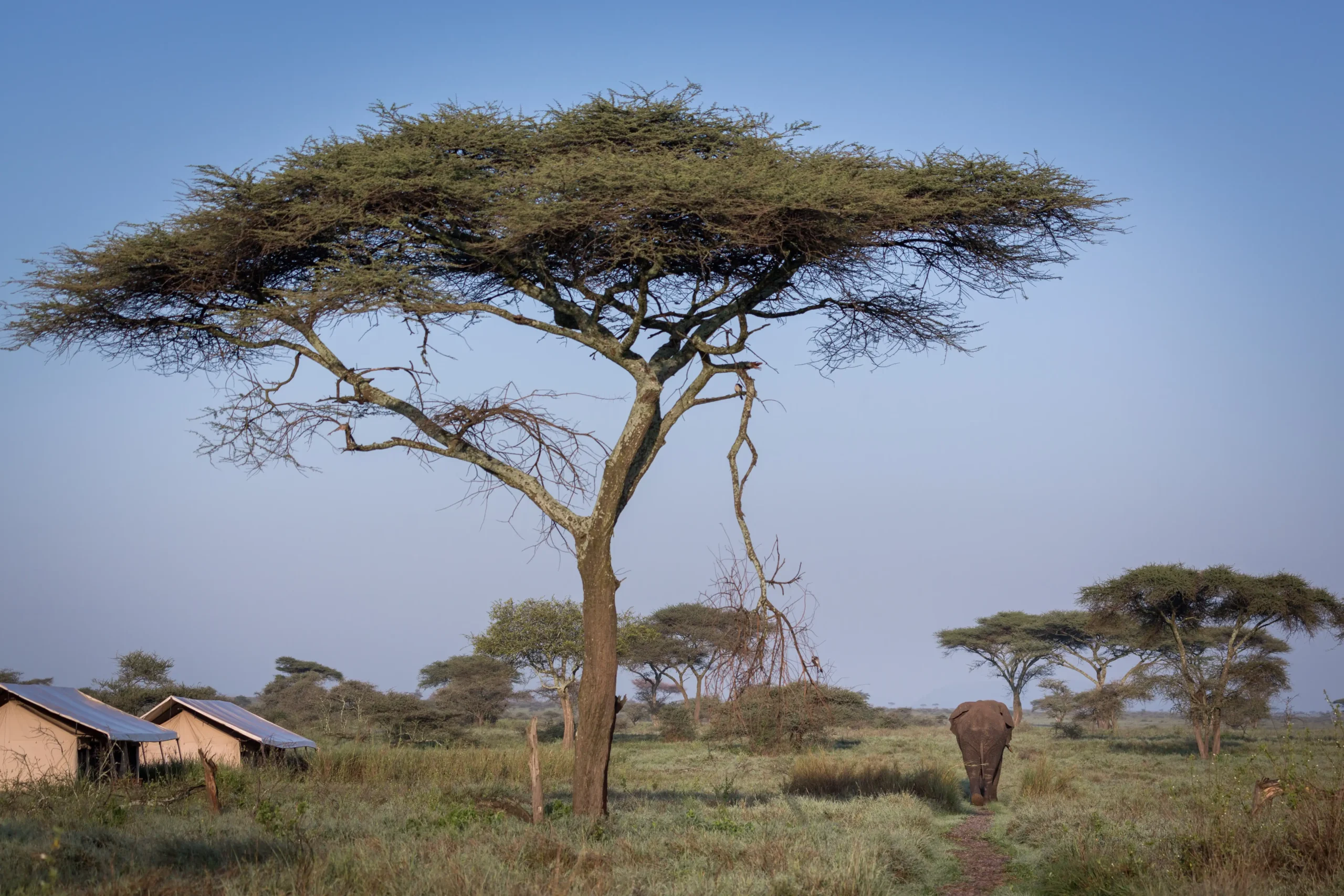
Stacked on top of those is Karatu’s own highland weather and its coffee calendar. The town is farming country on the escarpment, higher and cooler than the parks below. Red soil and coffee estates run up the slopes toward Oldeani. When you ask when to visit Karatu, you are really asking when the mix of those things lines up for the trip you want. For most people that points to two windows, and the honest answer is that both are good for different reasons.
Karatu dry season (June to October)
The Karatu dry season is the peak safari window. It is the strongest time to visit for a first trip built around the crater. Days are cool and clear on the escarpment, nights are cold, and rain is rare. The tracks into the Ngorongoro Crater and the road down to Lake Manyara are firm. The unpaved route out to Lake Eyasi is at its most reliable, which matters if the cultural walks are on your list.
This is also harvest time on the coffee slopes, so an estate tour from town shows the most from July onward. The northern highland game viewing is at its best around you, with Tarangire filling out as the land dries. The cost of all this is company and price. June to October is when the crater is busiest and when lodge rates reach their peak, so book Karatu Tented Lodge and your crater day well ahead.
Karatu green season (November to May)
The Karatu green season covers two separate rains. According to the Tanzania Meteorological Authority, northern Tanzania has short rains, the Vuli, around November and December. The long rains, the Masika, run from March to May, with April and May the wettest weeks. Short rains arrive as brief afternoon storms that clear quickly, while the long rains are heavier and steadier.
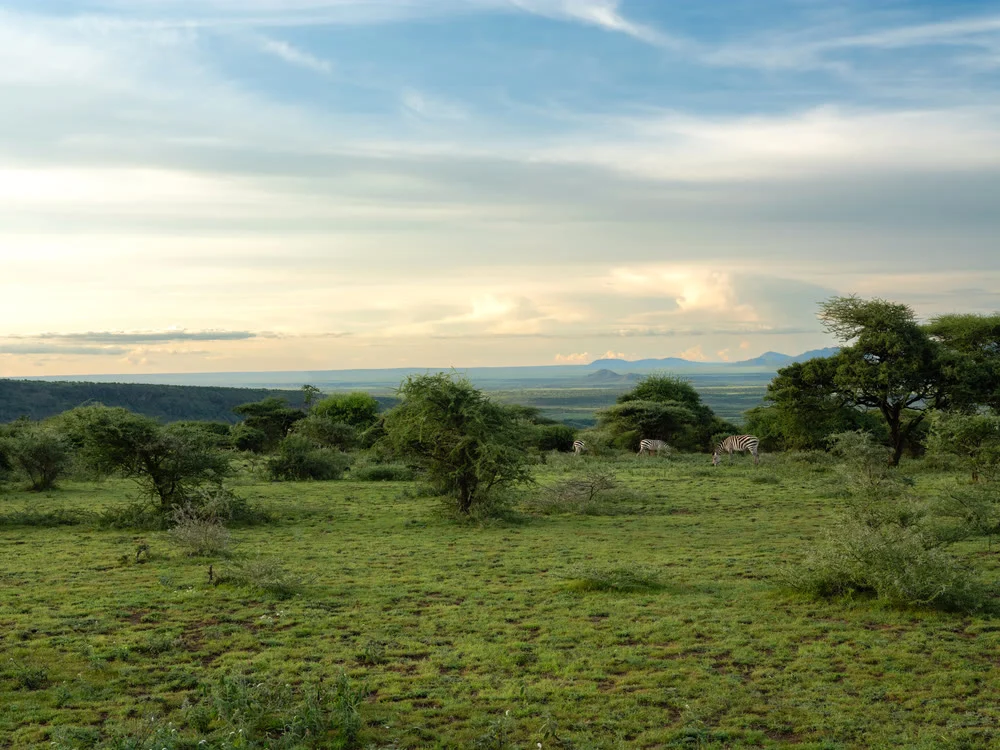
For a green-season traveller the reward is real. The escarpment and the coffee farms turn deep green. Lake Manyara is at its best for birds as the migrants arrive. The Ngorongoro Crater holds far fewer vehicles than in July, and rates fall to their lowest of the year. The caveat is the road. In the long rains the unpaved track down to Lake Eyasi gets heavy going. So do some of the village and bicycle routes. If the Hadzabe walks are the point of your trip, weigh November to March over April and May. The crater itself drives well in the green months, because its main descent roads are maintained.
The coffee harvest, and the best time for a coffee estate tour
Karatu is coffee country, with arabica estates on the slopes toward Oldeani. A coffee tour is one of the few things here that has a season of its own. Arabica in the northern Tanzanian highlands is picked between July and December, with the heaviest picking in the dry months. That means a coffee estate tour from town is at its most active from July onward. You can watch the cherries come off the trees, then be pulped and set out to dry. In quieter months you only walk the rows.
It is a happy overlap. The busiest harvest weeks fall inside the same dry window that suits the crater. So in July, August or September, a morning at the coffee estate and an afternoon on the escarpment need no trade-off. Outside the harvest you can still tour a farm and see planting, pruning and sorting, just not the picking itself.
The best time for day trips from Karatu
Karatu earns its keep as a base. The practical question is when each neighbour is at its best from your door. A day in the Ngorongoro Crater works all year and is easiest in the dry months from June to October. Lake Manyara is a green-season pick, strongest for birds and its groundwater forest from November to April. Lake Eyasi and its cultural walks are best in the dry season, June to October, when the road holds and the mornings are clear. Tarangire is an hour off and comes into its own from June as the elephants gather, which makes a Karatu base a sensible way to pair it with the crater.
For a fuller picture, our game drives and day trips page sets out what each costs and how long it takes. If you are choosing between the two closest parks, the comparison of Tarangire or Lake Manyara covers that call.
When Karatu is at its cheapest
Because Karatu is outside the parks, you pay no conservation fee to sleep here, unlike a night inside the Ngorongoro or Tarangire gates. That already makes the escarpment the most economical base on the northern circuit. On top of it, our own bed rates move with the calendar, and the low band is the cheapest stretch of the year.
| Season | Dates | Per person, per night, full board |
|---|---|---|
| Low | 1 March to 30 June, 1 November to 21 December | $118 |
| High | 6 January to 28 February | $130 |
| Peak | 1 July to 31 October, 22 December to 5 January | $144 |
Rates are per person sharing a double or twin, full board. They exclude park and crater fees, game drives and transfers. The lowest weeks, then, are March to June and November to mid December, when a green-season stay and the low rate land together. The lodge is permanent and open all year, so the low band is a real option, not a closed season.
Karatu weather by month
This is highland country, higher and cooler than the parks on the valley floor. Timing here leans on the calendar more than the thermometer. The pattern is two dry stretches and two wet ones. June to October is dry and cool, with cold nights on the escarpment. The short rains fall around November and December, and the long rains from March to May, per the Tanzania Meteorological Authority, with April and May the wettest.
There is no official weather station table for Karatu itself. So we do not publish a month-by-month temperature grid rather than repeat figures we cannot source. What holds year round is that this is escarpment air: expect warm days and genuinely cool evenings, and pack a layer whatever the month.
Month by month in Karatu
| Month | What it is like, and which neighbour is best |
|---|---|
| January | Warm, mostly dry between the rains. Good all-round month, crater and Manyara both open |
| February | The driest of the green months. Quiet lodges, strong for Manyara birding |
| March | Long rains begin late in the month. Green, cheap, softer roads to Eyasi |
| April | Wettest month. Fewest visitors and lowest rates, best for birds, hardest on the Eyasi road |
| May | Long rains ease through the month. Green and quiet, crater still drives well |
| June | Drying out. The dry season begins, roads firming, rates rising toward peak |
| July | Dry, cool, clear. Coffee harvest under way, crater and Eyasi both at their best |
| August | Peak dry season. Busiest crater days, coldest nights, book ahead |
| September | Dry and clear, strong all round for the crater, Eyasi walks and coffee |
| October | The end of the dry run, warm and dusty, Tarangire filling with elephants |
| November | Short rains arrive as afternoon storms. Green returning, rates dropping |
| December | Short rains taper by month end. Quiet before the festive peak from the 22nd |
The best time to visit Karatu, in short
The best time to visit Karatu is June to October. That window gives the Ngorongoro Crater, clear cool days and the coffee harvest. November to May brings green hills, the best birding at Lake Manyara and the lowest rates. Because Karatu is a base outside the parks, no single season wins outright. Pick the window that suits the trip you have come to do, and the escarpment will suit it.
Frequently asked questions
Choosing your month
Costs, nights and day trips
Karatu asks you to pick your window rather than handing you one. The useful thing is that its cheapest base is also its greenest. For the wider picture, our best time to visit Tanzania guide sets the national calendar. The best time to visit the Serengeti page covers the migration side of the same year.