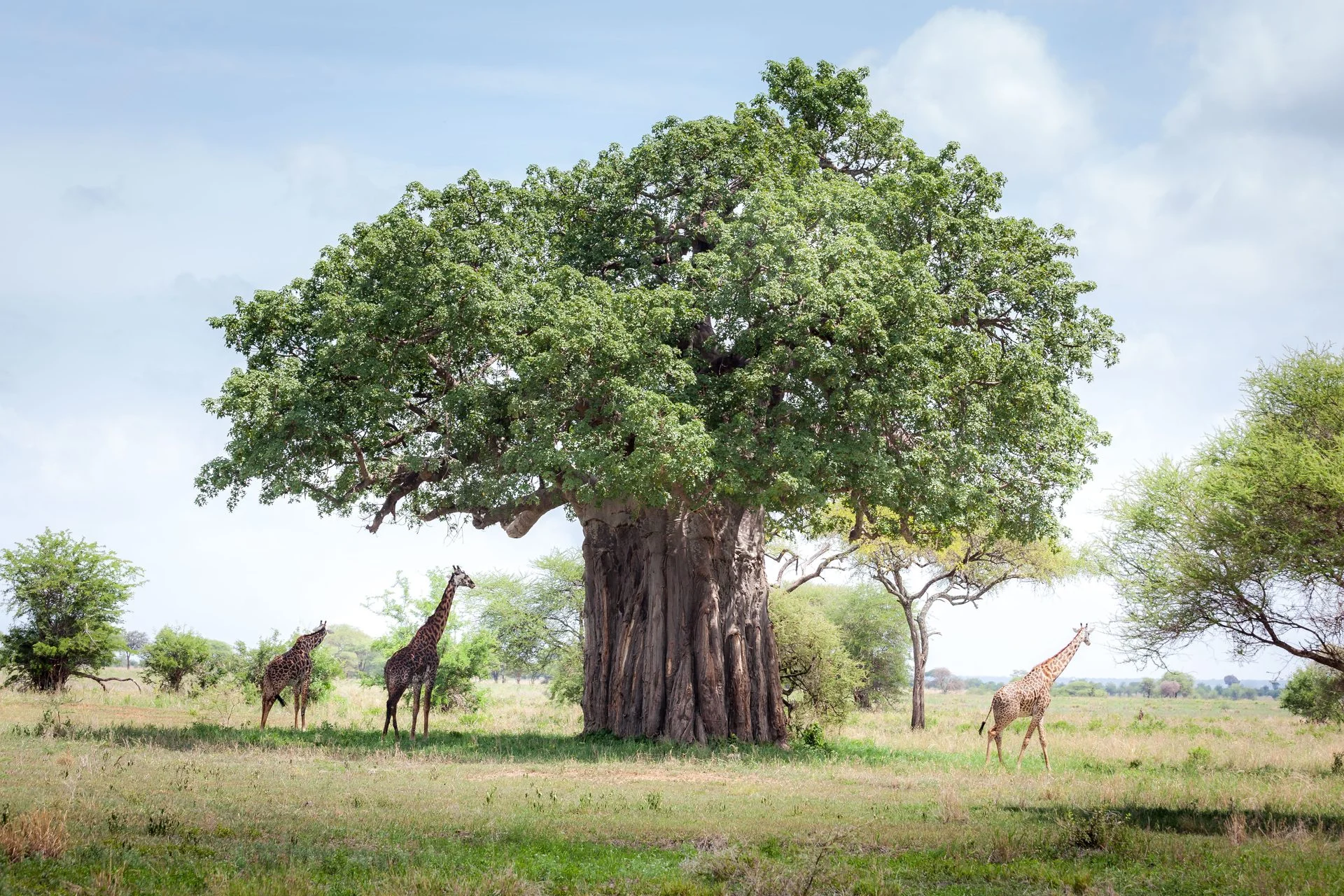
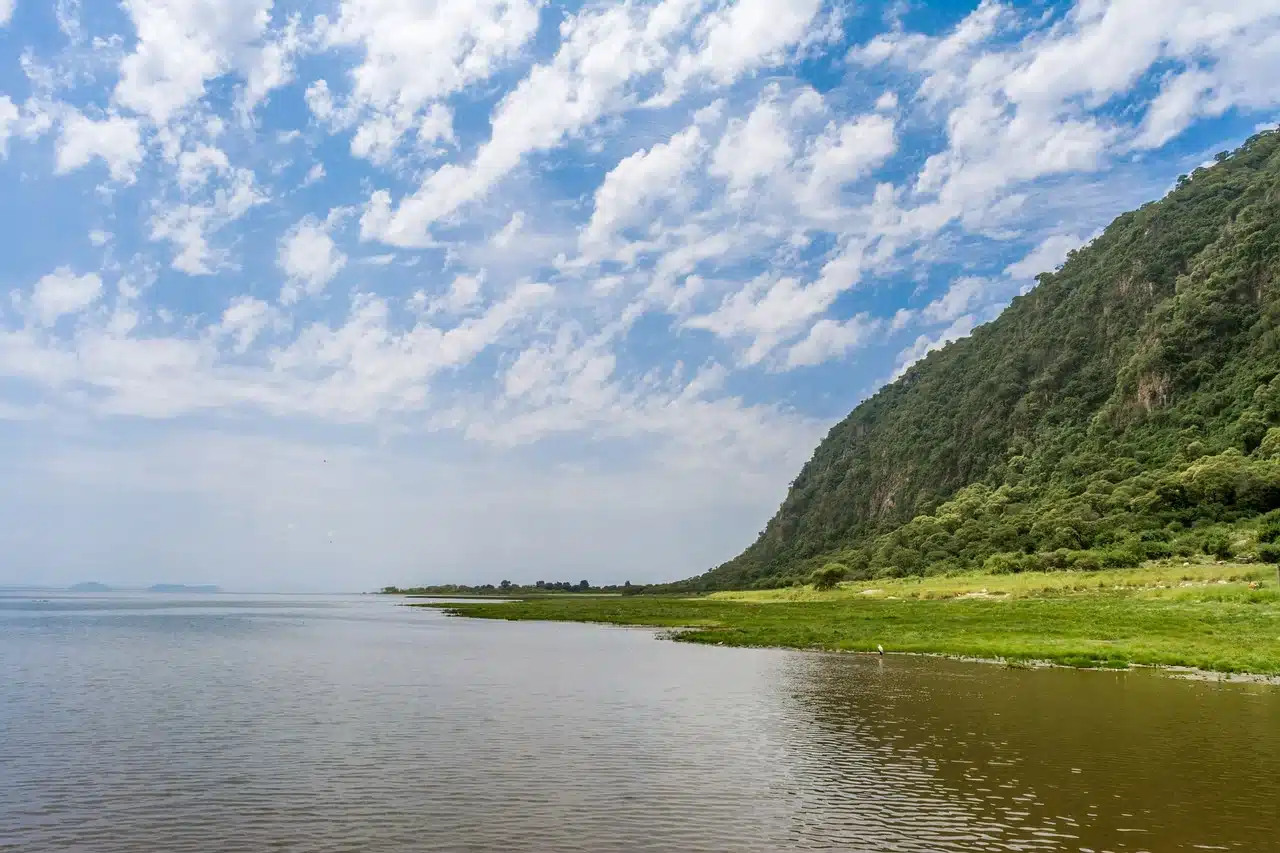
The lake covers close to two-thirds of this park, so the water level decides more of your trip here than in any of the drier parks nearby. When the rains fill the shallow soda lake, the flamingos and the birds arrive. When the country dries out from June, the animals come to the water and the groundwater forest opens up for game viewing.
That gives you two different visits. If you came for flamingos and birds, aim for the green months. If you came for elephants, buffalo and the chance of a lion in a tree, aim for the dry ones. So the best time to visit Lake Manyara depends on which of the two you came for, and September is the month that gets closest to both.
Our nearest base, Karatu Tented Lodge, is about 20 minutes from the park gate and takes bookings in every month, so the calendar below is about what you will see, not whether you can stay.
When is the best time to visit Lake Manyara?
June to October for the clearest game viewing, and September if you only get one month. By then the country has been dry long enough to draw the animals to the lake and the forest, and the short rains have not started. Pick a different window only if flamingos, birds or price matter more to you than game viewing.
| If you want | Go | What it costs you |
|---|---|---|
| The best all-round visit | June to October | Peak bed rates, and the busiest roads on the circuit |
| One month, the strongest of them | September | Peak rates, and dust on the forest tracks |
| The most flamingos on the lake | November to May | Rain most afternoons, and animals harder to find |
| The best birding | November to April | Long grass, and game spread out |
| Green country for photography | January to March | Showers, and warm, humid days |
| The lowest prices | April and May | The wettest weeks of the year |
| The emptiest park | April and May | Mud on the tracks, and long grass |
| A chance at the tree-climbing lions | June to October | No guarantee in any month |
Lake Manyara seasons explained
Northern Tanzania has two wet seasons, not one. The Tanzania Meteorological Authority places the region in the bimodal rainfall group. The long rains, Masika, fall from March to May, and the short rains, Vuli, from about November to December. Everything on this page turns on where a month falls between those two.
Peak months
Lake Manyara dry season (June to October)
The Lake Manyara dry season is the strongest half of the year for game viewing. Water dries up across the wider country, so elephants, buffalo, giraffes and zebras concentrate near the lake and in the groundwater forest. The grass drops, the bush thins, and the tracks firm up, which makes animals easier to spot and the drive easier.
This is also when you have the best chance at the tree-climbing lions, because there is less cover to hide them. Days are warm and mostly clear, and nights are mild at this low altitude.
You pay for it in two ways. Bed rates across the Karatu highlands move to their peak band, and the park is at its busiest, since most northern-circuit trips run in these months.
Green season
Lake Manyara green season (November to May)
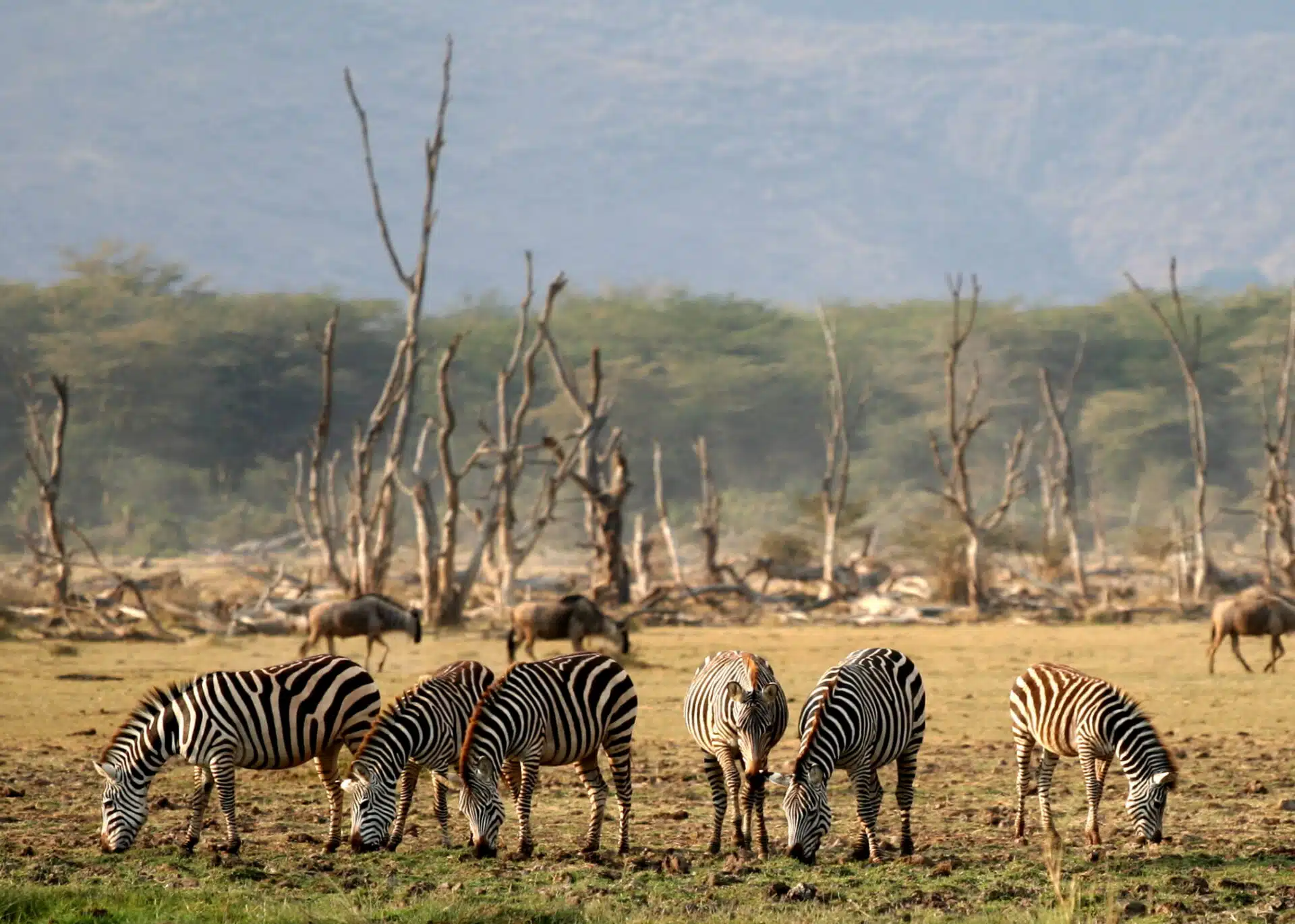
The Lake Manyara green season is the wet half of the year, and it is a different park. The short rains arrive from about November, and the long rains follow from March to May, with April the wettest stretch. Rain usually comes as an afternoon storm and clears, so your morning drive is rarely lost to it.
The lake fills, and the flamingos and migratory birds arrive with the water. The forest and the floodplain turn green, which is the reason photographers pick these months.
The trade is that the animals spread out once there is water everywhere, so you drive further to find them, and the smaller game disappears into long grass. January and February give you a warmer, drier gap between the two rains.
Best month to visit Lake Manyara, month by month
The best month to visit Lake Manyara changes with what you want to see. Each month gives you something different.
January in Lake Manyara
Warm and green, in the drier gap between the two rains. Resident birds are active, the migratory birds are still around, and afternoon showers are possible rather than constant.
February in Lake Manyara
Much like January, warm and mostly green with scattered showers. Fewer vehicles than the dry months, and good light for photography in the forest.
March in Lake Manyara
The long rains usually begin. The country greens up fast, birding is strong, and prices start to soften as the crowds thin out.
April in Lake Manyara
The wettest month of the year. Some tracks turn to mud and game viewing is at its hardest, but this is the emptiest and cheapest the park gets, and the flamingo numbers can be high.
May in Lake Manyara
The long rains taper off through the month. The park stays empty and green, prices stay low, and by late May the tracks begin to dry.
June in Lake Manyara
The dry season begins. The ground firms up, the grass starts to drop, and the animals begin moving back toward the water, all before the peak rates start.
July in Lake Manyara
Dry, warm days and easier game viewing. One of the busier months, as it falls in the main northern-circuit season.
August in Lake Manyara
The bush is thin and the animals are concentrated near the lake and the forest. Strong game viewing, and one of the peak months for both crowds and rates.
September in Lake Manyara
The month that balances the most. Dry conditions, animals concentrated, good light, and the short rains still weeks away. This is the single best month if you only get one.
October in Lake Manyara
Still dry and still strong for game viewing, though the first storms can arrive late in the month. Warm, and the tail end of the peak season.
November in Lake Manyara
The short rains usually break. The country greens up, the migratory birds return, and rates drop from the peak band before the holiday period.
December in Lake Manyara
Green and warm, with short afternoon rains. Game viewing is spread out, but birding is good, and the park is busy again over the Christmas and New Year holidays.
Best time to see wildlife in Lake Manyara
For game viewing, the best time to visit Lake Manyara is June to October. That stretch is the Lake Manyara wildlife viewing season, and the reason is water. Once the wider country dries out, elephants, buffalo, giraffes, zebras and impala stay near the lake and the groundwater forest, so you cover less ground to find them. Short grass and thin bush do the rest.
The park has large elephant herds, hippos in the pools, and troops of olive baboons and blue monkeys through the forest. Leopards are here but elusive in any month. A single game drive can move from forest to floodplain to lakeshore in a morning, which is part of why the park works as a half-day or full-day stop.
Best time to see the tree-climbing lions in Lake Manyara
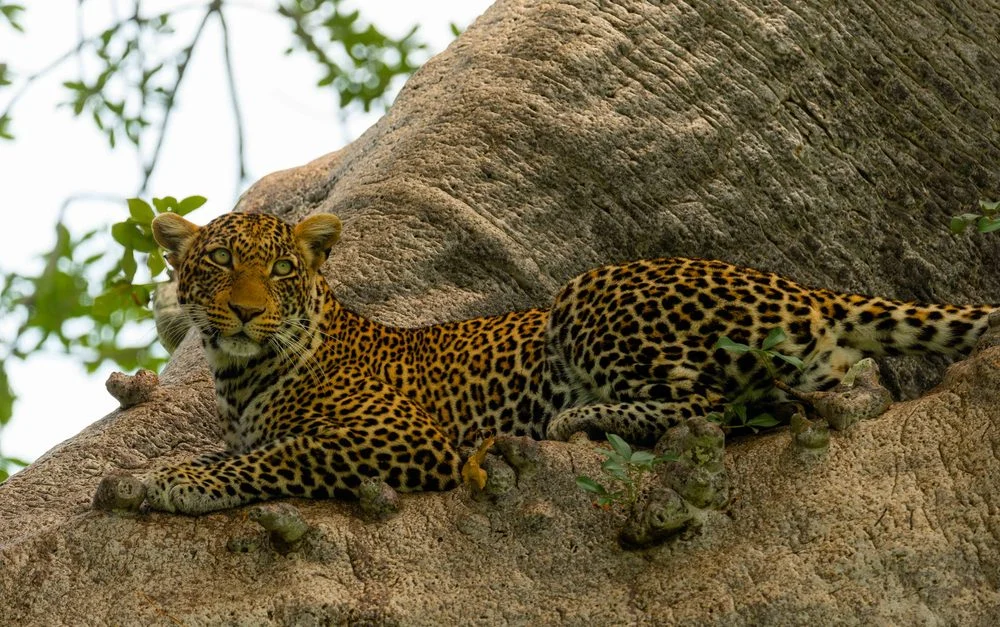
There is no month that guarantees the tree-climbing lions, so do not build a whole trip around them. Your chances are best in the dry season, June to October, when there is less cover and the lions are easier to pick out resting in the acacias.
Nobody fully agrees on why the Lake Manyara lions climb. The usual explanations are shade, cooler air off the ground, and getting clear of biting insects. What matters for timing is visibility, and thinner dry-season bush is what gives you the best odds. Treat a sighting as a bonus, not the plan.
Best time to see flamingos at Lake Manyara
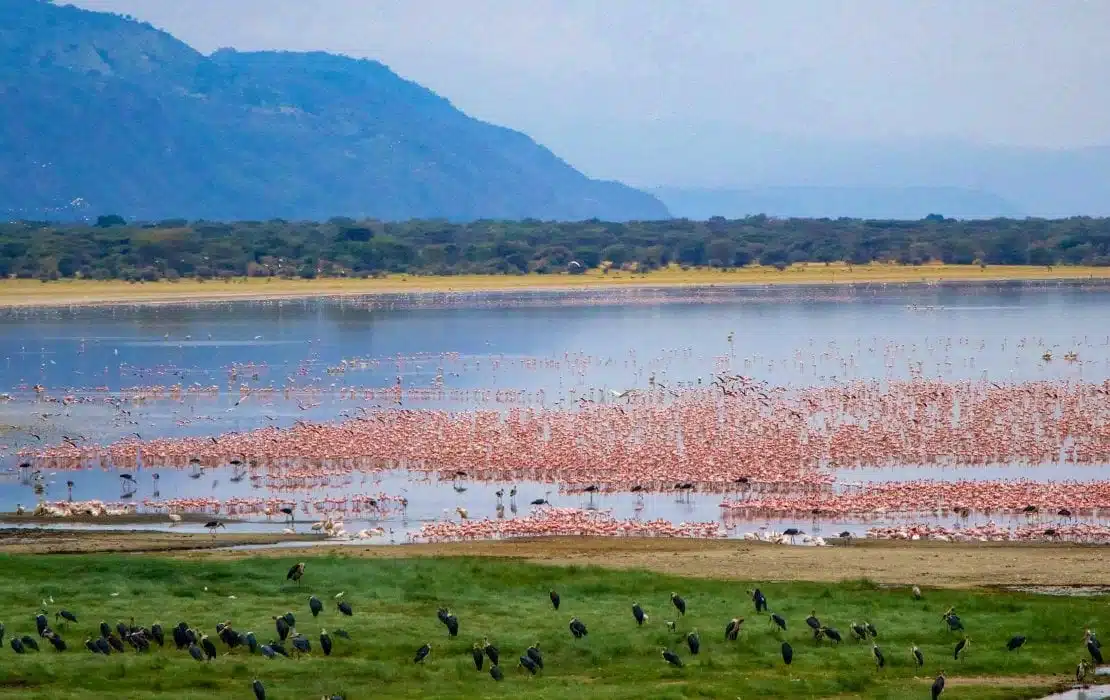
The Lake Manyara flamingo season is roughly November to May, when the rains fill the shallow soda lake. Flamingos feed on the algae that grows as the water rises, so their numbers climb through the wet months and hold while the lake is full.
Both greater and lesser flamingos gather here, sometimes in large flocks along the lake edge. Numbers change from year to year with the rains and the water level, so no month is fixed, but the wet season and the weeks just after it are your best bet.
Best time for bird watching in Lake Manyara
The Lake Manyara bird watching season is November to April. The park has more than 350 recorded bird species, and the wet months add the migratory birds to the residents that are here all year.
The mix of habitats is what makes the birding strong. The groundwater forest, the acacia woodland, the floodplain and the alkaline lake each hold different species, so a single day can turn up a long list. If birds are the main reason for your trip, pair Manyara with nearby Lake Eyasi, which adds a different set again.
Weather
Lake Manyara weather by month
The park is at the foot of the Rift Valley escarpment, lower and warmer than the crater highlands, so the temperature stays fairly even and rainfall is what changes.
| Month | Rainfall | Conditions | Good for |
|---|---|---|---|
| January | Low to moderate | Warm, green | Birding, photography |
| February | Low to moderate | Warm, green | Birding, fewer vehicles |
| March | Rising | Wet, green | Birds, lower prices |
| April | High | Wettest, muddy | Empty park, low prices |
| May | Moderate | Green, mild | Empty park, low prices |
| June | Low | Dry, mild nights | Game viewing |
| July | Low | Dry, warm | Game viewing |
| August | Low | Dry, warm | Game viewing, lions |
| September | Low | Dry, warm | Best all-round |
| October | Low, late storms | Dry, warm | Game viewing |
| November | Rising | Green, short rains | Birds returning |
| December | Moderate | Green, warm | Birding, festive season |
Seasonal pattern from the Tanzania Meteorological Authority, which places northern Tanzania in the bimodal rainfall zone. Checked 8 September 2026.
Lowest price
Cheapest months to visit Lake Manyara
The cheapest months to visit Lake Manyara are April and May, at the height of the long rains, with March close behind. Lodge rates across the Karatu highlands drop to their low band in the green season, so the same room costs less than it does from July to October. The exception is the Christmas and New Year holiday period, when rates rise again for a few weeks in the middle of the green season.
Park entry fees are the same in every month, so the season changes what you pay for a bed and a vehicle, not what you pay to enter. The current entry figures are on the Lake Manyara National Park guide. You trade the low green-season price against muddier tracks and game that takes longer to find.
Least crowded time to visit Lake Manyara
The least crowded time to visit Lake Manyara is April and May, followed by the short-rains weeks of November before the holidays. These are the wet months, so you share the park with few other vehicles and you get the green country and the birds. What you give up is easy game viewing, since the animals are spread out and some tracks are wet.
If you want thin crowds without the heaviest rain, take early June or late November. The peak season has firmed up or not yet arrived, and the roads are emptier than they will be in July and August.
Best time to combine Lake Manyara with other parks
Most trips take Manyara as a half-day or full-day stop on the way between Tarangire, the Ngorongoro Crater and the Serengeti, so the practical question is which window suits the whole route. June to October is the one stretch that works for every park on the northern circuit.
| Park | Best months |
|---|---|
| Lake Manyara | June to October |
| Tarangire | July to October |
| Ngorongoro Crater | June to October |
| Serengeti | June to October, and January to March in the south |
For the parks either side of Manyara, see the best time to visit the Serengeti and the wider best time to visit Tanzania. The Serengeti’s second window, January to March, is the calving season in the south, which is why it follows the Great Migration rather than the dry-season pattern. If you are choosing between the two closest parks, the Tarangire or Lake Manyara comparison sets them side by side, and the Ngorongoro Crater and Tarangire National Park pages cover each in full. The Serengeti rounds out the circuit.
How the season changes your Lake Manyara visit
The season changes four things here, and they pull in different directions. Game viewing is easier in the dry months, because water and thin bush concentrate the animals. Birding and flamingos are better in the wet months, because the lake fills and the migrants arrive. Prices are lowest in the green season, outside the holidays. Crowds are thinnest in the wettest weeks.
So there is no single best time to visit Lake Manyara, only the right month for your trip. Game first, come June to October. Birds and flamingos, or a lower price, come November to May. September is the closest thing to a month that does both.
Frequently asked questions
Choosing your month
Wildlife, and how long to stay
The park is open every month, entry fees do not change with the season, and Karatu Tented Lodge is about 20 minutes from the gate. To plan the trip around one of these windows, see our Tanzania safari itineraries or send an enquiry.